How to Choosea PestController in Australia
How to choose — Choose pest controller — to choose a pest controller in Australia, verify their state pest-management licence, confirm current public...
To choose pest controller services in Australia, do four checks: verify the state pest-management licence, confirm current public liability insurance, compare independent reviews, and demand a written scope, warranty and APVMA-registered products before booking. Those basics quickly separate reliable operators from the cowboys who give the trade a bad name.
A pest controller is a licensed professional who inspects, treats and helps prevent pest infestations in homes and businesses using approved methods and products registered with the Australian Pesticides and Veterinary Medicines Authority. A good one explains what they will treat and why; a poor one leans on scare tactics and vague promises. Taking twenty minutes to vet a company protects both your home and your money — and in a country with termites in nearly every postcode, that vetting matters more than most homeowners realise.
- Every technician applying pesticides commercially in Australia must hold a current state or territory pest-management licence — always ask for the number and check it.
- Public liability insurance (commonly $5–$20 million cover) is non-negotiable; uninsured operators leave you exposed if something goes wrong.
- Judge the written quote — target pests, treatment method, areas covered, warranty — not just the headline price.
- Match the specialist to the pest: termites, rodents and commercial kitchens all demand different experience.
- A free on-site inspection before quoting is one of the strongest signs of a professional operator.
Why it matters to choose pest controller wisely in Australia
Australia’s climate and housing stock create ideal conditions for pests year-round, so the quality of your pest controller directly affects the health and value of your property. Warm, humid summers drive cockroach, ant and spider activity across most of the country, while termites cause more damage to Australian homes than fire, flood and storms combined in typical industry estimates — and standard home insurance almost never covers termite damage.
Construction style changes the risk profile too. Homes on concrete slabs can hide termite entry points along concealed slab edges, while older Queenslanders and homes on stumps with subfloor voids give termites, rodents and spiders sheltered access from below. Brick veneer construction, common in southern states, leaves weep holes and wall cavities that pests exploit. A controller who understands local construction — and local species like Coptotermes termites, German cockroaches, funnel-web and redback spiders, and European wasps — will inspect the right places rather than spray and hope.
Warning signs of a dodgy pest controller
The fastest way to filter out poor operators is to know the red flags before you pick up the phone. If you spot two or more of these, walk away and keep looking.
- No licence details offered. A legitimate technician will happily provide their state pest-management licence number; evasion here is a dealbreaker.
- Flat price quoted sight-unseen. Quoting without inspecting your property means the treatment is guesswork.
- Verbal promises only. No written scope, no written warranty, no protection for you.
- Dodging questions about chemicals. Professionals explain which APVMA-registered products they use and provide safety data sheets on request.
- Guarantees to “eliminate everything forever”. No honest operator promises permanent eradication; realistic warranties cover defined periods and pests.
- Scare tactics and pressure selling. “Sign today or your house falls down” is a sales script, not pest management.
- No ABN or physical address. A mobile number and a ute is not a business you can hold accountable.
Start with licensing and insurance — the h test every controller must pass
Every technician applying pesticides commercially in Australia must hold a state or territory pest-management licence, and you are entitled to ask for the number and verify it. Requirements differ across jurisdictions, so a licence valid in one state may not cover work in another — check it matches the technician’s name and is current.
Insurance is the second half of the equation. Confirm the business carries public liability insurance — typically $5–$20 million in cover — and ask for the certificate of currency. Unlicensed, uninsured operators leave you carrying the risk if a treatment damages your property or harms someone on it. This is especially important where children and animals live in the home; our guide on whether pest control is safe for pets and children explains what a responsible technician should tell you before any chemical treatment begins.
DIY vs professional pest control: which is right for you?
Supermarket sprays and baits can handle a minor, localised problem, but anything structural, recurring or involving termites belongs with a licensed professional. The real difference is diagnosis: a professional finds the source and entry points, while DIY usually treats only what you can see.
| Factor | DIY approach | Licensed professional |
|---|---|---|
| Best for | Minor ant trails, the odd spider | Termites, rodents, cockroach infestations, recurring problems |
| Diagnosis | Guesswork based on visible pests | Full inspection finding source, entry points and conducive conditions |
| Products | Lower-strength retail products | APVMA-registered professional products applied by licensed technicians |
| Warranty | None — you wear the risk | Written warranty periods, commonly 3–12 months depending on the pest |
| Typical cost | $20–$80 in products, often repeatedly | From around $150–$350 for a general treatment, with lasting results |
For termites especially, the maths is brutal: a failed DIY attempt can mean thousands in concealed timber damage. Mistakes are costly, so when you choose pest controller options, weigh the saving against the risk honestly.
What pest control costs in Australia (2025–26)
Across the Australian market, general pest control treatments typically run from around $150 to $350 for a standard home, with specialist services like termite barriers commonly quoted in the thousands. These are industry-wide figures, not any single company’s price list — and they vary for legitimate reasons. Property size, pest species, access and construction type all matter, which is why an on-site inspection beats a phone quote every time.
| Service | Typical market rate (AUD) | What’s included/notes |
|---|---|---|
| General pest treatment (cockroaches, spiders, ants) | $150–$350 | Internal and external spray, roof void and subfloor dusting where accessible; 3–6 month warranty typical across the industry |
| Rodent treatment | $180–$400 | Bait stations, exclusion advice, follow-up visit often included |
| Termite inspection | $200–$350 | Timber-pest inspection to AS 3660 with written report |
| Termite barrier treatment | $2,000–$5,000+ | Chemical soil treatment or baiting system; market rates depend heavily on perimeter length and construction |
| End-of-lease flea treatment | $150–$280 | Internal treatment with receipt for property managers |
For a fuller breakdown of market rates by pest and property type, see our guide on how much pest control costs in Australia. Rather than chase a number, request a free on-site inspection so any quote reflects your actual home. Once you’ve had the treatment, our article on how often you should book pest control in Australia will help you plan ongoing protection — most homes benefit from an annual general treatment and annual termite inspection.
Here’s the good news: Aussie Pest Strike typically comes in well under these typical market rates, without cutting corners on treatment quality or warranty. For an exact quote tailored to your property, call us on [aps_phone] today.
When pests are most active across Australia
Pest pressure in Australia peaks through the warmer months from roughly October to April, when heat and humidity accelerate breeding for cockroaches, ants, spiders, wasps and termites alike. Activity dips in winter but rarely stops entirely — rodents actually move indoors as temperatures drop, and termites keep eating timber all year.
Jan
Feb
Mar
Apr
May
Jun
Jul
Aug
Sep
Oct
Nov
Dec
Indicative pest activity across most of Australia: demand peaks in summer, eases through winter, and climbs again from early spring — booking before the October rush means better availability.
Timing your booking matters practically as well as financially. Controllers are flat out from November to February, so scheduling your annual treatment in early spring often means faster appointments and a technician who isn’t rushing between jobs.
Match the specialist to the pest
Not every operator is equally strong across every pest, so ask specifically about your problem and how many similar jobs the company completes each month. Termite management demands technicians experienced in timber-pest work and comfortable with AS 3660; a controller who installs dozens of termite barriers a year will spot risks a generalist misses.
The same logic applies commercially. A heavy rodent or cockroach job in a café calls for a firm experienced in food-safety compliance — one who regularly services hospitality venues understands the documentation an auditor expects. Read reviews across Google and independent platforms looking for consistent themes rather than a single glowing or angry post, and pay attention to how the company handles negative feedback: a measured, professional reply says more than a wall of five-star ratings.
The best jobs we do are the ones where the customer asked hard questions upfront. If a company won’t show you a licence or put the warranty in writing, they’re telling you exactly who they are. Twenty minutes of checking saves years of regret — especially with termites.
Shortlist two or three licensed, insured controllers. Ask each for a written quote naming the target pests, treatment method, areas covered and warranty period — and only compare prices once the scopes match. Choose the company that inspects before it quotes and explains its APVMA-registered products without being asked twice.
Frequently Asked Questions
What licence should a pest controller in Australia hold?
Every technician applying pesticides commercially in Australia must hold a current state or territory pest-management licence. Requirements differ between jurisdictions, so a licence valid in one state may not cover work in another. Always ask for the licence number, check that it matches the technician's name, and confirm it is current before booking any treatment.
How much public liability coverage should a pest controller have?
Most pest controllers carry public liability cover, but the amount varies between businesses, so it is worth asking directly what level they hold. Request a certificate of currency so you can confirm the policy is active and see the coverage details for yourself. A controller who hesitates to provide this documentation may not be adequately covered, which could leave you exposed if a treatment damages your property or injures someone.
What should be included in a written pest control quote?
Products should be registered with the APVMA. A quote based on an on-site inspection reflects your actual home far better than one given over the phone. The practical next step is to note the signs, inspect the relevant area carefully, and seek property-specific advice if the issue continues.
What are the warning signs of a dodgy pest controller?
If you spot two or more of these signs, walk away and keep looking for a professional operator. The practical next step is to note the signs, inspect the relevant area carefully, and seek property-specific advice if the issue continues.
Why does construction type matter when choosing a pest controller?
Homes on concrete slabs can hide termite entry points along concealed slab edges, while older Queenslanders and homes on stumps with subfloor voids give termites, rodents and spiders sheltered access from below. Brick veneer homes have weep holes and wall cavities pests exploit. A controller who understands local construction will inspect the right places rather than simply spray and hope.
When should I book pest control to avoid the busy season?
Pest pressure peaks from roughly October to April, and controllers are flat out from November to February. Scheduling your annual general treatment in early spring often means faster appointments and a technician who is not rushing between jobs. Rodents move indoors as temperatures drop in winter, while termites keep eating timber all year round.
Should I choose DIY pest control or hire a licensed professional?
Supermarket sprays and baits can handle minor, localised problems like a small ant trail or the odd spider. Anything structural, recurring, or involving termites belongs with a licensed professional. The key difference is diagnosis: a professional finds the source and entry points, while DIY usually treats only what you can see, and mistakes with termites can mean thousands in concealed timber damage.
Why match the specialist to the pest?
Not every operator is equally strong across every pest. Termite management demands technicians experienced in timber-pest work who are comfortable with AS 3660; a controller installing dozens of termite barriers a year will spot risks a generalist misses. Commercial jobs such as rodent or cockroach work in cafés also demand specific experience. Ask how many similar jobs the company completes each month.
How can Aussie Pest Strike help me plan my next steps after reading this guide?
They can arrange an inspection-based quote tailored to your property and help you time bookings around seasonal pest activity, including annual general treatments and termite inspections suited to your home's construction. The practical next step is to note the signs, inspect the relevant area carefully, and seek property-specific advice if the issue continues.
What practical next step should I take once I have shortlisted pest controllers?
Request a free on-site inspection from each shortlisted company, including Aussie Pest Strike, so quotes reflect your actual property rather than guesswork. The practical next step is to note the signs, inspect the relevant area carefully, and seek property-specific advice if the issue continues.
Sources & further reading
Found Something
Dangerous?
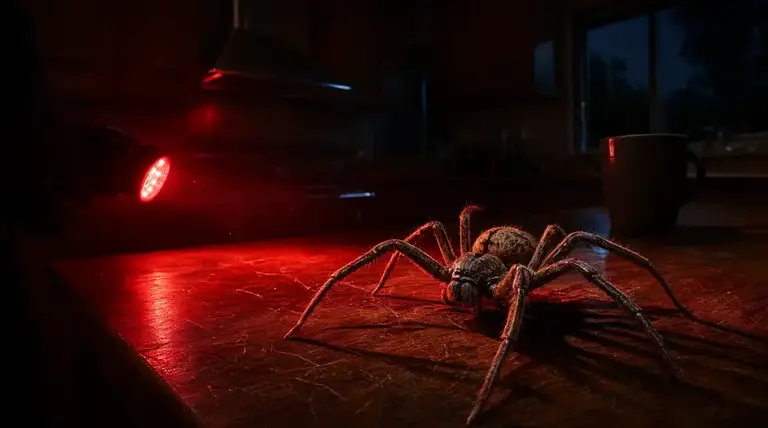
Don’t touch it. Don’t spray it. Keep kids and pets clear, take a photo from a safe distance, and call us — or book a free inspection and we’ll come to you.
02 7235 0050