Garden PestControl Without DestroyingYour Ecosystem
Garden pest control — eco pest control means managing garden pests in a way that protects the beneficial insects, birds and soil life that keep your garden...
The heart of eco pest control is balance — managing garden pests while protecting the beneficial insects, birds and soil life that keep your garden healthy, not carpet-bombing everything with broad-spectrum chemicals. Whether you’re tending a courtyard herb patch in Melbourne, a subtropical backyard in Brisbane or a native garden in Perth, the principle holds Australia-wide.
The core idea is simple: a garden with a working food web regulates most pests for you, so you intervene precisely and sparingly. This integrated, ecosystem-first approach to pest control reduces pesticide use, protects pollinators, and still keeps damaging pests below the level that hurts your plants. This guide walks you through why it matters, what to watch for, what it costs, and when to bring in a licensed technician.
- Eco pest control works with your garden’s food web — roughly 95% of garden insects are harmless or helpful.
- Broad-spectrum sprays often cause “pest resurgence”, making infestations worse over time.
- Follow the IPM ladder: prevent, monitor, physical removal, targeted treatment, registered product as a last resort.
- Professional eco-conscious treatments in Australia typically range from about $150 to $450 depending on the pest and property size.
- Call a licensed technician when pests threaten timber, spread disease, or resist safe DIY measures.
Why does ecosystem-friendly pest control matter in Australian gardens?
It matters because Australia’s climate supercharges pest lifecycles — and the wrong response can turn a minor problem into a recurring one. Warm, humid summers along the eastern seaboard, long growing seasons in Queensland, and irrigation-heavy gardens in Perth and Adelaide all give pests like aphids, caterpillars, curl grubs and armyworm multiple breeding generations per year.
Australian housing adds another layer. Homes on concrete slabs often sit flush with garden beds, giving pests like Portuguese millipedes a straight run indoors during autumn plague seasons. Raised Queenslanders and homes with subfloors create cool, moist harbours beneath the house where millipedes, slaters and soil pests multiply. Brick veneer homes with weep holes need gardens managed so mulch and dense planting don’t bridge pests straight to the wall cavity.
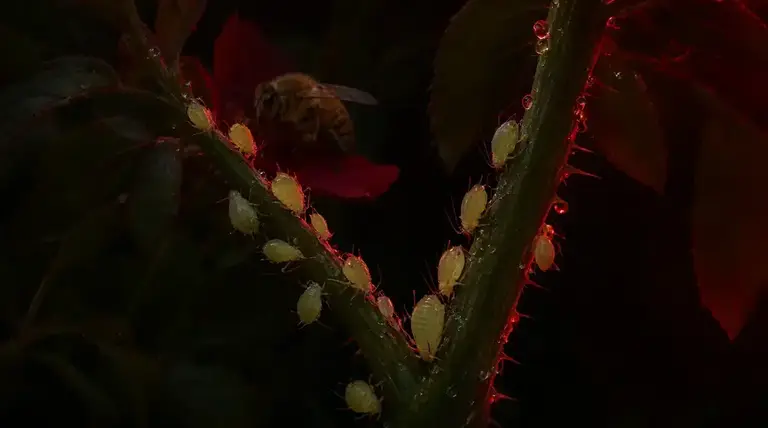
When you spray broadly in these conditions, you kill the predators but the pests — with their fast lifecycles — rebound first, often to higher numbers than before. This “pest resurgence” is well documented and is exactly why the same problems keep returning after each spray. Protecting ladybirds, lacewings, predatory mites, spiders and parasitic wasps is not sentimental gardening; it’s the cheapest form of pest control you’ll ever buy. That’s the “c” in smart control: conserve your allies.
What are the warning signs your garden ecosystem is out of balance?
The clearest warning sign is a pest population that keeps bouncing back after treatment, with few or no beneficial insects visible. If your garden feels like a revolving door of sprays and reinfestation, the food web has broken down. Watch for these signals:
- Repeat aphid or scale outbreaks — a sign ladybirds and lacewings have been wiped out or never established.
- Chewed lawn patches and spongy turf — often curl grubs or lawn grubs feeding on roots; see our guide on lawn grubs and curl grubs for identification.
- Rapid overnight lawn destruction — classic armyworm behaviour, especially after summer rain.
- Millipedes massing at doors and walls — typical of Portuguese millipede plagues in southern states during autumn.
- No pollinator activity — few native bees or hoverflies on open flowers suggests spray residues or a lack of flowering habitat.
- Stressed, struggling plants — poor soil and wrong-plant-wrong-spot create weak growth that draws pests in.
DIY vs professional eco pest control: which approach wins?
DIY works well for monitoring, physical removal and targeted spot treatments, but a licensed technician should handle anything involving registered chemicals, structural risk or large-area infestations. The “c” here is caution: even natural products can harm bees and pets if misused. Here’s how the two approaches compare:
| Factor | DIY | Professional |
|---|---|---|
| Pest identification | Possible with research; misidentification is common | Fast, accurate ID including lawn grub species and lifecycle stage |
| Treatment precision | Soap, oil, hosing, netting, hand-removal | Targeted, APVMA-registered products applied only where needed |
| Ecosystem impact | Very low if you stay physical/mechanical | Low when applied by a technician using pest-specific products |
| Cost | $0–$80 in products | $150–$450 per treatment typically |
| Best for | Aphids, caterpillars, small localised outbreaks | Armyworm, curl grub infestations, millipede plagues, recurring problems |
The same logic applies to lawns: identify whether you have sap-suckers or root-feeders before choosing a treatment, so you never spray the whole yard for a localised problem. A professional Lawn Grub & Garden Pest Treatment targets the actual pest rather than blanket-spraying everything that moves.
How much does eco-conscious garden pest control cost in Australia?
Across the Australian market, homeowners generally pay between $150 and $450 for a professional, targeted garden pest treatment, with ongoing programs costing more. What the industry charges varies by state, property size, pest species and whether you need one-off or seasonal visits. These are typical 2025–26 industry ranges — the going market rates, not any one company’s price list:
| Service | Typical market rate (AUD) | What’s included/notes |
|---|---|---|
| General garden pest inspection + spot treatment | $150–$250 | Pest ID, targeted treatment of affected plants, prevention advice |
| Lawn grub / curl grub treatment | $180–$320 | Lawn area treatment, product watered in, follow-up guidance |
| Armyworm treatment | $180–$350 | Fast-response treatment; timing critical to save turf |
| Millipede barrier treatment | $200–$400 | Perimeter and harbourage treatment for slab and subfloor homes |
| Seasonal IPM program (quarterly) | $450–$900/yr | Monitoring plus minimal, targeted intervention across the year |
Remember, the figures above reflect typical Australian market rates — what the industry generally charges. Aussie Pest Strike typically comes in well under these market rates, so for an exact quote tailored to your property and pest problem, give us a call on [aps_phone].
When are garden pests most active across the Australian year?
Garden pest activity peaks from late spring through early autumn in most of Australia, with a secondary autumn spike from millipedes in southern states. Use this pattern to time your monitoring and any treatments:
Jan
Feb
Mar
Apr
May
Jun
Jul
Aug
Sep
Oct
Nov
Dec
Typical combined garden pest pressure across temperate and subtropical Australia: aphids, caterpillars and lawn grubs build from September and peak November–February, while millipede movement spikes in autumn (March–May). Winter is the quietest period — ideal for habitat building and soil improvement.
How do you control pests without wrecking the balance?
Follow an integrated pest management (IPM) ladder, escalating only as far as you need to. Each rung adds intervention while keeping ecosystem impact as low as possible:
| Step | Action | Ecosystem impact |
|---|---|---|
| 1. Prevent | Healthy soil, right plant for the spot, diverse planting | None — builds resilience |
| 2. Monitor | Weekly checks; identify the pest correctly | None |
| 3. Physical | Hand-remove, hose, netting, traps | Very low |
| 4. Targeted | Soap, oil or spot-treat only affected plants | Low if applied off-flower |
| 5. Registered product | APVMA-approved, pest-specific, last resort — applied by a licensed technician | Moderate — use sparingly |
The most powerful eco-control happens before a pest ever arrives. Diverse plantings that flower across the seasons keep predators and pollinators fed year-round, while a permanent water source and undisturbed leaf litter give beetles, frogs and skinks somewhere to live. Grouping plants by their water and light needs reduces the stress that draws pests in the first place, and rotating annual crops each season breaks pest and disease cycles in the soil. A garden built this way needs a fraction of the intervention that a monoculture lawn-and-roses block demands.
Nine times out of ten, the gardens with the worst recurring pest problems are the ones that have been sprayed the hardest. When we treat a property, we’re aiming at one pest at one life stage — everything else in that garden is working for the homeowner, free of charge. Kill the workers and you’re back on the spray treadmill within a season.
Start at the bottom of the IPM ladder: build habitat, monitor weekly, and use physical controls first. If a pest outgrows safe DIY measures — armyworm tearing through turf, curl grubs destroying roots, or millipedes flooding the house — book a licensed technician for a targeted, APVMA-registered treatment rather than reaching for a broad-spectrum spray.
Frequently Asked Questions
Why does ecosystem-friendly pest control matter in Australian gardens?
Australia's warm climate gives pests like aphids, caterpillars, curl grubs and armyworm multiple breeding generations each year, so a heavy-handed response often backfires. Broad-spectrum sprays kill predators such as ladybirds and lacewings, but fast-breeding pests rebound first and reach higher numbers — a pattern known as pest resurgence. Protecting beneficial insects is the cheapest, most effective form of long-term pest control.
What are the warning signs my garden ecosystem is out of balance?
Key signals include aphid or scale outbreaks that keep returning with few ladybirds or lacewings visible, chewed lawn patches from curl grubs, rapid overnight turf damage typical of armyworm after summer rain, millipedes massing at doors in autumn, little pollinator activity on open flowers, and generally stressed plants. A revolving door of sprays and reinfestation means the food web has broken down.
What is the IPM ladder for garden pest control?
Integrated pest management escalates only as far as needed. Step one is prevention through healthy soil, right-plant-right-spot and diverse planting. Step two is weekly monitoring with correct pest identification. Step three is physical control such as hand removal, hosing, netting or traps. Step four is targeted soap or oil spot treatments on affected plants only. Step five, the last resort, is an APVMA-registered product applied by a licensed technician.
How does pest resurgence happen after spraying?
Broad-spectrum sprays kill predators like ladybirds, lacewings, predatory mites, spiders and parasitic wasps along with the pests. Because pests such as aphids have much faster lifecycles than their predators, they rebound first and often reach higher numbers than before the spray. This well-documented cycle is why the same problems tend to return after every treatment, keeping you on a spray treadmill.
When are garden pests most active across the Australian year?
Pest pressure builds from September and peaks between November and February, when aphids, caterpillars and lawn grubs are most active. Millipedes create a secondary spike in autumn, roughly March to May, especially in southern states. Winter is the quietest period, making it ideal for habitat building, soil improvement and preparing your garden's defences before spring activity begins.
Which garden pests can I handle myself and which need a professional?
DIY suits monitoring, hand removal, hosing, netting and spot treatments for aphids, caterpillars and small localised outbreaks. Call a licensed technician for armyworm tearing through turf, curl grub infestations destroying roots, millipede plagues flooding slab or subfloor homes, recurring problems, or anything needing registered chemicals. Even natural products can harm bees and pets if misused, so caution matters at every level.
How does housing style affect garden pest problems?
Homes on concrete slabs sit flush with garden beds, giving Portuguese millipedes a straight run indoors during autumn plagues. Raised Queenslanders and homes with subfloors offer cool, moist harbours where millipedes, slaters and soil pests multiply. Brick veneer homes with weep holes need mulch and dense planting managed so they don't bridge pests directly into the wall cavity.
How do I build a garden that resists pests naturally?
Plant diverse species that flower across seasons so predators and pollinators stay fed year-round, provide a permanent water source, and leave undisturbed leaf litter for beetles, frogs and skinks. Group plants by water and light needs to reduce stress that attracts pests, rotate annual crops each season to break soil pest cycles, and improve soil health. Such gardens need far less intervention than monoculture plantings.
What happens during an Aussie Pest Strike garden pest inspection?
Aussie Pest Strike starts by correctly identifying the pest and its lifecycle stage, including distinguishing lawn grub species, rather than blanket-spraying everything that moves. The technician assesses how your garden connects to the house — slab edges, subfloors and weep holes — then targets treatment only at affected plants or areas, followed by prevention advice suited to an ecosystem-first approach.
What should I do if DIY measures aren't controlling my garden pests?
If aphids keep rebounding, armyworm is damaging turf overnight, curl grubs are destroying roots, or millipedes are entering your home, stop escalating sprays and contact Aussie Pest Strike for a targeted assessment. A licensed technician can apply pest-specific, APVMA-registered products only where needed, protecting the beneficial insects that are already working in your garden.
Sources & further reading
Found Something
Dangerous?
Don’t touch it. Don’t spray it. Keep kids and pets clear, take a photo from a safe distance, and call us — or book a free inspection and we’ll come to you.
02 7235 0050