Aphids: GardenControl WithoutHarming Bees
Aphids garden control — you can control aphids in the garden without harming bees by choosing targeted, bee-safe methods hosing, soap sprays, oils and...
Few garden pests frustrate Australian gardeners quite like aphids. These tiny sap-suckers appear from nowhere in spring, blanket the soft new growth on your roses, citrus and veggies, and multiply so fast that a weekend away can mean a full-blown colony. The good news: you can bring them under control without collateral damage to the bees and other pollinators your garden depends on — it just takes the right methods, applied in the right order, at the right time of day.
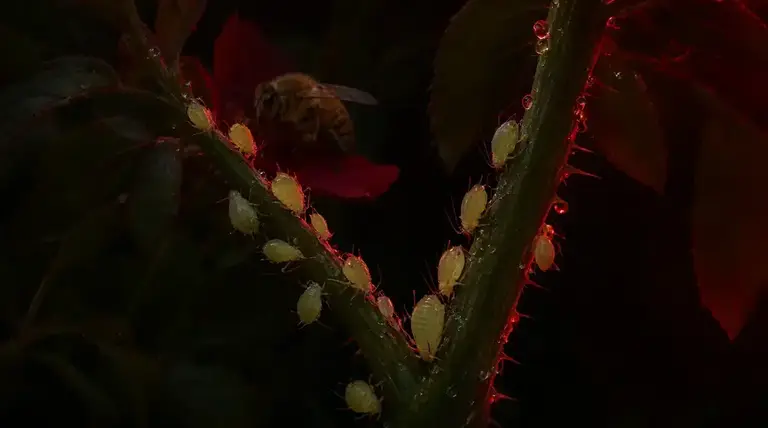
Aphids are soft-bodied insects, 1–3 mm long, that cluster on tender shoots and suck plant sap, excreting sticky honeydew as they feed. Because females give birth to live young without mating, populations explode in warm weather. Across Australia — from suburban backyards in Melbourne and Sydney to Queenslander gardens in Brisbane — they are among the most common calls we field, and also among the most mismanaged, because broad-spectrum sprays often do more harm than the pest itself.
- Start with the gentlest control — a firm water blast — and only escalate to soap, oil or professional treatment if needed.
- Never spray anything, even bee-friendly products, on open flowers or while bees are foraging; treat early morning or late evening.
- Ladybirds, lacewings and hoverfly larvae are your free workforce — preserving them often solves the problem without sprays.
- Ants actively farm and protect the colonies, so controlling ants is part of controlling the pest.
- Tolerating a light population feeds your beneficial insects; aim to manage, not exterminate.
Why aphids matter in Australian gardens
Aphids matter in Australia because our long, warm growing season lets them breed almost year-round, and a single female can produce dozens of clones in a week. What starts as a handful on a rose tip becomes a smothering colony within days, curling leaves, stunting growth and spreading plant viruses as they move from plant to plant.
Local conditions make it worse. Much of the country gardens on slab homes with irrigated garden beds hard against the house, and that lush, well-watered growth is exactly what this pest targets. In Queensland and northern NSW the warm, humid climate means there is no true winter knockdown, while southern gardeners see explosive spring flushes the moment temperatures climb past 18°C. Over-fertilised lawns and gardens — a common issue in new estates — push out the soft, nitrogen-rich growth these insects love, which is why outbreaks so often coincide with other sap-feeding and chewing pests like the ones covered in our Lawn Grub & Garden Pest Treatment service.
There is also an ant connection most gardeners miss. The honeydew these insects excrete attracts ants, which actively guard the colony from predators in exchange for the sugary reward. If you see ants trailing up your citrus or roses, look closely — there is almost always a colony being farmed at the tip. Breaking that partnership is half the battle.
Warning signs of an infestation
The clearest warning sign is clusters of small green, black, grey or orange insects on new growth, usually on the undersides of leaves and at shoot tips. Catch these early and control is simple; miss them and you are dealing with secondary problems like sooty mould and virus spread.
- Curled or distorted new leaves – sap loss causes fresh growth to pucker, cup and twist, especially on roses and citrus.
- Sticky honeydew residue – leaves and anything beneath the plant (paths, cars, outdoor furniture) develop a tacky, shiny film.
- Black sooty mould – a dark fungal coating that grows on honeydew and blocks sunlight from reaching the leaf.
- Ant trails on stems – ants moving up and down the plant are usually tending a colony, not just passing through.
- White shed skins – papery cast-off skins stuck to leaves indicate an actively moulting, growing population.
- Stunted or yellowing seedlings – young plants lack the reserves to cope and can be set back weeks by a heavy infestation.
DIY control vs professional treatment
Most light-to-moderate infestations respond well to DIY methods if you work up the ladder from gentlest to strongest: water blast, encourage predators, then insecticidal soap or horticultural oil. Professional pest control makes sense when the infestation is entrenched across a large garden, when ants are farming the colonies, or when you want an integrated program that protects pollinators while knocking the pest back hard.
The bee-safe ladder, in order:
- Water blast: a firm hose spray dislodges most of the colony and harms nothing else.
- Encourage predators: ladybirds, lacewings and hoverfly larvae devour the pest; avoid spraying so these allies survive.
- Insecticidal soap or horticultural oil: coats and smothers on contact, breaking down quickly with low risk to pollinators when flowers are avoided.
- Neem-based products: useful, but still applied in the evening away from open blooms.
The golden rule, whatever you use: never spray anything — even soap or oil — on open flowers or when bees are active. Treat early morning or late evening, target only infested foliage, and skip systemic products near flowering plants.
| Factor | DIY approach | Professional treatment |
|---|---|---|
| Best for | Small outbreaks on a handful of plants | Widespread, recurring or ant-farmed infestations |
| Cost | $15–$50 in products | Typically $150–$350 per visit |
| Bee safety | Depends entirely on your timing and product choice | Licensed technicians select targeted, pollinator-conscious products |
| Ant management | Often overlooked | Treated as part of an integrated program |
| Long-term result | Good with weekly monitoring | Stronger, with prevention advice included |
Keep in mind that aphids rarely arrive alone. Gardens under attack from sap-suckers often also host chewing pests — if your lawn is thinning at the same time, check for lawn grubs and curl grubs, and in warmer months keep an eye out for armyworm, which can strip turf overnight.
How much does aphid pest control cost in Australia?
Across the Australian pest control industry, aphid treatment typically costs between $150 and $350 for a standard suburban garden treatment in 2025–26, with larger properties, severe infestations or bundled garden-pest programs sitting higher. What any provider charges on the day will depend on garden size, plant density, access and whether ant treatment is included — these are the general market rates you’ll see quoted across the country.
| Service | Typical market rate (AUD) | What’s included/notes |
|---|---|---|
| Targeted aphid treatment (small garden) | $150–$220 | Inspection and treatment of affected plants with pollinator-conscious products |
| Full garden pest treatment | $220–$350 | Broad garden coverage including ants farming the colonies |
| Seasonal garden pest program | $400–$700/yr | Scheduled visits across spring and summer peak activity |
| Combined lawn and garden treatment | $280–$450 | Covers lawn grubs, armyworm and garden pests in one visit |
The figures above are typical Australian industry ranges and vary by state, provider and property. Any chemical application should be carried out by a licensed technician using APVMA-registered products — no treatment can honestly be called “100% safe”, but professional product selection and timing dramatically reduces risk to bees, pets and beneficial insects.
It’s worth knowing that Aussie Pest Strike typically comes in well under these general market rates, so don’t assume the figures above are what you’ll pay. For an exact quote tailored to your property, give the team a call on [aps_phone].
Seasonal activity: when aphids peak in Australia
Aphid activity peaks in spring (September to November) across most of Australia, when warm temperatures and flushes of soft new growth create ideal breeding conditions. A secondary spike often hits in autumn, while mid-summer heat and cold southern winters slow them down — though in subtropical Queensland they remain active nearly all year.
Jan
Feb
Mar
Apr
May
Jun
Jul
Aug
Sep
Oct
Nov
Dec
Typical activity pattern for temperate southern Australia. Spring growth flushes drive the major peak; subtropical regions see flatter, year-round activity with no true winter lull.
Plan your weekly garden inspections around this curve: start checking new growth from late August, and intervene early with a hose or soap spray rather than waiting for colonies to establish. Damp, mild autumns can also bring outbreaks indoors and onto sheltered verandah plants — much like Portuguese millipedes, which surge in similar conditions and often invade homes at the same time of year.
The biggest mistake we see is gardeners reaching straight for a broad-spectrum spray at the first sign of trouble. Nine times out of ten a hard blast of water and a bit of patience does the job, and you keep the ladybirds that would have cleaned up the next outbreak for free. Treat the ants as well — if you don’t, they will simply move a fresh colony back onto your roses within the week.
Inspect new growth weekly from late winter, blast early colonies off with the hose, and reserve soap or oil sprays for persistent infestations — always applied outside bee-foraging hours and never on open blooms. Ease off high-nitrogen fertiliser, plant alyssum, dill and coriander to feed predators, and tolerate a light population on established plants. If colonies keep returning, ants are involved, or the garden is too large to manage by hand, book a professional integrated treatment rather than escalating chemicals yourself.
Frequently Asked Questions
What do aphids look like and where do they cluster on plants?
Aphids are soft-bodied insects measuring 1–3 mm long, and they can be green, black, grey or orange. They cluster on tender new growth, particularly on the undersides of leaves and at shoot tips, where they suck plant sap. Roses, citrus and vegetable seedlings are common targets in Australian gardens, and a small group can become a smothering colony within days in warm weather.
What are the warning signs of an aphid infestation?
Look for clusters of small insects on new growth, curled or distorted young leaves, sticky honeydew residue on leaves or surfaces beneath the plant, black sooty mould growing on that honeydew, ant trails moving up stems, white shed skins stuck to leaves, and stunted or yellowing seedlings. Catching these signs early makes control simple; missing them risks sooty mould and virus spread.
Why are ants part of an aphid problem?
Aphids excrete a sugary substance called honeydew, which attracts ants. In exchange for this food, ants actively guard aphid colonies from predators such as ladybirds and lacewings, effectively farming them. If you see ants trailing up your citrus or roses, there is almost always a colony being tended at the shoot tip. Breaking this partnership by treating the ants is half the battle.
What is the bee-safe order of control methods for aphids?
Work up a ladder from gentlest to strongest: first blast colonies off with a firm hose spray, then encourage predators like ladybirds, lacewings and hoverfly larvae by avoiding sprays, next use insecticidal soap or horticultural oil, and finally consider neem-based products applied in the evening away from open blooms. Whatever you use, never spray anything on open flowers or while bees are foraging.
When is the best time of day to treat aphids without harming bees?
Treat early morning or late evening, when bees are not actively foraging. This rule applies to every product, including soap and oil sprays that break down quickly. Target only infested foliage rather than spraying whole plants, avoid open flowers entirely, and skip systemic products near flowering plants to protect pollinators.
When do aphids peak in Australia?
Aphid activity peaks in spring from September to November across most of Australia, when warm temperatures and flushes of soft new growth create ideal breeding conditions. A secondary spike often occurs in autumn, while mid-summer heat and cold southern winters slow them down. In subtropical Queensland they remain active nearly all year with no true winter lull.
Should I tolerate some aphids in my garden?
Yes, tolerating a light population is actually beneficial because it feeds your beneficial insects. Ladybirds, lacewings and hoverfly larvae devour aphids and act as your free workforce; preserving them often solves the problem without any sprays at all. The goal is to manage aphids, not exterminate them, so aim for balance rather than wiping out every last one.
Why does over-fertilising make aphid problems worse?
Over-fertilised lawns and gardens, a common issue in new estates, push out soft, nitrogen-rich growth that aphids love to feed on. Lush, well-watered growth from irrigated garden beds is exactly what these sap-suckers target. Outbreaks often coincide with other sap-feeding and chewing pests, so moderating fertiliser use can help reduce the appeal of your garden to aphids.
How would Aussie Pest Strike assess the warning signs of an aphid infestation in my garden?
A technician would inspect new growth on susceptible plants such as roses and citrus for clusters of aphids, check leaf undersides and shoot tips, and look for supporting evidence like honeydew film, sooty mould, white shed skins and distorted leaves. They would also trace ant trails on stems, since ants farming colonies changes the treatment approach, and assess whether lawn grubs or armyworm are present alongside the aphids.
When should I call Aussie Pest Strike instead of handling aphids myself?
DIY methods work well for light outbreaks on a handful of plants, but professional treatment makes sense when infestations are entrenched across a large garden, when ants are actively farming the colonies, or when you want an integrated program that protects pollinators while knocking the pest back hard. A licensed technician can select targeted, pollinator-conscious products and include ant management as part of the program.
Sources & further reading
Found Something
Dangerous?
Don’t touch it. Don’t spray it. Keep kids and pets clear, take a photo from a safe distance, and call us — or book a free inspection and we’ll come to you.
02 7235 0050