How to KeepSpiders Off Your Balcony:7 Easy Tips
The easiest way to keep spiders off your balcony is to remove what draws them in: insects, clutter and dark, sheltered corners. Weekly sweeping, sealing...
Spiders turn a pleasant balcony into a no-go zone surprisingly fast — webs across railings, redbacks under the outdoor setting, and huntsmen dropping in uninvited. The good news: keeping spiders off your balcony is straightforward once you remove what attracts them — insects, clutter and dark, sheltered corners. This guide covers seven practical tips that work for Australian apartments, townhouses and homes, from weekly sweeping to professional residual treatments.
In simple terms, keeping spiders off your balcony means removing their food source, shelter and access points, then maintaining a light cleaning and treatment routine through the warmer months. Do that consistently, and redbacks, huntsmen and black house spiders will look elsewhere.
- Weekly sweeping and web knock-down is the single most effective DIY habit — spiders abandon sites where webs are repeatedly destroyed.
- Switching to warm-yellow outdoor lighting cuts the insect food source that draws spiders in.
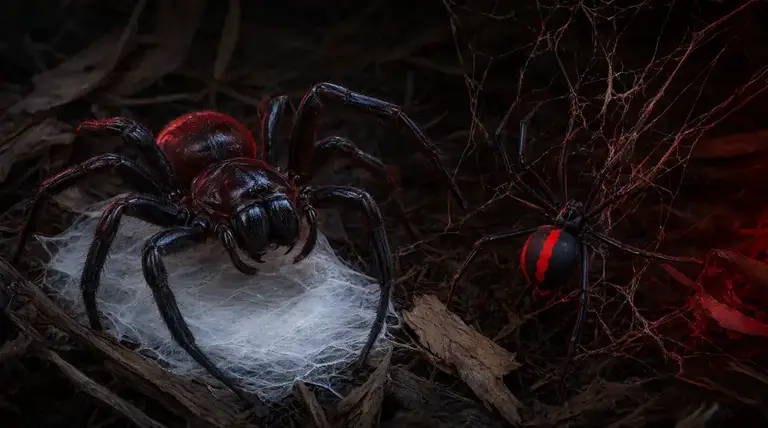
- Redbacks nesting under balcony furniture are the main bite risk; treat creamy, spiky egg sacs as a red flag.
- A professional residual barrier treatment lasts three to six months — far longer than supermarket sprays.
- Professional spider treatments typically cost $180–$350 (AUD), with a free inspection the smart first step.
Why Balconies Attract Spiders in Australia
Balconies offer everything a spider needs: shelter from wind and rain, plenty of corners for webs, and a steady supply of insects drawn to outdoor lights. Australian conditions make this worse — long warm seasons, dense garden suburbs, and housing styles that give spiders easy bridges indoors.
Activity spikes from September through February, when warm nights bring moths, flies and mosquitoes onto balconies — and hungry spiders follow. The common offenders vary by state: redbacks nesting under furniture in Perth and Adelaide brick veneers, black house spiders webbing around window frames in Melbourne, and huntsmen wandering in from nearby trees in Brisbane and Sydney. Even high-rise apartments cop visits, because spiders hitchhike on pot plants, outdoor furniture and washing. In greater Sydney and the Blue Mountains, ground-floor terraces occasionally see funnel-webs after summer rain — our guide to funnel-web spider identification, danger and control explains what to watch for.
Warning Signs of a Growing Spider Problem on Your Balcony
You’ll know spiders are settling in — not just passing through — when webs and egg sacs reappear within days of cleaning. Check these signs weekly during spring and summer:
- Webs rebuilding within two or three days of being swept down, especially in the same corners and railing joints.
- Creamy, spiky egg sacs tucked into furniture joints, pot-plant saucers or railing brackets — a classic redback sign.
- Silk-lined retreats under furniture, with black droppings or insect husks beneath tables and chairs.
- Heavy insect activity at night around white outdoor lights — more prey means more predators within a fortnight.
- Large black spiders on ground-level terraces after rain in Sydney or the Blue Mountains — treat these as potential funnel-webs and keep your distance.
- Spiders appearing inside near sliding door tracks, suggesting gaps are funnelling them indoors.
7 Easy Tips to Keep Spiders Off Your Balcony
The fastest way to keep spiders off your balcony is to remove what draws them in, then maintain a monthly routine through the warmer months. You don’t need harsh chemicals or expensive gadgets — work through these seven steps once, then maintain.
1. Sweep and Knock Down Webs Weekly
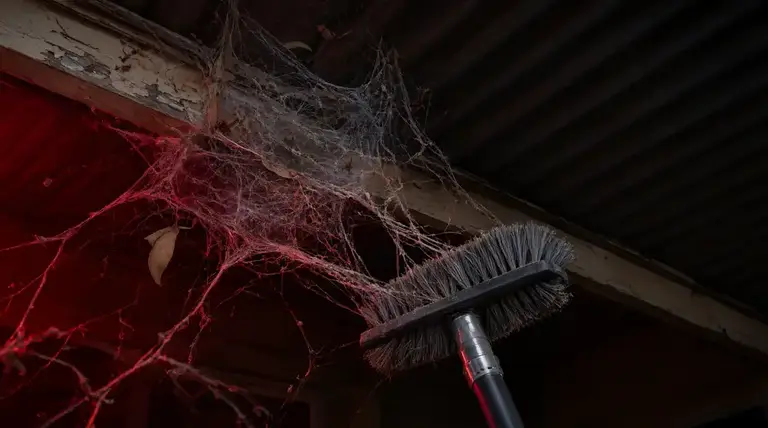
Spiders abandon sites where webs are repeatedly destroyed. Use a long-handled broom to clear webs, egg sacs and droppings from railings, ceilings and under furniture — especially the undersides of tables and chairs, a favourite redback hideout.
2. Declutter and Lift Storage Off the Floor
Stacked boxes, shoes and unused pots create perfect harbourage. Store items in sealed plastic tubs rather than cardboard, and raise them off the deck where possible. Prioritise removing cardboard boxes, stagnant saucers of water, shoes and camping gear, and piles of cushions or outdoor toys.
3. Change Your Outdoor Lighting
White and cool-blue globes attract the insects spiders hunt. Swap them for warm-yellow or sodium-style bulbs and switch balcony lights off when you’re not outside — cutting the food source is the single most effective long-term deterrent.
4. Trim Plants and Move Them Away from Walls
Yes—trim back dense foliage and move pots away from walls, doors, and window tracks. Overhanging branches and crowded planters act like bridges, letting spiders travel from the garden onto balconies and straight inside. Keep a clear gap, prune regularly, remove webs, and position plants where leaves cannot touch screens or frames.
5. Seal Gaps, Cracks and Door Tracks
Check sliding door tracks, weep holes, cable entry points and gaps around railings. Use silicone sealant for cracks and fit brush strips to door bases — this blocks both spiders and the insects they chase.
6. Use Natural Repellents Between Cleans
Peppermint oil, vinegar and citrus sprays discourage web-building. Mix ten to fifteen drops of peppermint oil with water and mist corners weekly — but treat these as a supplement, not a standalone fix.
7. Apply a Residual Barrier Treatment
A professional-grade residual spray applied to corners, frames and under furniture keeps working for months. Licensed technicians use APVMA-registered products, which are low-risk around kids and pets once dry — far more effective than supermarket surface sprays.
DIY vs Professional Pest Control for Balcony Spiders
DIY methods handle the occasional web, but a licensed pest control technician is the right call when egg sacs keep appearing, species are potentially dangerous, or strata rules require professional treatment. Here’s how the two approaches compare:
| Factor | DIY | Professional |
|---|---|---|
| Effectiveness | Good for light activity; needs weekly upkeep | Residual barrier lasts 3–6 months |
| Species identification | Guesswork — risky with redbacks or funnel-webs | Correct ID guides safe treatment |
| Products | Supermarket sprays, natural repellents | APVMA-registered professional-grade products |
| Strata compliance | May breach body corporate rules for shared areas | Licensed work meets strata and state licensing requirements |
| Upfront cost | $10–$40 in supplies | $180–$350 typical treatment |
Pest technicians must be licensed in most states — in NSW, for example, under EPA pesticide regulations — and strata or body corporate rules may require professional treatment for shared areas. A licensed technician will also identify the species correctly, which matters when bites are a genuine risk. If you’re unsure what you’re dealing with, our pages on redback spider identification, bites and safe removal and whether huntsman spiders are dangerous or harmless housemates are a good starting point.
How Much Does Balcony Spider Treatment Cost in Australia?
Across the Australian pest control industry, professional spider treatments for a balcony or apartment typically sit between $180 and $350 (AUD) in 2025–26, depending on property size, access and treatment scope. The following are typical market rates you’ll see quoted by most operators:
| Service | Typical market rate (AUD) | What’s included/notes |
|---|---|---|
| Free inspection | $0 | Species identification, risk assessment, written quote |
| Balcony/apartment spider treatment | $180–$280 | Residual spray to corners, frames, under furniture; web removal |
| Whole-home spider treatment | $250–$350 | Internal and external barrier; eaves, fences, subfloor where accessible |
| Seasonal maintenance plan | $150–$250 per visit | Two to three visits per year, timed for spring and post-rain re-treatment |
Market rates shift with access (high-rise balconies may need strata coordination), infestation severity and whether redback harbourage needs targeted treatment. Always get a written quote after inspection, whichever provider you choose.
Those figures are what the industry generally charges — Aussie Pest Strike typically comes in well under these market rates. Call us on [aps_phone] for an exact quote on your property.
Seasonal Spider Activity in Australia
Spider activity on balconies peaks from September through February, when warm nights boost insect numbers and spiders mature and breed. The chart below shows typical relative activity across the year:
Jan
Feb
Mar
Apr
May
Jun
Jul
Aug
Sep
Oct
Nov
Dec
Typical balcony spider activity by month. Activity climbs sharply from September, peaks in December, and eases through autumn — though indoor-adjacent spiders like black house spiders remain active year-round in heated homes.
Nine times out of ten, a balcony spider problem is really an insect problem — kill the food source and the spiders follow. The jobs that worry us are the redback colonies under outdoor settings, because people never check before they sit down. A residual barrier applied in early September carries most homes right through the peak season.
Start with the seven DIY steps today — sweep, declutter, change your lighting and seal gaps. If you’re seeing egg sacs, webs returning within days, or any large black spider you can’t identify, book a professional Spider Control & Removal treatment with a licensed technician. Early-season treatment (September) is the best value and the best protection.
Frequently Asked Questions
Why do spiders keep building webs on my balcony?
Balconies offer shelter from wind and rain, plenty of corners for webs, and a steady supply of insects drawn to outdoor lights. Activity spikes from September through February, when warm nights bring moths, flies and mosquitoes onto balconies and spiders follow the food. If webs rebuild within two or three days of sweeping, spiders have settled in rather than just passing through.
How often should I sweep and knock down spider webs on my balcony?
Sweep and knock down webs weekly during spring and summer using a long-handled broom. Clear webs, egg sacs and droppings from railings, ceilings and under furniture, especially the undersides of tables and chairs where redbacks like to hide. Spiders abandon sites where their webs are repeatedly destroyed, making this the single most effective DIY habit for keeping your balcony clear.
What are the warning signs of a growing spider problem on my balcony?
Watch for webs rebuilding within two or three days of cleaning in the same corners or railing joints, creamy spiky egg sacs tucked into furniture joints or pot-plant saucers (a classic redback sign), silk-lined retreats with black droppings or insect husks beneath furniture, heavy insect activity around white lights at night, and spiders appearing inside near sliding door tracks.
Does changing my outdoor lighting really reduce spiders on my balcony?
Yes. White and cool-blue globes attract the insects that spiders hunt, so swapping them for warm-yellow or sodium-style bulbs cuts the food source that draws spiders in. Switching balcony lights off when you are not outside helps further. Reducing insect prey is one of the most effective long-term deterrents, because a balcony spider problem is usually an insect problem first.
How should I arrange plants on my balcony to keep spiders away?
Trim back dense foliage and move pots away from walls, doors and window tracks. Overhanging branches and crowded planters act like bridges, letting spiders travel from the garden onto your balcony and straight inside. Keep a clear gap between plants and the building, prune regularly, remove any webs you find, and position plants so leaves cannot touch screens or frames.
How can I seal my balcony against spiders getting inside?
Check sliding door tracks, weep holes, cable entry points and gaps around railings. Use silicone sealant to fill cracks and fit brush strips to door bases. This blocks both spiders and the insects they chase indoors. Spiders appearing near sliding door tracks is a sign gaps are funnelling them inside, so sealing these access points is an important part of the routine.
Do natural repellents like peppermint oil work against balcony spiders?
Peppermint oil, vinegar and citrus sprays can discourage web-building between cleans. Mix ten to fifteen drops of peppermint oil with water and mist corners weekly. However, treat these as a supplement rather than a standalone fix — they will not remove an established problem on their own. Combine them with weekly sweeping, decluttering, lighting changes and sealing gaps for best results.
When should I call a professional instead of treating balcony spiders myself?
Call a licensed pest control technician when egg sacs keep appearing, species are potentially dangerous such as redbacks or funnel-webs, or strata rules require professional treatment for shared areas. Professionals use APVMA-registered residual products that last three to six months once dry, correctly identify the species, and meet state licensing requirements — far more effective than supermarket sprays and guesswork.
What happens during an Aussie Pest Strike inspection for balcony spiders?
An inspection starts with identifying which species are present, since correct identification matters when redbacks or funnel-webs could be involved. The technician assesses risk areas such as furniture undersides, railing joints and pot-plant saucers, then provides a written quote outlining the recommended treatment scope. This free inspection step ensures the treatment plan suits your balcony's layout, access and level of activity before any work begins.
Should I book a seasonal maintenance plan for spiders on my balcony?
If your balcony faces recurring spider pressure each spring, a seasonal maintenance plan timed for spring and post-rain re-treatment keeps protection consistent through the September-to-February peak. A residual barrier applied in early September carries most homes through the warmer months. Aussie Pest Strike offers seasonal visits as an alternative to one-off treatments, which suits apartments and homes where webs and egg sacs return every year.
Sources & further reading
Found Something
Dangerous?
Don’t touch it. Don’t spray it. Keep kids and pets clear, take a photo from a safe distance, and call us — or book a free inspection and we’ll come to you.
02 7235 0050