Huntsman Spiders:Dangerous orHarmless Housemates?
Huntsman spiders dangerous — the huntsman spider is essentially harmless to people its venom is not medically significant, it has no interest in biting...
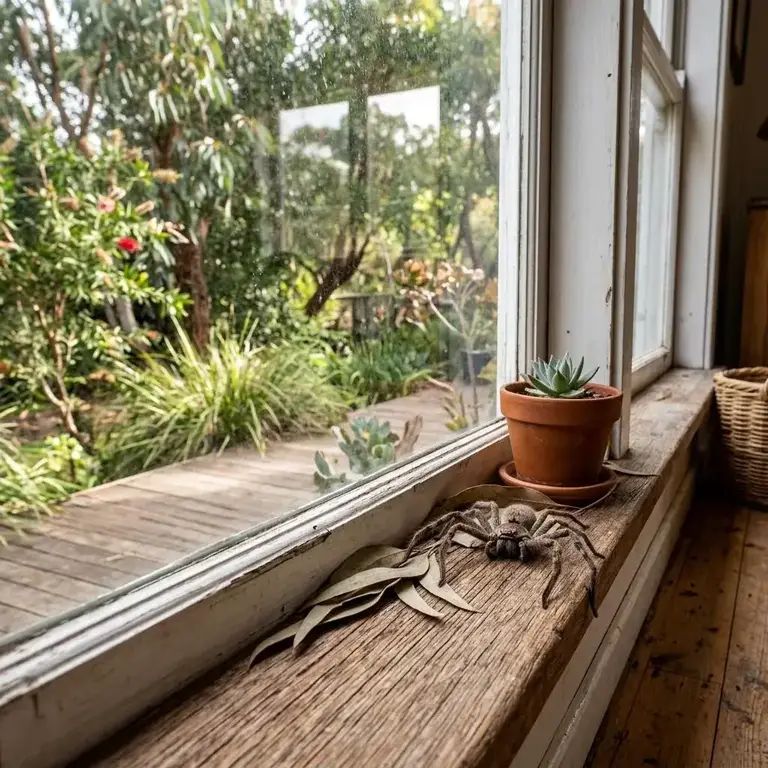
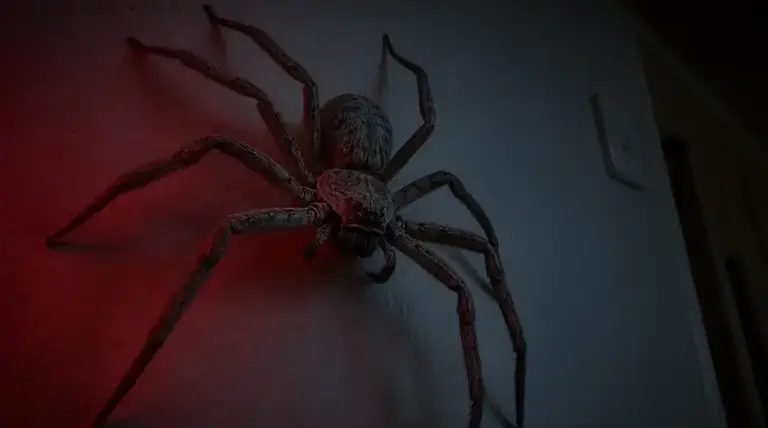
That fast, flattened brown spider on your bedroom wall is almost certainly a huntsman spider — and despite the heart rate it produces, it’s one of the least dangerous creatures sharing your home. Across Australia, from humid Brisbane Queenslanders to Melbourne brick veneer and Perth slab homes, huntsmen are the spider most likely to startle you and the least likely to hurt you.
A huntsman spider is a large, flat-bodied, free-roaming hunting spider from the family Sparassidae whose venom is not medically significant to humans. It doesn’t build webs, it doesn’t want to bite you, and it spends its nights eating the cockroaches and mosquitoes you’d rather not have. This guide covers identification, bite risk, why they come indoors, when DIY management is enough, and when professional pest control makes sense.
- Huntsman venom is not medically significant; bites are rare and cause only local pain and mild swelling.
- Australia has 90+ huntsman species; the common grey huntsman reaches a leg span of 15–16 cm.
- Huntsmen are free-roaming ambush hunters — no webs — and eat cockroaches, moths and mosquitoes.
- They shelter behind picture frames, curtains, wardrobes and car dashboards, mostly in the warmer months.
- Frequent huntsmen indoors usually signal an underlying insect problem worth treating with professional pest control.
Why the Huntsman Spider Matters in Australian Homes
The huntsman spider matters because it’s the large spider Australians encounter most often indoors, and misidentifying it — in either direction — causes real problems. Panic leads people to kill a beneficial predator, while complacency can mean ignoring a genuinely dangerous lookalike.
Australian housing gives huntsmen endless entry points. Older Queenslanders have gaps around weatherboards, stumps and verandahs; brick veneer homes have weep holes and eave gaps; even modern slab construction leaves openings at roller doors, window frames and rooflines. Their famously flat bodies — evolved for slipping under tree bark — slide through gaps just millimetres high.
Climate drives the pattern. Hot, dry summer nights from December to February push spiders and their insect prey toward cooler interiors and outdoor lighting. That’s when most households meet their first huntsman of the season — often on the ceiling at 11 pm, or worse, behind the sun visor on the motorway. Knowing what you’re looking at replaces panic with a plan.
Meet Australia’s Most Misunderstood Spider
Australia has more than 90 huntsman species, most in the family Sparassidae, and nearly all are shy, nocturnal and harmless. The common grey huntsman (Holconia and Isopeda species) reaches a leg span of 15–16 cm, which is exactly why it startles people despite being non-aggressive.
Unlike web-building spiders, the huntsman is a free-roaming ambush hunter. It doesn’t spin a snare — it chases prey across walls at speed, often sideways in that crab-like scuttle responsible for the classic Aussie car-cabin panic. When it senses you, its instinct is to freeze, then bolt for the nearest dark crevice — not to stand its ground.
Are Huntsman Bites Actually Dangerous?
No — huntsman bites are uncommon, medically minor and require no antivenom. They typically only occur when a spider is pressed against skin, for example when hiding in clothing, gloves or bedding.
Symptoms are usually limited to local pain, mild swelling and occasionally a headache or nausea, resolving without treatment. Compare that with Australia’s genuinely dangerous spiders and the difference is stark:
| Spider | Bite severity | Behaviour |
|---|---|---|
| Huntsman | Minor, local pain; no antivenom needed | Shy, flees from people |
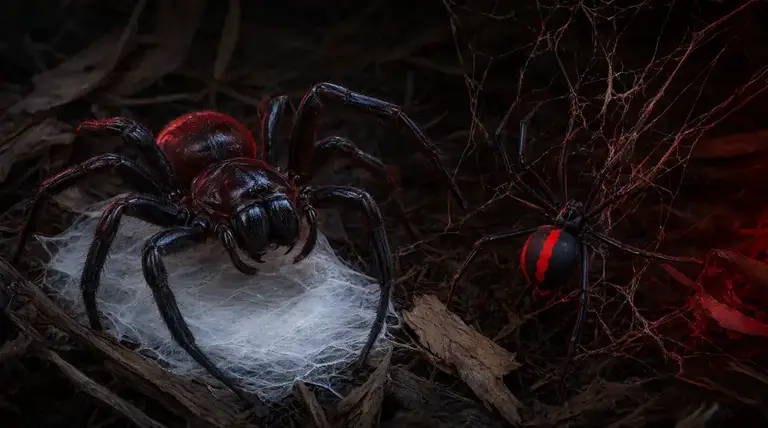
| Redback | Medically significant; antivenom available | Stays on web, defensive when disturbed |
| Sydney funnel-web | Potentially life-threatening; medical emergency | Ground-dwelling, aggressive when cornered |
| White-tail | Painful bite; necrosis claims largely myth | Wandering hunter, hides in clothing |
For a deeper look at the species that do warrant caution, see our guides to redback spider identification, bites and safe removal, the Sydney funnel-web: identification, danger and control, and white-tail spider bites: separating fact from myth. If you’re unsure what’s on your wall, our common house spiders identification guide lays out the visual cues side by side.
Warning Signs: When a Huntsman Sighting Means Something More
A single huntsman is rarely a problem — but repeated sightings usually point to an underlying insect issue attracting them. Watch for these indicators:
- Weekly sightings indoors — one spider a season is normal; one a week suggests a reliable food source inside.
- Cockroach evidence — droppings, egg cases or musty odours; huntsmen follow cockroaches like a free buffet.
- Heavy insect activity around outdoor lights — moths and bugs at lights draw hunting spiders to your walls and eaves.
- Spiders in the car — huntsmen slip into warm dashboard cavities; repeat car encounters mean entry points nearby.
- Flattened shapes behind picture frames, curtains and wardrobes — classic daytime hiding spots for this species.
- Multiple large spiders in sheds or under bark — although solitary hunters, favourable habitat can host several.
DIY Relocation vs Professional Treatment
For an occasional huntsman, DIY relocation is genuinely all you need — the container-and-card method works and keeps a beneficial predator alive. Professional treatment becomes worthwhile when huntsmen are constant, because that signals an insect infestation driving the traffic, or when you can’t be sure the spider is actually a huntsman.
| Approach | Best for | Limitations |
|---|---|---|
| Container-and-card relocation | Single spider, confident identification | Does nothing about the food source attracting them |
| Exclusion and lighting changes | Reducing entry and insect attraction long-term | Slow results; requires thorough gap-sealing |
| Professional pest control | Recurring spiders, cockroach problems, uncertain ID | Upfront cost; must use a licensed technician |
Practical DIY steps that genuinely help: reduce outdoor lighting or switch to yellow LEDs, seal gaps around weatherboards, eaves and roller doors, and keep cockroach numbers down. Our home spider-proofing steps and seasonal spider activity calendar walk through the details.
What Does Huntsman and Spider Treatment Cost in Australia?
Across Australia, the going market rate for general spider treatment typically sits between $150 and $450 AUD in 2025-26, depending on property size, construction type and whether an underlying insect infestation needs treating. Huntsman-only issues rarely need treatment at all — you’re usually paying to control the prey species. Below is what the Australian industry generally charges:
| Service | Typical Australian market rate (AUD) | What’s included/notes |
|---|---|---|
| Inspection and identification | Free – $120 | Species ID, harbourage and entry-point assessment; often free with treatment |
| General spider treatment (standard home) | $180 – $320 | Internal/external perimeter, eaves, webs removed; licensed technician applied |
| Large home or acreage | $300 – $450+ | Sheds, fences, subfloor or roof void dusting as required |
| Cockroach treatment (prey control) | $200 – $380 | Gel baiting and residual spray; removes the huntsman’s food source |
Whatever you pay, all chemical treatments should be carried out by a licensed pest-control technician using APVMA-registered products, applied according to label directions — no treatment can be called 100% safe or guaranteed, but professional application keeps risk to people and pets low.
Those figures are typical Australian market rates across the industry — not what you’ll pay with us. Aussie Pest Strike typically comes in well under these market rates, so for an exact quote on your property, call [aps_phone] and we’ll give you a sharp price on the spot.
Seasonal Huntsman Activity Across Australia
Huntsman activity peaks from late spring through summer, when warmth drives both spiders and their insect prey into homes, cars and sheds. Sightings drop sharply over winter as adults shelter under bark and in roof voids.
Jan
Feb
Mar
Apr
May
Jun
Jul
Aug
Sep
Oct
Nov
Dec
Typical indoor huntsman sighting pattern across Australia: a strong November–March peak driven by heat and insect prey, with a winter lull as spiders shelter outdoors. Northern regions often see activity extended by several weeks at each end.
Nine times out of ten, the “dangerous spider” callout we attend is a huntsman sitting behind a curtain. We relocate it, then show the customer the cockroach harbourage that attracted it in the first place — that’s the conversation that actually fixes the problem.
Leave the occasional huntsman alone or relocate it with a jar and card — it’s doing you a favour. If you’re seeing them weekly, finding them in the car, or you’re not confident it’s a huntsman, book an inspection. Treating the insect prey and sealing entry points is the only lasting fix, and our spider control & removal service handles both in a single visit.
Frequently Asked Questions
Are huntsman spiders dangerous to humans?
No. Huntsman spider venom is not medically significant to humans, and bites are uncommon, requiring no antivenom. Bites usually happen only when a spider is pressed against skin, such as when hiding in clothing, gloves or bedding. Symptoms are typically limited to local pain and mild swelling, occasionally with a headache or nausea, and they resolve without treatment.
How big do huntsman spiders get in Australia?
Australia has more than 90 huntsman species, most in the family Sparassidae. The common grey huntsman (Holconia and Isopeda species) reaches a leg span of 15–16 cm, which is why it startles people despite being shy and non-aggressive. Nearly all species are nocturnal free-roaming hunters rather than web-builders.
How can I tell if the spider in my house is a huntsman?
Look for a large, flat-bodied brown spider that moves quickly across walls, often sideways in a crab-like scuttle. Huntsmen don't build webs — they chase prey at speed. When disturbed, their instinct is to freeze and then bolt for the nearest dark crevice. They commonly shelter behind picture frames, curtains, wardrobes and even car dashboards during the day.
Why do huntsman spiders come inside my home?
Huntsmen follow their insect prey indoors. Hot, dry summer nights from December to February push spiders and the cockroaches, moths and mosquitoes they eat toward cooler interiors and outdoor lighting. Australian housing also offers easy entry: gaps around weatherboards, stumps and verandahs in older Queenslanders, weep holes and eave gaps in brick veneer homes, and openings at roller doors and rooflines in slab construction.
What should I do if I find a huntsman spider indoors?
For an occasional huntsman, relocation with the container-and-card method is all you need, and it keeps a beneficial predator alive. The spider eats cockroaches, moths and mosquitoes, so it's doing you a favour. If you're seeing them weekly, finding them in the car, or you're not confident it's actually a huntsman, book an inspection instead of guessing.
When are repeated huntsman sightings a sign of a bigger problem?
One spider a season is normal; one a week suggests a reliable food source inside. Warning signs include cockroach evidence such as droppings, egg cases or musty odours, heavy insect activity around outdoor lights drawing hunting spiders to your eaves, spiders repeatedly appearing in your car, and flattened shapes behind picture frames, curtains or wardrobes. Frequent sightings usually point to an underlying insect problem worth treating professionally.
What DIY steps help reduce huntsman spiders around my home?
Reduce outdoor lighting or switch to yellow LEDs so moths and other prey insects aren't drawn to your walls and eaves. Seal gaps around weatherboards, eaves and roller doors to block entry points, remembering that flat-bodied huntsmen can slip through gaps just millimetres high. Keep cockroach numbers down, since huntsmen follow them like a free buffet. These steps work long-term but results are gradual.
When should I call a professional about huntsman spiders?
Professional treatment makes sense when huntsmen appear constantly, because that signals an insect infestation driving the traffic, or when you can't be sure the spider is actually a huntsman. Any chemical treatment should be carried out by a licensed pest-control technician using APVMA-registered products applied according to label directions. Treating the insect prey and sealing entry points is the only lasting fix.
Is a property-specific inspection useful for recurring huntsman spiders?
Yes. Because frequent indoor huntsmen usually signal an underlying insect problem rather than a spider issue itself, an inspection can identify the cockroach harbourage and entry points attracting them in the first place. Aussie Pest Strike technicians relocate the spider, then show you what drew it there — often cockroaches behind curtains or in sheds — which is the conversation that actually fixes the problem rather than just removing one spider.
What's a practical next step after spotting a huntsman in my home?
If it's a single spider you can confidently identify as a huntsman, relocate it with a jar and card and leave it be — it's eating the pests you'd rather not have. If sightings are weekly, spiders keep turning up in your car, or you're unsure of the identification, contact Aussie Pest Strike for an inspection and quote. Their spider control service treats both the insect prey and entry points in a single visit.
Sources & further reading
Found Something
Dangerous?
Don’t touch it. Don’t spray it. Keep kids and pets clear, take a photo from a safe distance, and call us — or book a free inspection and we’ll come to you.
02 7235 0050