How to Spider-ProofYour Home: 9Steps That Work
How to spider-proof — Spider-proof home — Spider proofing — spider-proofing works by removing the two things spiders come indoors for: shelter and insect...
Spiders move indoors chasing two things — shelter and insect prey — so effective spider proofing removes both. Across Australia, from subtropical Queenslanders to Melbourne brick veneer, the same nine steps work because they attack the environment spiders need, not the spiders themselves. This guide walks you through each one, in rough order of impact.
Put simply, spider proofing is the practice of sealing entry points, cutting off insect food sources and removing harborage so spiders have no reason to settle inside your home. Done properly — especially before the summer peak — it dramatically reduces the number of spiders you’ll see indoors, and a licensed pest control barrier treatment can extend that protection for months.
- Spider proofing works by breaking the food-and-shelter chain — not by spraying individual spiders.
- Seal gaps 2 mm and larger, fit door seals and repair flyscreens first; these deliver the biggest impact.
- Warm-yellow outdoor lighting starves spiders of insect prey near doorways and windows.
- Late winter to early spring is the best time to spider-proof, ahead of the December–February peak.
- Redbacks and funnel-webs should never be handled — call a licensed technician for those species.
Why Spider Proofing Matters in Australian Homes
Spider proofing matters in Australia because our climate drives insects — and the spiders that hunt them — indoors for much of the year. Warm summer nights from December to February push both prey and predators towards sheltered interiors, and our housing stock gives them plenty of ways in.
Older Queenslanders on stumps have open subfloors, wall cavity gaps and timber joins that spiders exploit. Brick veneer homes on slabs have weep holes and cracked mortar. Weatherboard cottages have movement gaps at every join. Wherever you live, undisturbed corners, outdoor lighting and moisture create ideal hunting grounds — which is why Spider Control & Removal starts with the building envelope, not the spray can.
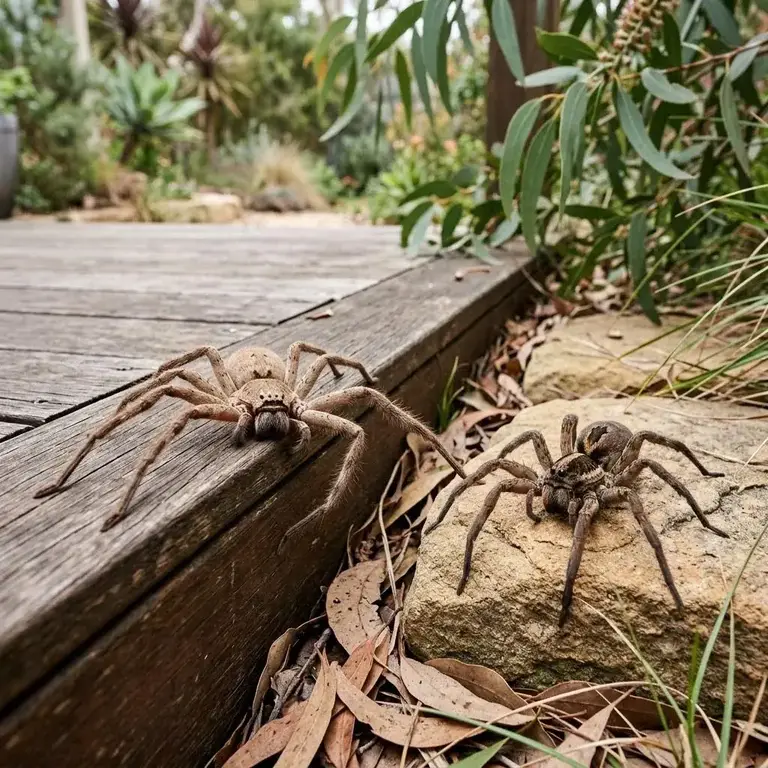
The species you’re likely to meet vary by region and habitat. Redbacks favour sheds, letterboxes and outdoor furniture — see our guide to Redback Spider: Identification, Bites and Safe Removal. Huntsmen roam walls and ceilings at night, while web-building black house spiders colonise eaves and window frames. In parts of New South Wales and southern Queensland, funnel-web spiders are a genuine safety concern in gardens and subfloors, making exclusion a health issue, not just a comfort one.
Warning Signs You Need to Spider-Proof Now
You need to spider-proof when webs reappear within days of removal or you’re finding egg sacs in corners, eaves and garages. Use this checklist to gauge how established the problem is:
- Webs rebuilding quickly — if webs return within days of knocking them down, spiders consider the spot productive hunting ground.
- Egg sacs in corners or under furniture — a single sac can hold hundreds of spiderlings, so one missed sac becomes a season-long problem.
- Insects clustering around outdoor lights — heavy insect activity at doorways guarantees spiders will follow.
- Spiders in garages, sheds or stacked timber — clutter is prime redback and black house spider habitat.
- Vegetation touching walls or eaves — overhanging branches and dense shrubs act as bridges onto the building.
- Damp bathrooms, laundries or subfloors — moisture attracts the insects spiders eat, so damp zones become spider zones.
- Gaps under external doors or torn flyscreens — a single torn screen corner or 2 mm door gap is an open invitation.
DIY Spider Proofing vs Professional Treatment
DIY spider proofing handles exclusion and housekeeping well, but it can’t match a professional residual treatment for lasting protection. Supermarket sprays kill on contact and break down quickly; a licensed technician applies a residual barrier around entry points and eaves that keeps working for months. If webs return within days, or redbacks or funnel-webs are involved, professional pest control is the right call — those species shouldn’t be handled at all.
| Factor | DIY | Professional |
|---|---|---|
| Duration of protection | Days to weeks | Typically several months per treatment |
| Coverage | Spot treatments, reachable areas only | Full perimeter, eaves, entry points, subfloor |
| Dangerous species | Not recommended for redbacks or funnel-webs | Licensed, APVMA-compliant handling and products |
| Typical cost (AUD) | $20–$80 in materials | $180–$450 depending on home size |
| Best for | Light activity, prevention, maintenance | Established infestations, venomous species, pre-summer barrier |
For most homes, the winning formula is a one-off professional barrier treatment before summer, paired with ongoing DIY habits — sealing gaps, changing lighting and knocking down webs weekly. You can see how a visit runs on our page about what to expect from a pest control visit.
Spider Proofing Costs in Australia (2025–26)
Across the Australian market, professional spider proofing generally costs between $180 and $450 for a standard barrier treatment, with larger homes and severe infestations sitting at the upper end. Industry rates vary with property size, construction type (subfloor access adds time) and whether dangerous species require targeted work.
| Service | Typical market rate (AUD) | What’s included/notes |
|---|---|---|
| General spider barrier treatment | $180–$300 | Residual spray to perimeter, eaves, entry points; typical 3–4 bedroom home |
| Large home / acreage treatment | $300–$450 | Extended perimeter, sheds, subfloor and outbuildings |
| Targeted redback or funnel-web treatment | $220–$380 | Focused harbourage treatment; licensed technician essential |
| Quarterly maintenance plan | $120–$200 per visit | Year-round barrier top-ups; often covers general pests too |
| DIY materials (sealant, screens, globes) | $20–$80 | Gap filler, weather strips, screen patches, warm LED globes |
These figures reflect what the Australian industry generally charges — not any single provider’s price list. All chemical treatments should be applied by licensed technicians using APVMA-registered products. No treatment is “100% safe” or permanent — but a professional barrier applied correctly offers months of reliable reduction, and any reputable operator will be upfront about their rates. Our pricing page shows how a transparent, no-surprises quote structure should look.
Here’s the good news: Aussie Pest Strike typically comes in well under these market rates while still using licensed technicians and APVMA-registered products. For an exact quote tailored to your property, call us on [aps_phone] today.
Seasonal Spider Activity in Australia
Spider activity in Australia peaks from December to February and dips through winter, with a steady build-up from September onwards. Timing your spider proofing for late winter or early spring means your seals, screens and lighting are in place before the rush.
Jan
Feb
Mar
Apr
May
Jun
Jul
Aug
Sep
Oct
Nov
Dec
Typical indoor spider activity across Australia. Activity builds from September, peaks over the warm nights of December–February and drops away through the cooler months — the ideal spider-proofing window is late winter to early spring.
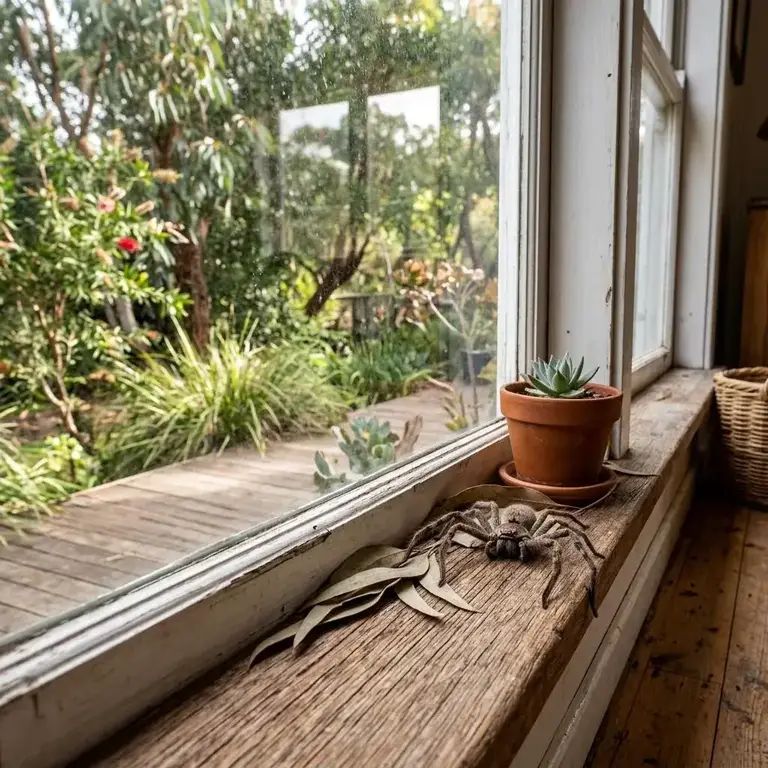
Our spider season guide breaks down when each species is most active, so you can prioritise by spider type: declutter sheds and check outdoor furniture for redbacks, change lighting and remove webs weekly for web-building spiders around eaves, and seal gaps while cutting indoor insects for roaming hunters like the huntsman — which, despite its size, is largely harmless.
Nine times out of ten, the homes with the worst spider problems have the same three issues: a gap under the back door, bright white lights pulling moths in all night, and a garage full of cardboard. Fix those before you spend a dollar on sprays — you’ll solve most of the problem yourself. For redbacks and funnel-webs, though, leave it to a licensed tech.
Work through the nine DIY steps in late winter: seal gaps 2 mm and larger, fit door seals, repair flyscreens, switch outdoor lights to warm-yellow LEDs, knock down webs weekly, declutter sheds, trim vegetation off walls, vacuum skirtings for egg sacs, and fix moisture issues. Then book a professional barrier treatment before December so your home is protected through the summer peak.
Frequently Asked Questions
What is spider proofing and how does it work?
Spider proofing is the practice of sealing entry points, cutting off insect food sources and removing harborage so spiders have no reason to settle inside your home. It works by breaking the food-and-shelter chain rather than spraying individual spiders. Because spiders move indoors chasing shelter and insect prey, removing both makes your home far less attractive to them, dramatically reducing the number you see indoors when done properly.
When is the best time of year to spider-proof my home?
Late winter to early spring is the ideal window, ahead of the December to February peak in spider activity. Activity builds steadily from September onwards as warm nights push insects and the spiders hunting them towards sheltered interiors. Completing your seals, screens and lighting changes before summer means your defences are in place before spiders start looking for ways inside.
What are the warning signs that I need to spider-proof now?
Key signs include webs rebuilding within days of removal, egg sacs in corners or under furniture, insects clustering around outdoor lights, spiders in garages or stacked timber, vegetation touching walls or eaves, damp bathrooms or subfloors, and gaps under external doors or torn flyscreens. Egg sacs are especially urgent because a single sac can hold hundreds of spiderlings.
Which DIY steps make the biggest difference to keeping spiders out?
The highest-impact steps come first: seal gaps 2 mm and larger, fit door seals and repair flyscreens. After that, switch outdoor lights to warm-yellow LEDs to starve spiders of insect prey near doorways and windows, knock down webs weekly, declutter sheds and garages, trim vegetation away from walls, vacuum skirtings for egg sacs, and fix moisture issues that attract the insects spiders eat.
Should I handle redbacks or funnel-webs myself?
No. Redbacks and funnel-webs should never be handled — call a licensed technician for those species. Redbacks favour sheds, letterboxes and outdoor furniture, while funnel-webs are a genuine safety concern in gardens and subfloors in parts of New South Wales and southern Queensland. Professional pest control is the right call whenever these venomous species are involved, using licensed, APVMA-compliant handling and products.
How long does professional spider treatment last compared with DIY sprays?
Supermarket sprays kill on contact but break down quickly, offering days to weeks of protection on reachable areas only. A licensed technician applies a residual barrier around entry points, eaves and the full perimeter that typically keeps working for several months per treatment. For most homes, the winning formula is a one-off professional barrier before summer paired with ongoing DIY habits like sealing gaps and knocking down webs weekly.
How much does professional spider proofing cost in Australia?
Professional spider proofing costs vary depending on your home's size, construction type, and the extent of treatment needed. A general barrier treatment for a typical family home usually falls in a moderate price range, while larger properties or acreage cost more. Targeted treatments for dangerous species and ongoing maintenance plans are typically priced separately. For accurate figures, request quotes from several local pest control providers and compare what each service includes.
Why do some homes have worse spider problems than others?
Nine times out of ten, homes with the worst spider problems share three issues: a gap under the back door, bright white lights pulling moths in all night, and a garage full of cardboard. Housing style matters too — older Queenslanders have open subfloors and wall cavity gaps, brick veneer homes have weep holes and cracked mortar, and weatherboard cottages have movement gaps at every join. Fix those basics before spending money on sprays.
How can Aussie Pest Strike help me plan my spider-proofing next steps?
Aussie Pest Strike can help you work through the nine DIY steps in late winter — sealing gaps, fitting door seals, repairing flyscreens, changing lighting and decluttering — then book a professional barrier treatment before December so your home is protected through the summer peak. A licensed technician can assess your property's entry points, subfloor access and any dangerous species present, then recommend targeted work where needed.
What should I do if webs keep returning after I knock them down?
If webs rebuild within days of removal, spiders consider the spot productive hunting ground and DIY alone may not be enough. Aussie Pest Strike can arrange a licensed technician to apply a residual barrier around entry points, eaves and the perimeter that keeps working for months, alongside advice on sealing the gaps and reducing the insect prey drawing spiders to those areas in the first place.
Sources & further reading
Found Something
Dangerous?
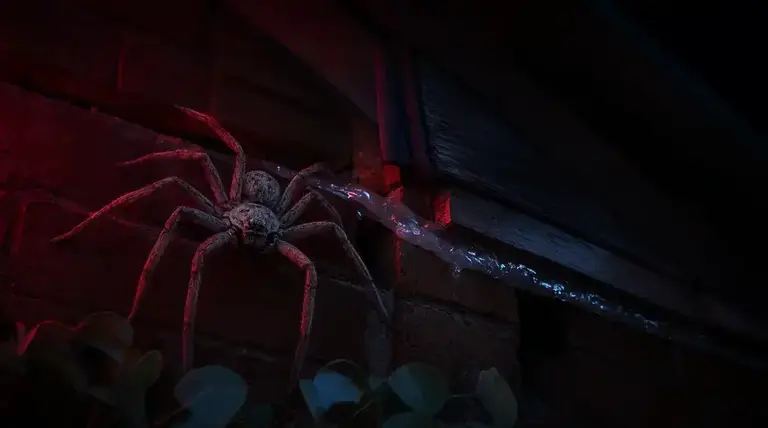
Don’t touch it. Don’t spray it. Keep kids and pets clear, take a photo from a safe distance, and call us — or book a free inspection and we’ll come to you.
02 7235 0050