White-Tail SpiderBites: Separating Factfrom Myth
White-tail spider bites — White tail spider — the white-tail spider does not cause flesh-rotting ulcers that widely believed myth was overturned by...
The white tail spider is one of the most feared and most misunderstood spiders in Australia. Thanks to decades of scary headlines, plenty of homeowners across the country believe a white-tail bite will rot their skin — but the science says otherwise.
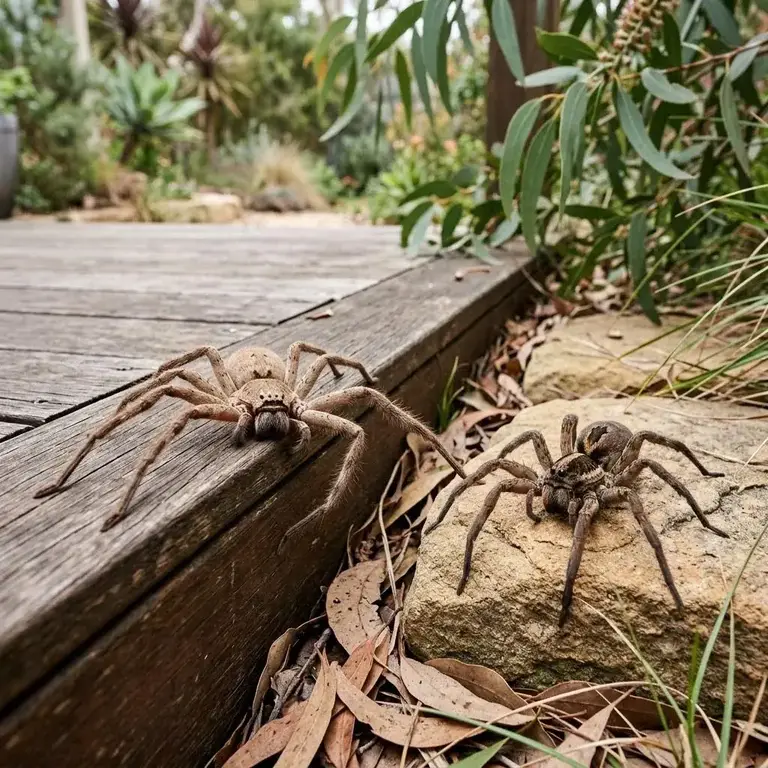
To be clear: a white tail spider is a nocturnal, spider-hunting species (Lampona cylindrata and Lampona murina) whose bite typically causes brief local pain and a small red mark, not flesh-eating ulcers. In this guide we separate fact from myth, explain what a genuine bite looks like, and show you when pest control is worth considering.
- Australian medical research found no cases of skin necrosis in 130 confirmed white-tail bites — the “flesh-rotting” reputation is a myth.
- A genuine bite usually means a pinprick or burning pain and a small red welt that settles within days.
- White-tails hunt other spiders, so repeated sightings indoors usually signal a wider spider problem.
- No antivenom exists or is needed; standard wound care is all most bites require.
- Professional spider treatment targets both white-tails and their prey, typically costing $180–$450 AUD.
Why White Tail Spider Encounters Are So Common Across Australia
White-tails are widespread throughout southern and eastern Australia and thrive in exactly the same urban and suburban environments as people. Because they roam at night rather than sitting in webs, encounters inside homes are frequent and unpredictable.
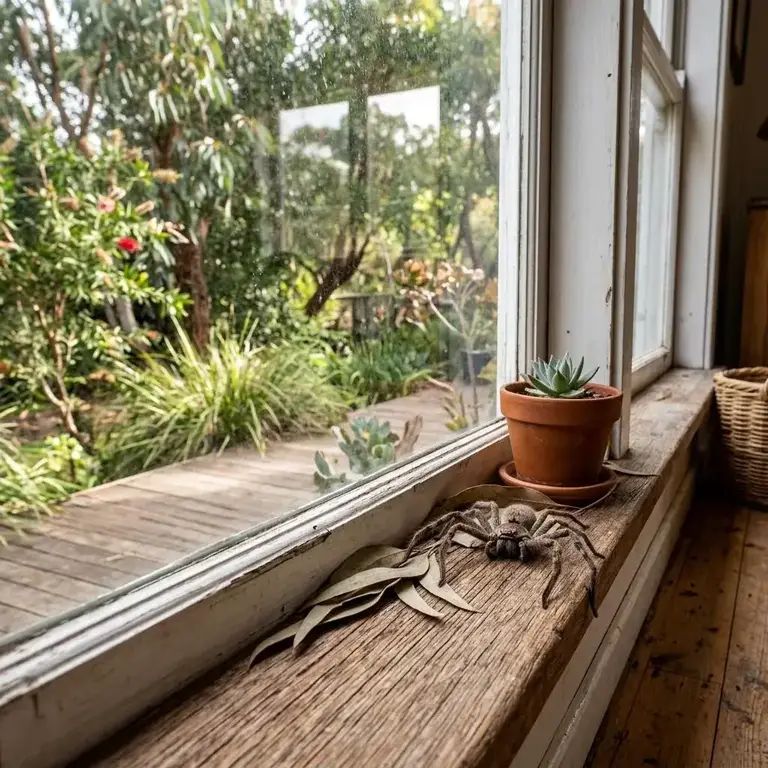
Australian housing gives them plenty of harbourage. Older Queenslanders with subfloor voids, brick veneer homes with weep holes and wall cavities, and slab-on-ground houses with garden beds hard against the walls all provide entry points. They shelter under bark and leaf litter outdoors, then wander inside during warm, humid weather — the kind of conditions much of the east coast sees from spring through autumn. Their habit of hiding in folded clothing, bedding and towels is precisely why they’re so often blamed for skin problems noticed the next morning.
It also helps to keep perspective. Australia has genuinely dangerous spiders — the funnel-web being the standout, which we cover in our Funnel-Web Spider: Identification, Danger and Control guide. White-tails simply aren’t in that league.
Warning Signs You Have a White-Tail Spider Problem
Occasional sightings are normal, but repeated activity points to an established indoor population — and usually to prey spiders feeding them. Watch for these signs.
- Night-time sightings — dark, cigar-shaped spiders (12–18 mm) moving across walls, ceilings or floors after dark.
- The white tip — a creamy-white spot at the end of the abdomen on a reddish-grey body, the tell-tale identification mark.
- Spiders in bedding or towels — white-tails shelter in soft furnishings and clothing left on floors.
- Other spiders present — black house spiders and their messy webs around windows, eaves and cornices are their preferred prey.
- Outdoor harbourage — bark, leaf litter, stacked timber and dense garden beds against the house wall.
- Recurring mystery bites — minor red welts appearing overnight, though always consider other causes before blaming a spider.
Myth vs Fact: What the Research Actually Shows
The “necrotising white-tail bite” story has been formally tested and debunked by Australian toxinology research. A landmark review of 130 confirmed white-tail bites found not a single case of necrosis (dead tissue).
The myth persists because the timeline feels convincing: someone spots a spider in the bedroom, then days later develops a slow-healing sore and joins the dots. In reality, skin ulcers have many causes — bacterial infections such as Staphylococcus, fungal infections and other conditions — and blaming the white-tail can delay the correct diagnosis. Reported bite symptoms are consistent and mild: immediate pinprick or burning pain, a small red itchy welt lasting a few days, and occasionally mild swelling. Clean the area, apply a cold pack, and see a GP if genuine infection signs appear (spreading redness, pus, fever).
| Common belief | What research shows |
|---|---|
| White-tails cause rotting skin | No necrosis in 130 confirmed bites |
| Bites need antivenom | No antivenom exists or is needed |
| They’re aggressive hunters of humans | They hunt other spiders, not people |
| Every spider indoors must be killed | Many species are harmless — see our huntsman guide |
DIY vs Professional Spider Treatment
For a lone white-tail, simple housekeeping is usually enough; for recurring sightings, professional treatment delivers far better long-term results because it removes the prey spiders attracting them. Shake out clothing left on floors, pull beds slightly off walls, vacuum wall–floor junctions and reduce garden debris against the house. But if white-tails keep turning up, a licensed technician can treat harbourage areas and entry points properly. Chemical treatments should always be applied by licensed professionals using APVMA-registered products — no treatment can honestly be called 100% risk-free, which is why application by trained technicians matters.
| Factor | DIY approach | Professional treatment |
|---|---|---|
| Upfront cost | $20–$60 (sprays, vacuum, sealant) | $180–$450 AUD |
| Effectiveness | Short-term; doesn’t address prey spiders | Targets white-tails and their food source |
| Safety | Risk of misusing over-the-counter chemicals | APVMA-registered products, licensed applicators |
| Best for | Occasional single sightings | Recurring activity, large homes, families |
Our Spider Control & Removal service treats internal harbourage zones, eaves, fences and garden perimeters in one visit.
Spider Treatment Costs in Australia (2025–26)
Across Australia, the industry generally charges between $180 and $450 AUD for a standard residential spider treatment, depending on property size and severity. The figures below are typical Australian market rates for 2025–26 — a guide to what pest control companies commonly charge, not a quote from Aussie Pest Strike.
| Service | Typical market rate (AUD) | What’s included/notes |
|---|---|---|
| General spider spray (unit/small home) | $180–$260 | Internal/external perimeter, eaves, harbourage areas |
| Standard house treatment | $250–$350 | Full interior plus exterior, fences, garden perimeters |
| Large home / acreage | $350–$450+ | Extended perimeter, sheds, subfloor or roof void access |
| Annual maintenance plan | $300–$500/yr | Scheduled re-treatments through peak season |
If you’re also dealing with redbacks around sheds or outdoor furniture, our Redback Spider: Identification, Bites and Safe Removal guide covers that higher-risk species in detail.
Worth knowing: Aussie Pest Strike typically comes in well under these typical Australian market rates, without cutting corners on treatment quality. For an exact quote tailored to your property, give us a call on [aps_phone] today.
Seasonal White-Tail Activity in Australia
White-tails are most active indoors from late spring through autumn, peaking in the warm, humid months of December to March. Activity drops in winter but never stops entirely in heated homes.
Jan
Feb
Mar
Apr
May
Jun
Jul
Aug
Sep
Oct
Nov
Dec
Indoor white-tail activity peaks December–March when warmth and humidity push both white-tails and their prey spiders inside. Booking treatment in early spring gets ahead of the summer surge.
In twenty years of spider work, the white-tail’s reputation is the biggest mismatch I’ve seen between fear and actual risk. When a customer shows me white-tails in the bedroom, I start looking for the black house spiders they’re feeding on — fix the prey problem and the hunters move on. That’s what a proper treatment does.
Don’t panic about white-tails — the science is clear their bites are mild. But if you’re seeing them regularly, treat it as a symptom of a broader spider issue. Book a professional inspection, treat the prey population, and use sensible housekeeping (shake out clothes, vacuum edges, clear garden debris) between visits. Spring is the ideal time to act before summer activity peaks.
Frequently Asked Questions
Do white-tail spider bites really cause rotting skin?
No. The flesh-rotting reputation is a myth that persists because people notice a spider in the bedroom and later blame it for a slow-healing sore. Skin ulcers usually have other causes, such as bacterial or fungal infections, so a proper diagnosis matters.
What does a genuine white-tail spider bite look like?
A genuine bite typically causes immediate pinprick or burning pain, followed by a small red, itchy welt that lasts a few days. Mild swelling can occur occasionally. Clean the area, apply a cold pack, and see a GP if signs of infection appear, such as spreading redness, pus or fever. Serious reactions are not expected from this species.
Is there an antivenom for white-tail spider bites?
No antivenom exists for white-tail spider bites, and none is needed. Research shows the bites are mild, causing brief local pain and a small red welt rather than serious illness. Standard wound care is all most bites require. If symptoms worsen or infection signs develop, seek advice from a GP rather than worrying about antivenom.
How do I identify a white-tail spider?
White-tails are dark, cigar-shaped spiders measuring 12 to 18 mm, with a reddish-grey body and a distinctive creamy-white spot at the tip of the abdomen. They roam at night instead of sitting in webs, so you are most likely to see one moving across walls, ceilings or floors after dark, or sheltering in folded clothing, bedding or towels.
Why do I keep finding white-tail spiders inside my home?
Repeated indoor sightings usually signal an established population feeding on prey spiders. White-tails hunt other spiders, particularly black house spiders and their messy webs around windows, eaves and cornices. They enter homes during warm, humid weather through weep holes, wall cavities, subfloor voids and garden beds against walls, then shelter in soft furnishings and clothing left on floors.
When are white-tail spiders most active indoors?
Indoor activity peaks from December to March, when warmth and humidity push both white-tails and their prey spiders inside. They are generally active from late spring through autumn across southern and eastern Australia. Activity drops in winter but never stops entirely in heated homes, which is why early spring treatment is recommended ahead of the summer surge.
Can I deal with white-tail spiders myself?
For a lone spider, simple housekeeping is usually enough: shake out clothing left on floors, pull beds slightly off walls, vacuum wall-floor junctions and reduce garden debris against the house. However, DIY measures only offer short-term relief because they do not address the prey spiders attracting white-tails. Recurring sightings are better handled with professional treatment of harbourage areas and entry points.
What does professional spider treatment involve and what does it cost?
Professional spider treatment typically involves a licensed technician inspecting your property, then applying registered residual products to harbourage areas such as eaves, wall cavities, fences, garden beds and outdoor furniture, while also targeting the prey spiders white-tails feed on. Pricing depends on property size, construction type and infestation severity, so costs vary between providers. An on-site inspection and written quote is the most reliable way to understand what treatment will involve for your home.
Can I check whether Aussie Pest Strike services my area for white-tail spiders?
Yes. Aussie Pest Strike handles spider problems including recurring white-tail sightings, treating internal harbourage zones, eaves, fences and garden perimeters in a single visit. Because service areas vary, the simplest way to confirm coverage for your address is to get in touch directly and describe what you are seeing. The team can advise whether they cover your location and arrange an inspection tailored to your property.
What should I do before booking a white-tail spider treatment with Aussie Pest Strike?
Start by noting where and when you are seeing spiders, since repeated night-time sightings often point to black house spiders acting as their food source. Do some basic housekeeping such as shaking out clothes, vacuuming edges and clearing garden debris, then contact Aussie Pest Strike for an inspection. A technician can assess the prey population and recommend treatment timed ahead of the summer peak.
Sources & further reading
Found Something
Dangerous?
Don’t touch it. Don’t spray it. Keep kids and pets clear, take a photo from a safe distance, and call us — or book a free inspection and we’ll come to you.
02 7235 0050