The AustralianCockroach: ID andControl Guide
The Australian cockroach is a large reddish-brown outdoor species. Learn to identify it and control it around your home. Book a free inspection today.
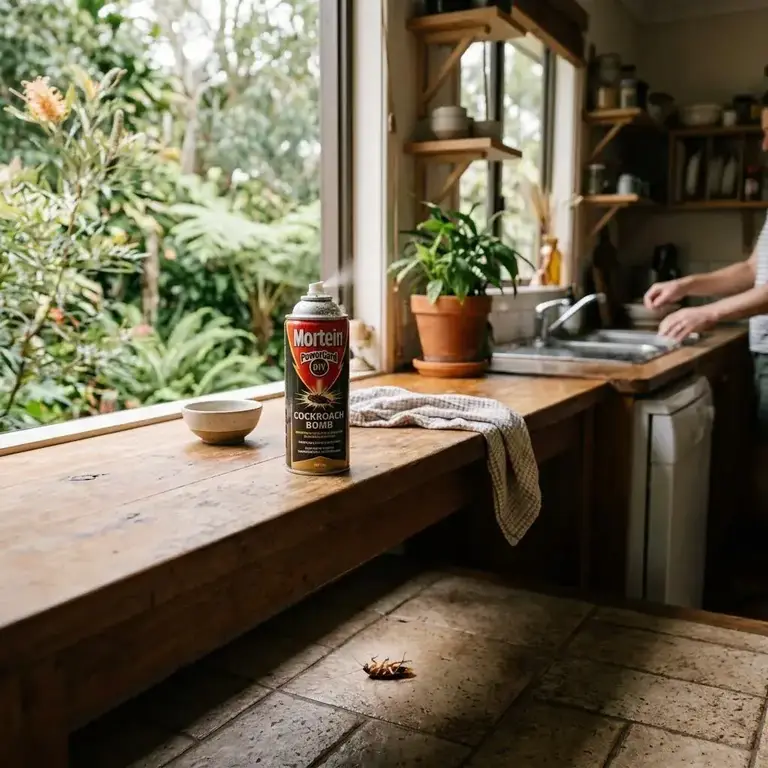
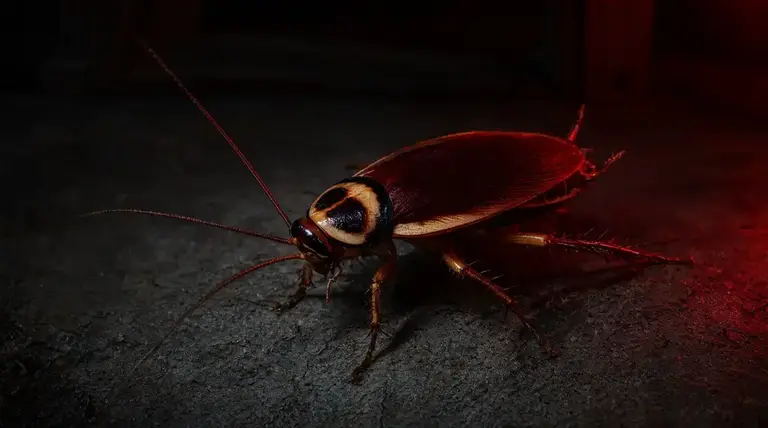
Spotting a large reddish-brown cockroach on your kitchen bench or patio wall is a common experience across Australia, and in most cases the culprit is the Australian cockroach (Periplaneta australasiae). If you’re unsure which species you’ve seen, this guide will help you identify it, understand why it’s appearing and decide on the right control approach. The Australian cockroach is a large, reddish-brown, primarily outdoor cockroach — 30–35 mm long with pale yellow bands on its thorax — that enters homes seeking food, moisture or shelter. Knowing that distinction matters, because it shapes every decision u make about treatment.
Despite the name, this species is not native to Australia, but it has become one of the most widespread large cockroaches around our homes, gardens, compost heaps and sub-floors. Below, we cover identification, warning signs, DIY versus professional pest control options, realistic 2025–26 pricing and seasonal activity, so you can act before an outdoor population turns into a recurring indoor problem.
- The Australian cockroach is 30–35 mm, reddish-brown, with pale yellow bands on the thorax and yellow streaks along the front edge of the wings — key features that separate it from the American cockroach.
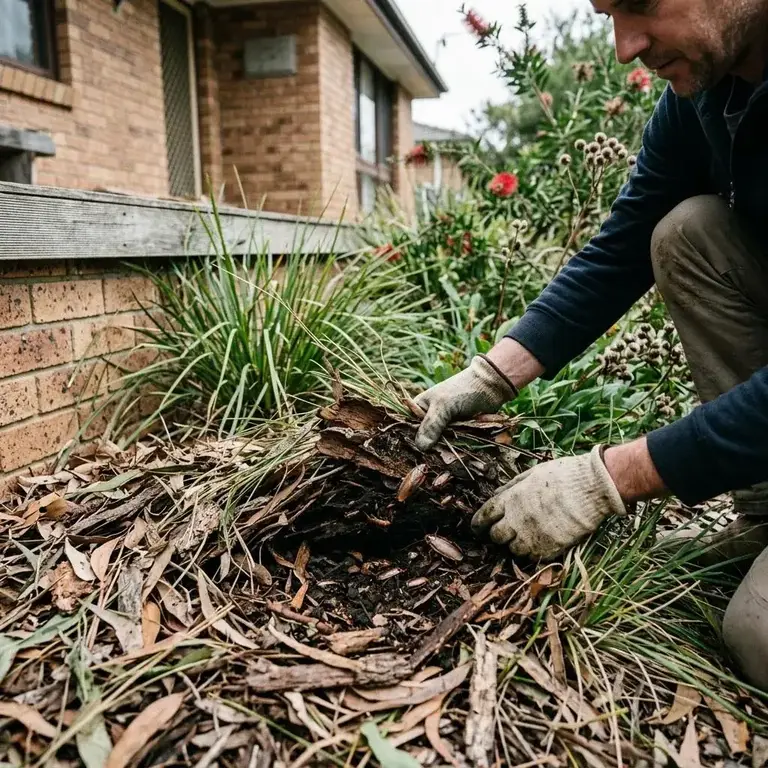
- It lives and breeds mainly outdoors in warm, humid conditions, favouring mulch, compost, greenhouses, bark and sub-floors.
- Indoor sightings usually spike during hot, dry spells or heavy summer rain from December to February.
- Effective control targets the perimeter, garden harbourage and entry points rather than the kitchen alone.
- Typical professional treatment costs in Australia range from around $180 to $450 AUD depending on property size and treatment type.
Why the Australian Cockroach Matters Across Australia
The Australian cockroach matters because it thrives in exactly the warm, humid conditions found across much of the country, and it carries genuine hygiene risks when it moves indoors. Foraging over compost, drains and decaying plant matter, it can pick up bacteria such as Salmonella and E. coli on its legs and body, then transfer them to benchtops and stored food in a single evening.
Australia’s climate and housing styles work in this pest’s favour. Subtropical Queensland and northern NSW offer near-ideal breeding conditions, but Adelaide, Perth and Melbourne see summer surges too. Queenslanders with open sub-floors give roaches shaded, humid harbourage directly beneath the living space. Brick veneer homes offer weep holes and wall cavities, while concrete slab homes still provide entry via door gaps, vents and plumbing penetrations. Garden beds heavy with mulch — a staple of Australian landscaping — are prime breeding territory right against the house. Its shed skins and droppings can also add to indoor allergen loads that aggravate asthma in sensitive people, so dismissing it as “just an outdoor roach” is a mistake.
Warning Signs of an Australian Cockroach Problem
The clearest warning sign is repeatedly seeing large, yellow-banded reddish-brown cockroaches, especially near garden beds, sub-floor vents or entry doors. Watch for the following:
- Banded adults indoors at night — especially in kitchens, laundries and bathrooms, which suggests regular entry rather than a one-off stray.
- Darker, wingless nymphs — juveniles with developing pale markings indicate a breeding population is established nearby, not just visitors flying in.
- Dark, purse-shaped egg cases — the ootheca holds around 24 eggs and is deposited in sheltered, humid spots like mulch, pot plants or stored timber.
- Pepper-like droppings and shed skins — found along skirting boards, in sub-floor corners and around outdoor bins.
- Activity after weather events — surges in sightings after heavy summer rain or prolonged hot, dry spells, when roaches seek moisture or shelter indoors.
If several of these apply, review the 7 Signs of a Cockroach Infestation You Shouldn’t Ignore to gauge how serious the situation is. Also confirm you’re not dealing with a different species — American Cockroaches in Australia: ID and Control Guide covers the most common lookalike, and German Cockroach Infestations: Why They’re So Hard to Kill explains the far more persistent indoor species.
DIY vs Professional Control: What Works Best for u?
DIY prevention — sealing gaps, managing mulch and fixing leaks — is essential and genuinely effective for reducing pressure, but established outdoor populations and repeated indoor entry generally need a professional perimeter treatment. Because this species breeds outdoors, treating only the kitchen rarely solves anything; the source is usually in the garden or sub-floor.
| Factor | DIY approach | Professional treatment |
|---|---|---|
| Best for | Prevention and occasional strays | Recurring sightings and established outdoor breeding |
| Typical actions | Door sweeps, sealing weep holes and vents, mulch management, fixing leaks | Perimeter barrier treatment, sub-floor treatment, species identification |
| Limits | Won’t intercept strong fliers; no residual protection around the perimeter | Higher upfront cost; requires a licensed technician |
| Safety | Low risk if only physical prevention is used | Chemicals applied by APVMA-compliant licensed technicians |
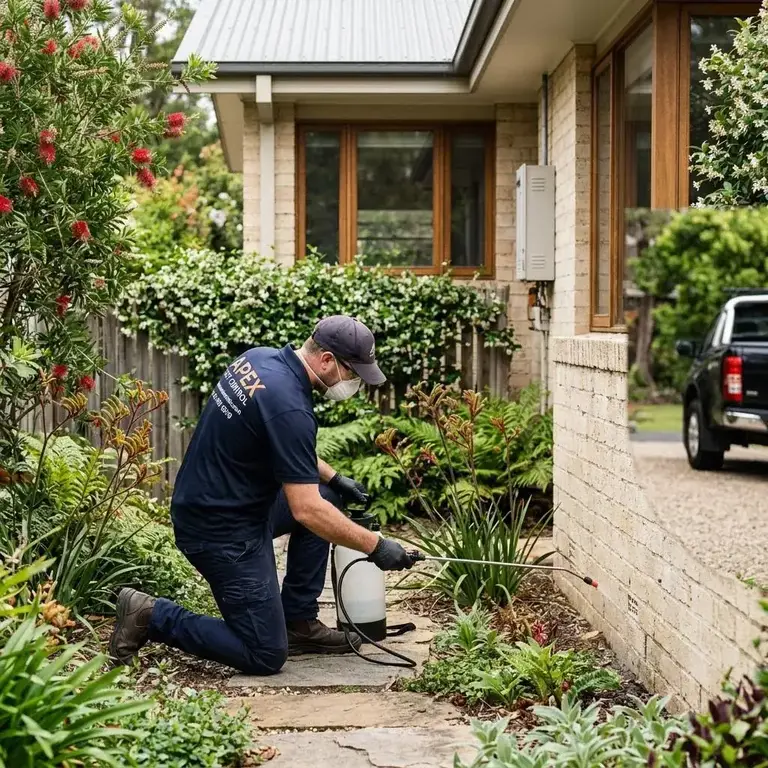
Where chemical treatment is warranted, always use a licensed pest control technician. Our Cockroach Control & Treatment service combines species identification with a targeted perimeter and harbourage program.
How Much Does Cockroach Treatment Cost in Australia?
In the Australian pest control market, professional cockroach treatment generally runs between $180 and $450 AUD for a standard residential property, depending on size, access and treatment scope. The figures below are typical 2025–26 industry market rates across Australia — what the trade generally charges — not a quote from Aussie Pest Strike. What any provider quotes will vary with property type, from a small slab home to a large Queenslander with an open sub-floor.
| Service | Typical market rate (AUD) | What’s included/notes |
|---|---|---|
| Inspection and quote | $0–$99 industry-wide | Species ID, entry points and harbourage assessment |
| Standard perimeter spray | $180–$280 typical market rate | External barrier treatment, typical 3–4 bedroom home |
| Perimeter + sub-floor treatment | $280–$380 typical market rate | Adds sub-floor dusting/spraying for Queenslanders and older homes |
| Comprehensive treatment | $350–$450+ typical market rate | Large properties, heavy infestations, follow-up visit |
These are the going rates you’ll see quoted across the industry, not what you’ll pay with us. Aussie Pest Strike typically comes in well under these market rates while still delivering a thorough, licensed treatment. For an exact quote on your property, give us a call on [aps_phone] today.
Seasonal Activity Across the Year
Australian cockroach activity peaks from late spring through summer, roughly October to March, when warmth and humidity accelerate breeding and flight activity. Cooler months see a sharp drop, though subtropical regions retain some activity year-round.
Jan
Feb
Mar
Apr
May
Jun
Jul
Aug
Sep
Oct
Nov
Dec
Typical Australian cockroach activity pattern: peak season runs December–February, driven by heat, humidity and summer storms that push outdoor roaches indoors. Activity builds from September and falls away through the cooler months.
Nine times out of ten, when a customer shows me a big reddish-brown roach, the source is a mulched garden bed or a damp sub-floor, not the kitchen. We treat the perimeter and the harbourage first, because that’s where the population actually lives. Seal the entries and cut the moisture, and most of the problem takes care of itself.
Start with prevention: fit door sweeps, screen weep holes and vents, pull mulch back from the walls and fix any leaks or sub-floor ventilation issues. If you’re seeing banded adults or nymphs more than occasionally, book a professional perimeter treatment — a licensed technician can confirm the species and intercept the outdoor population before it moves inside.
Frequently Asked Questions
How do I identify an Australian cockroach?
The Australian cockroach is a large, reddish-brown cockroach measuring 30–35 mm long. Key identifying features are pale yellow bands on the thorax and yellow streaks along the front edge of the wings. These markings help separate it from its closest lookalike, the American cockroach. It is primarily an outdoor species that enters homes seeking food, moisture or shelter.
Is the Australian cockroach actually native to Australia?
Despite its name, the Australian cockroach (Periplaneta australasiae) is not native to Australia. However, it has become one of the most widespread large cockroaches around Australian homes, thriving in gardens, compost heaps, mulched garden beds and sub-floors across much of the country.
Where do Australian cockroaches live and breed?
Australian cockroaches live and breed mainly outdoors in warm, humid conditions. They favour mulch, compost heaps, greenhouses, bark and sub-floors. Mulched garden beds against the house are prime breeding territory, while Queenslanders with open sub-floors offer shaded, humid harbourage directly beneath living spaces.
Why am I seeing Australian cockroaches inside my home?
Indoor sightings usually spike during hot, dry spells or heavy summer rain from December to February, when roaches seek moisture or shelter indoors. They enter through door gaps, weep holes, vents and plumbing penetrations. Repeated sightings of banded adults in kitchens, laundries and bathrooms at night suggest regular entry rather than a one-off stray.
Are Australian cockroaches a health risk?
Yes. Foraging over compost, drains and decaying plant matter, they can pick up bacteria such as Salmonella and E. coli on their legs and body, then transfer them to benchtops and stored food. Their shed skins and droppings can also add to indoor allergen loads that aggravate asthma in sensitive people.
What are the warning signs of an Australian cockroach problem?
Warning signs include banded adults indoors at night, darker wingless nymphs with developing pale markings indicating breeding nearby, dark purse-shaped egg cases holding around 24 eggs in sheltered spots like mulch or pot plants, pepper-like droppings and shed skins along skirting boards, and surges in activity after heavy summer rain or prolonged hot, dry weather.
Can I control Australian cockroaches myself?
DIY prevention such as fitting door sweeps, sealing weep holes and vents, pulling mulch back from walls and fixing leaks genuinely reduces pressure. However, because this species breeds outdoors, treating only the kitchen rarely works. Established outdoor populations and repeated indoor entry generally need a professional perimeter treatment targeting the garden harbourage and entry points.
When is Australian cockroach season?
Activity peaks from late spring through summer, roughly October to March, when warmth and humidity accelerate breeding and flight activity. The peak runs December to February, driven by heat, humidity and summer storms that push outdoor roaches indoors. Activity builds from September and falls away through cooler months, though subtropical regions retain some year-round activity.
I have tried the prevention steps but still see Australian cockroaches — what should I do next?
If you have fitted door sweeps, screened vents, pulled mulch back from the walls and fixed leaks but still see banded adults or nymphs more than occasionally, it is time to book a professional perimeter treatment. Aussie Pest Strike can confirm the species on site and target the outdoor population where it actually lives, rather than just treating the kitchen.
How do I get a quote for Australian cockroach treatment from Aussie Pest Strike?
The best next step after reading this guide is to arrange an inspection so the species can be confirmed and entry points and harbourage assessed on your property. Aussie Pest Strike offers species identification combined with a targeted perimeter and harbourage program, and typically comes in well under typical market rates. Contact them to discuss your situation and receive an exact quote for your property.
Sources & further reading
Found Something
Dangerous?
Don’t touch it. Don’t spray it. Keep kids and pets clear, take a photo from a safe distance, and call us — or book a free inspection and we’ll come to you.
02 7235 0050