Coastal Brown Ants:Lawn andGarden Control Guide
Coastal brown ants are controlled in lawns and gardens with protein and oil-based baits placed at their soil nest entrances, not with sweet baits or...
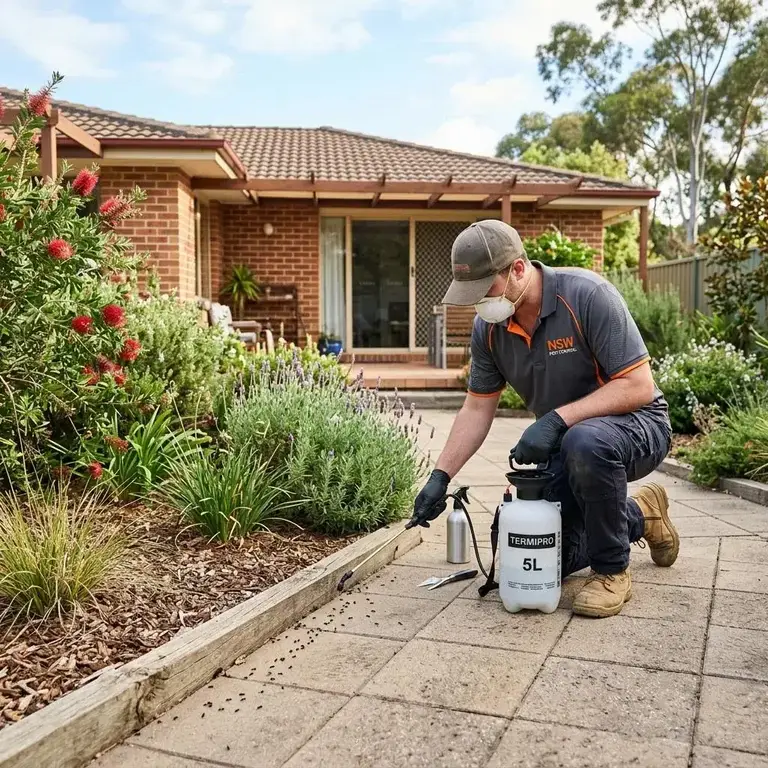
Coastal brown ants are controlled in lawns and gardens with protein and oil-based baits placed at their soil nest entrances — not with sweet baits or broadcast sprays. If you’ve searched “ant pest control o nline” or wandered the hardware aisle wondering which product actually works, this light-brown ant (Pheidole megacephala) is the one throwing up little mounds of loose soil between your pavers, along path edges and through the lawn across coastal Queensland, NSW, WA and the NT.
Put simply, coastal brown ant control means targeting outdoor soil nests with species-matched protein or oil baits while fixing the garden conditions that let colonies thrive. It’s also a serious garden pest because it farms sap-sucking insects, so ignoring it costs you twice — once in undermined paving, and again in damaged plants. This guide walks you through identification, control options, realistic costs and seasonal timing for Australian conditions.
- Coastal brown ants nest in soil, lawns and under pavers — the giveaway is fine granular soil mounds appearing overnight.
- They prefer protein and oil-based baits; sweet gels designed for other species are frequently ignored.
- Colonies have multiple queens, so broadcast spraying causes budding and spreads the infestation.
- These ants farm aphids, scale and mealybugs, so controlling them also protects your garden from sap-sucker outbreaks and sooty mould.
- Professional ant treatment in Australia typically costs $180–$450 depending on property size and colony spread.
Why Coastal Brown Ants Matter Across Australia
Coastal brown ants matter because they thrive in exactly the conditions most Australian homes offer: sandy coastal soils, irrigated lawns, paved entertaining areas and warm year-round temperatures. From Perth’s sandy plain to the Gold Coast, northern NSW and the Top End, disturbed soil around housing gives this species endless nesting real estate.
Australian housing styles make it worse. Homes on concrete slabs see ants excavating along slab edges and expansion joints; older Queenslanders and homes with subfloors offer cool, sheltered voids near garden beds; and brick veneer construction leaves weep holes and path edges that channel foraging trails straight to the house. In sandy coastal soils where drainage is fast, colonies can grow exceptionally large, with multiple interconnected nests across a single yard.
The damage is two-fold. Outdoors, tunnelling undermines pavers, brick edging and slab edges, causing sinking, lifting and uneven surfaces over time. In the garden, the ants “farm” aphids, scale and mealybugs — protecting these pests in exchange for honeydew. Wherever coastal browns thrive, sap-sucker outbreaks and sooty mould follow, so getting the ants under control is genuinely a plant-protection measure as much as a pest control one.
Warning Signs: How to Recognise a Coastal Brown Ant Problem
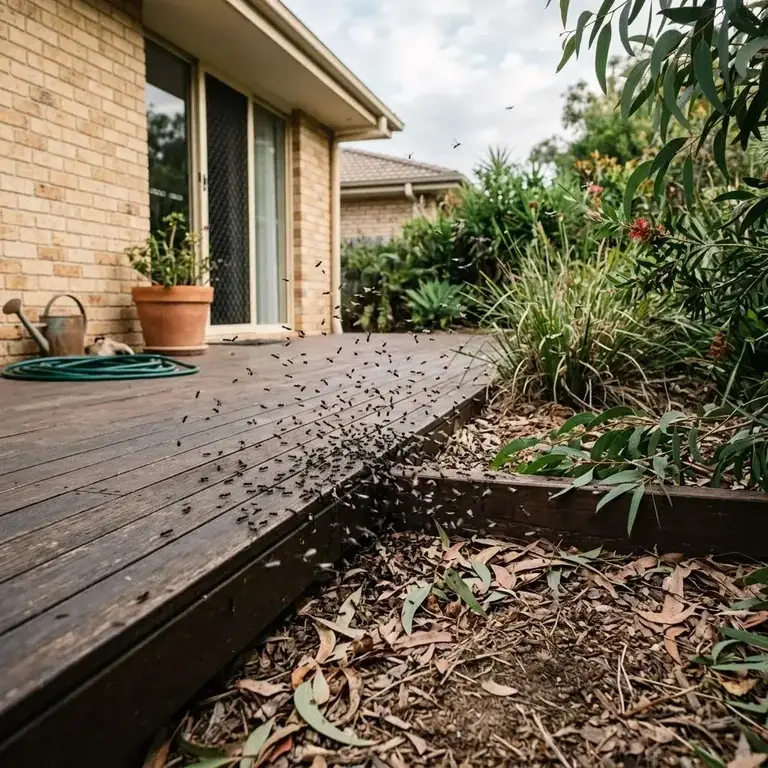
The clearest sign of coastal brown ants is displaced soil — fine granular mounds appearing overnight around brickwork, retaining walls, paver joints and lawn edges. Workers come in two sizes, which is another strong identifier.
- Fine soil mounds overnight. Small piles of loose, granular soil pushed up between pavers, along path edges and through turf are the classic calling card.
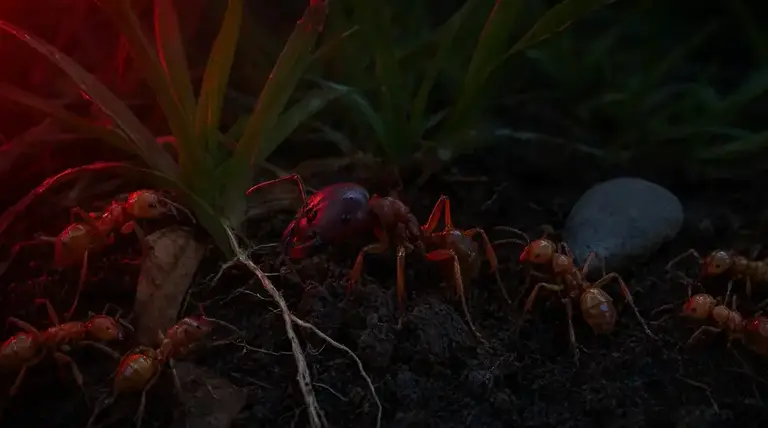
- Two worker sizes. Tiny 1.5 mm minor workers do the foraging, while larger 3 mm “major” workers with oversized seed-cracking heads stay close to the nest — you’ll rarely see majors on trails.
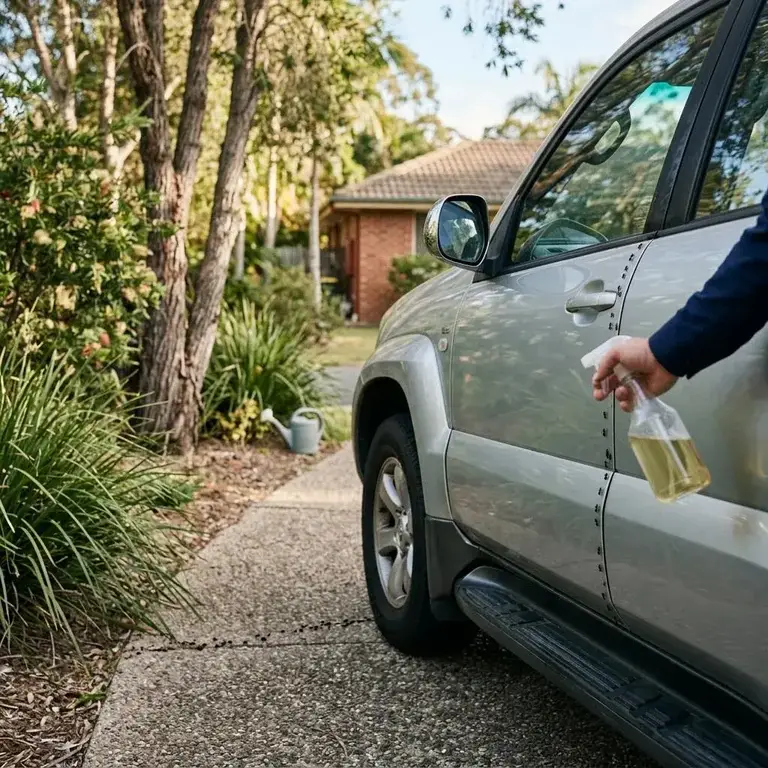
- Heavy trails along edges. Dense ant highways following paver joints, garden edging, retaining wall bases and slab perimeters.
- Sinking or wobbly pavers. Uneven paths and dislodged brick edging caused by soil excavated from beneath, especially common in sandy coastal ground.
- Aphid and scale outbreaks. Persistent sap-sucker infestations and sooty mould on shrubs and ornamentals often trace back to ants protecting them.
- Indoor foraging for greasy food. Scouts turning up around pet bowls, oil splashes and protein scraps — though the nest itself stays outdoors.
If you’re not certain which species you’re dealing with, check our guide to common Australian ant species found in homes before spending a cent on product. Coastal browns are often confused with black house ants, but as our black house ant control guide explains, that species nests in wall and roof voids and chases sweet baits — a very different treatment.
DIY vs Professional Coastal Brown Ant Control
DIY control works for small, localised infestations if you use the right bait in the right place; widespread colonies with multiple nests almost always need professional treatment. The core DIY plan is straightforward: bait with protein and oils (sweet gels are often ignored), place baits directly at nest entrances by following trails back to the soil mounds, water lawns deeply but less often so surface soil dries out between sessions, and treat the sap-sucking insects so the ants lose their honeydew reward.
The trap is that coastal brown colonies are large with multiple queens. Knocking out one visible nest leaves satellite nests intact, and broadcast spraying triggers budding — the colony splits and relocates, exactly as we cover in why sprays often make ant problems worse. Correct identification matters too: a sweet bait aimed at the wrong ant wastes weeks.
| Factor | DIY approach | Professional treatment |
|---|---|---|
| Best for | One or two visible nests, small yards | Multiple nests, large blocks, recurring infestations |
| Products used | Retail protein/oil granular or gel baits | APVMA-registered professional baits and nest treatments applied by licensed technicians |
| Typical cost | $20–$60 in product | $180–$450 depending on property size |
| Timeframe | Several weeks of persistent re-baiting | Often one visit plus follow-up, with colony-level knockdown |
| Risk of making it worse | High if you spray or use the wrong bait | Low — species-matched baiting avoids budding |
| Species confirmation | Self-identified, often wrong | Confirmed on inspection before treatment |
A licensed technician’s chemical treatments are applied under APVMA-registered label directions, which is why we recommend professional application rather than mixing or over-applying products yourself.
How Much Does Coastal Brown Ant Pest Control Cost in Australia?
Across the Australian market in 2025-26, professional coastal brown ant treatment generally runs between $180 and $450, depending on property size, colony spread and whether follow-up visits are needed. Industry-wide, larger blocks in coastal QLD, WA and the NT with heavy sandy-soil nesting tend to be quoted toward the top of that range, while a small suburban yard with one active area usually attracts quotes at the lower end.
| Service | Typical market rate (AUD) | What’s included/notes |
|---|---|---|
| Inspection and species identification | Free–$120 | Nest mapping, species confirmation, written quote; some operators charge, many don’t |
| Targeted baiting program (small yard) | $180–$280 | Protein/oil baits placed at nest entrances, trail treatment |
| Full property ant treatment | $280–$450 | Multiple nest treatment, perimeter work, larger or sandy-soil blocks |
| Follow-up visit | $90–$180 | Re-baiting and monitoring; often needed for multi-queen colonies |
| Garden sap-sucker treatment add-on | $80–$150 | Removes the honeydew reward that sustains the colony |
Compare those market rates to DIY: $20–$60 in retail bait, but potentially months of persistence, and a real risk of spreading the colony if you reach for a spray can instead. Our Ant Control & Nest Treatment service is built around species-matched baiting for exactly this reason. And if ants are already raiding your pantry, our Silverfish & Pantry Pest Control team handles indoor foragers as part of a broader treatment plan.
Here’s the good news: Aussie Pest Strike typically comes in well under these typical Australian market rates, without cutting corners on treatment quality. For an exact quote tailored to your property, give us a call on [aps_phone] today.
Seasonal Activity: When Coastal Brown Ants Are Most Active
Coastal brown ants are most active from late spring through autumn, peaking in the warm, wet months of December to March, with activity dropping off in the cooler southern winter. In Queensland, WA’s north and the NT, warm soil means activity stays high almost year-round, while southern NSW and Perth see a clearer winter lull.
Jan
Feb
Mar
Apr
May
Jun
Jul
Aug
Sep
Oct
Nov
Dec
Typical coastal brown ant activity across Australia. Warm, moist soil from late spring through autumn drives peak mound-building and foraging; northern regions stay active through winter, while southern states see a clearer cool-season dip. Early spring (September–October) is the ideal time to start a baiting program before colonies hit full strength.
Timing your treatment matters. Baiting in early spring, before colonies expand, gives the best knockdown. Once summer irrigation and storms keep surface soil damp, nesting accelerates and mounds multiply — which is why persistence with the right bait over several weeks is the key to lasting results in sandy coastal suburbs.
While you’re managing the garden, protect the hard surfaces too. Only re-sand paver joints after the colony is controlled, or the ants simply re-excavate. Keep garden beds and lawns evenly watered rather than saturated at the edges where nesting concentrates, clear leaf litter from path edges that shelter foraging trails, and check retaining walls and garden edging annually — these are favourite nesting cavities.
Nine times out of ten, when a customer tells me they’ve “tried everything” for coastal browns, I find sweet bait sitting untouched next to an active nest. These ants want protein and grease, and they want it delivered to the nest entrance — not sprayed across the lawn. Get those two things right and the colony does the hard work for you, carrying the bait straight back to the queens.
Confirm the species first, then run a protein/oil baiting program placed directly at nest entrances — never broadcast spray. If mounds cover more than a few square metres, pavers are already shifting, or DIY baiting has stalled after three to four weeks, book a professional treatment. Multi-queen colonies in sandy coastal soil rarely collapse from a single retail bait, and a licensed technician can treat every nest in one coordinated program.
Frequently Asked Questions
How do I identify coastal brown ants in my lawn or garden?
Look for fine, granular mounds of loose soil appearing overnight between pavers, along path edges, retaining walls and lawn edges. Coastal brown ant workers come in two sizes: tiny 1.5 mm minor workers that forage on dense trails, and larger 3 mm major workers with oversized heads that stay near the nest. Sinking or wobbly pavers and persistent aphid or scale outbreaks are also common signs.
What is the best way to control coastal brown ants?
Use protein and oil-based baits placed directly at soil nest entrances. Sweet gels designed for other species are frequently ignored by coastal brown ants. Follow foraging trails back to the mounds to find nest entrances, water lawns deeply but less often so surface soil dries between sessions, and treat sap-sucking insects so the colony loses its honeydew reward.
Why should I avoid spraying coastal brown ant nests?
Coastal brown ant colonies are large with multiple queens. Broadcast spraying triggers budding, where the colony splits and relocates to new nests, spreading the infestation rather than eliminating it. Knocking out one visible nest also leaves satellite nests intact. Species-matched baiting at nest entrances avoids this problem and targets the whole colony instead.
Why do coastal brown ants damage garden plants?
These ants farm sap-sucking insects such as aphids, scale and mealybugs, protecting them in exchange for honeydew. Wherever coastal browns thrive, sap-sucker outbreaks and sooty mould follow. Controlling the ants removes the protection these pests rely on, making ant treatment a genuine plant-protection measure as well as a pest control one.
Where do coastal brown ants nest?
They nest in soil, lawns and under pavers, thriving in sandy coastal soils across Queensland, NSW, WA and the NT. Around homes they excavate along slab edges and expansion joints, in subfloor voids near garden beds, and through weep holes and path edges in brick veneer construction. In fast-draining sandy soils, colonies can grow very large with multiple interconnected nests.
When is the best time of year to treat coastal brown ants?
Early spring, around September to October, is ideal because baiting before colonies reach full strength gives the best knockdown. Activity peaks from late spring through autumn, especially December to March when warm, moist soil drives mound-building and foraging. Northern regions such as Queensland, WA's north and the NT stay active almost year-round, while southern areas see a winter lull.
Can I get rid of coastal brown ants myself?
DIY control can work for small, localised infestations with one or two visible nests. Use retail protein or oil-based granular or gel baits at nest entrances and re-bait persistently over several weeks. Widespread colonies with multiple nests usually need professional treatment, because DIY efforts carry a high risk of spreading the colony if you spray or use the wrong bait.
How much does professional coastal brown ant treatment cost in Australia?
Professional coastal brown ant treatment costs vary with property size, the extent of colony spread and whether follow-up visits are required. Small yards with a single active nesting area usually need less work, while larger blocks in coastal regions with heavy sandy-soil nesting demand more extensive treatment. Because colonies contain multiple queens, technicians often schedule return visits to ensure the infestation is fully controlled.
What happens during an Aussie Pest Strike inspection for coastal brown ants?
An inspection confirms the species before any treatment begins, which matters because coastal brown ants are often confused with black house ants that respond to completely different baits. The technician maps active nests, checks paver joints, slab edges and garden beds for soil mounds and trails, then recommends a species-matched baiting program suited to your yard and colony spread.
Should I book Aussie Pest Strike if my DIY baiting has not worked?
Yes, particularly if you have used sweet baits that were ignored, sprayed nests and seen new mounds appear elsewhere, or keep finding fresh soil piles after weeks of re-baiting. These are signs of multiple satellite nests that need professional attention. An Aussie Pest Strike technician can confirm the species, locate all nests and apply APVMA-registered baits under label directions.
Sources & further reading
Found Something
Dangerous?
Don’t touch it. Don’t spray it. Keep kids and pets clear, take a photo from a safe distance, and call us — or book a free inspection and we’ll come to you.
02 7235 0050