Daddy Long-Legs:Australia’s MostMythologised Spider
Daddy long-legs australia's — Daddy long legs — no, the daddy long-legs is not "the most venomous spider in the world with fangs too short to bite" that...
Few creatures in Australia carry as much folklore as the daddy long legs, the spindly cellar spider hanging in the corner of almost every shed, garage and laundry from Cairns to Hobart. The most repeated claim — that it is the deadliest spider on earth with fangs too short to bite you — is a complete myth with zero scientific support, yet it refuses to die.
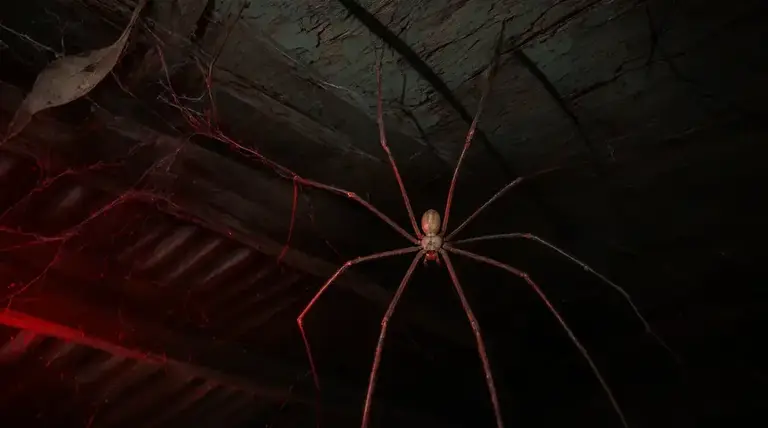
A daddy long legs (Pholcus phalangioides) is a small, pale, harmless house spider with a body of just 7–10 mm and legs spanning up to 50 mm, and it builds loose, tangled webs in ceiling corners and quiet spaces. Whether you tolerate it, relocate it or treat a heavy infestation is a genuine pest control decision, and this guide gives you the facts to make it properly.
- The daddy long legs is not dangerously venomous — its venom is weak and no medically significant bite has ever been recorded in Australia.
- The name is shared by three unrelated animals: the pholcid cellar spider, the crane fly and the harvestman.
- Pholcids genuinely prey on other spiders, including redbacks, so a few in the garage act as natural control.
- Heavy webbing usually signals an abundant insect food supply — reduce prey and spider numbers fall within weeks.
- Professional spider treatments across Australia typically cost $150–$350, with follow-up visits cheaper than initial services.
Why the Daddy Long Legs Thrives in Australian Homes
The daddy long legs thrives in Australian homes because it is superbly adapted to our housing styles and climate extremes. It tolerates dry, air-conditioned interiors through a Queensland summer just as comfortably as the cool subfloor of a Melbourne or Adelaide winter, which is why it is active year-round rather than peaking only in December to February like many other species.
Australian construction suits it perfectly. Elevated Queenslanders and older brick veneer homes on stumps offer dark, undisturbed subfloors where pholcids breed steadily, while modern slab-on-ground homes still provide ceiling corners, garages, alfresco areas and eaves. Females guard a loose ball of 20–30 eggs held in their fangs rather than a solid silk sac, and in warm conditions a single spider can produce several broods in a year. That steady, low-level breeding is exactly why the webs seem to reappear no matter how often you sweep — knock one web down and a neighbouring female is already raising the next generation.
The same sheltered conditions that suit pholcids also attract genuinely dangerous species. Redbacks favour dry, undisturbed spots around outdoor furniture and meter boxes — see our guide to Redback Spider: Identification, Bites and Safe Removal — while Huntsman Spiders: Dangerous or Harmless Housemates? explains the big brown spider that startles everyone but hurts almost no one. In eastern NSW and south-east Queensland, knowing what a funnel-web looks like matters far more than worrying about a pholcid — our article on Funnel-Web Spider: Identification, Danger and Control covers that in detail.
Warning Signs You Have a Daddy Long Legs Problem
A few webs in the shed are normal and even helpful; a genuine problem is dozens of active webs across living areas, garages or outdoor entertaining spaces. Watch for these signs:
- Heavy ceiling webbing — tangled, irregular webs accumulating in corners of kitchens, bedrooms or patios faster than you can sweep them.
- Multiple egg clusters — females carrying pale, loose balls of eggs in their fangs, signalling active breeding indoors.
- Dust-laden abandoned webs — grey, sagging webbing that collects dust and dead insects, making rooms look neglected.
- High insect activity — moths, mosquitoes and small flies around outdoor lights, which sustain a larger spider population.
- Webs reappearing within days — a clear sign the population is established, not just a couple of wanderers.
- Spreading into living zones — pholcids moving from the garage or subfloor into bedrooms, bathrooms and living rooms.
One behaviour worth knowing: when disturbed, a daddy long legs vibrates rapidly in its web. This “gyrating” is a defensive bluff designed to blur its outline to predators — it is not aggression, and the spider cannot hurt you regardless.
DIY vs Professional Spider Control
Light webbing is a five-minute DIY job with a broom or vacuum, but recurring infestations usually need the underlying insect food supply addressed — and that is where professional pest control earns its keep. Here is how the two approaches compare:
| Factor | DIY approach | Professional treatment |
|---|---|---|
| Immediate web removal | Effective — soft brush or vacuum | Included, plus treatment of harbourage areas |
| Stopping webs returning | Temporary — webs often reappear in days | Residual surface treatment deters re-establishment for months |
| Reducing the food supply | Possible — adjust lighting, flyscreens, declutter | General pest treatment targets the insects spiders feed on |
| Subfloor and roof void access | Difficult and often unsafe | Licensed technicians treat these areas safely |
| Chemical use | Off-the-shelf sprays, variable results | APVMA-registered products applied by licensed technicians |
| Upfront cost | $0–$40 | $150–$350 for a standard home |
For most households, the sensible middle ground is tolerance plus housekeeping: leave pholcids alone in low-traffic zones like subfloors and garages where they quietly hunt other spiders, and clear webs from kitchens, bedrooms and entertaining areas. If numbers become genuinely excessive, our Spider Control & Removal service treats both the spiders and the insects sustaining them.
Spider Treatment Costs in Australia (2025–26)
Across the Australian pest control industry in 2025–26, professional spider treatment for a standard home generally costs between $150 and $350, depending on property size, construction type and whether internal, external or subfloor areas are included. These are typical market rates charged by operators around the country:
| Service | Typical market rate (AUD) | What’s included / notes |
|---|---|---|
| Standard spider spray (3–4 bed home) | $150–$280 | External perimeter, eaves, fences, windows; internal skirting if needed |
| Full internal + external treatment | $220–$350 | Roof void and subfloor dusting where accessible, web removal |
| Large or acreage property | $300–$450+ | Sheds, outbuildings, extensive perimeters quoted on inspection |
| Follow-up / maintenance visit | $120–$200 | Cheaper than the initial service; keeps residual protection active |
Chemical treatments should always be carried out by licensed technicians using APVMA-registered products, applied according to label directions. No reputable operator will promise any treatment is “100% safe” or offer blanket guarantees — realistic expectations and a service warranty period are what to look for.
One thing worth knowing: Aussie Pest Strike typically comes in well under these general market rates, without cutting corners on product quality or thoroughness. For an exact quote tailored to your property, give us a call on [aps_phone] — we’ll tell you straight up what the job will cost.
Seasonal Activity: When Daddy Long Legs Are Most Active
Daddy long legs are active in Australian homes all year, but numbers build through the warmer months when insect prey is abundant and breeding accelerates, then taper slightly through winter indoors. Typical activity pattern:
Jan
Feb
Mar
Apr
May
Jun
Jul
Aug
Sep
Oct
Nov
Dec
Indicative activity levels for pholcid cellar spiders in Australian homes. Peaks in December–March reflect warm temperatures, multiple broods and abundant flying insects; winter dips are modest because heated interiors and subfloors stay liveable year-round.
Nine times out of ten, when a customer calls about a spider problem, it’s daddy long-legs webbing — and honestly, a few of them in the shed are doing you a favour by hunting redbacks. The real fix when webs take over the house is treating the insects they’re feeding on. Cut the food supply and the spiders sort themselves out.
Tolerate daddy long-legs in the garage, shed and subfloor — they are free, natural predators of worse spiders. Vacuum webs from living areas, cut insect numbers around lights, and book a professional treatment only if webbing keeps returning within days of cleaning or spiders are spreading into bedrooms and living spaces.
Frequently Asked Questions
Is the daddy long legs really the most venomous spider in the world?
No. The claim that daddy long legs are deadly but have fangs too short to bite humans is a complete myth with no scientific support. Pholcid cellar spiders have weak venom, and no medically significant bite has ever been recorded in Australia. They are small, pale house spiders with a body of just 7–10 mm and pose no genuine danger to people.
What animals share the name daddy long legs in Australia?
The name is used for three unrelated creatures: the pholcid cellar spider (Pholcus phalangioides) that builds tangled webs indoors, the crane fly, which is a flying insect often mistaken for a spider, and the harvestman, an arachnid that is not a spider at all. Only the pholcid is the web-spinning house spider most Australians mean when they talk about daddy long legs.
Do daddy long legs eat redbacks and other dangerous spiders?
Yes. Pholcids genuinely prey on other spiders, including redbacks, so a few living quietly in your garage or shed act as free natural pest control. This is why many households tolerate them in low-traffic zones like subfloors and outbuildings, while still clearing webs from kitchens, bedrooms and entertaining areas where they become a nuisance.
Why do daddy long legs webs keep coming back after I sweep them away?
Females carry loose balls of 20–30 eggs in their fangs rather than a silk sac, and in warm conditions one spider can produce several broods a year. Knocking down a single web does little because neighbouring females are already raising the next generation. Webs reappearing within days usually signals an established population supported by abundant insect prey.
What are the warning signs of a real daddy long legs problem?
A few webs in the shed are normal, but watch for heavy ceiling webbing accumulating faster than you can sweep it, females carrying egg clusters, grey dust-laden abandoned webs, high insect activity around outdoor lights, webs reappearing within days of cleaning, and spiders spreading from garages or subfloors into bedrooms, bathrooms and living rooms.
Why do daddy long legs vibrate or gyrate when disturbed?
When disturbed in its web, a daddy long legs vibrates rapidly — a behaviour known as gyrating. This defensive bluff blurs its outline to predators, making it harder to target. It is not aggression, and the spider cannot hurt you regardless. The vibration is simply a survival tactic against birds and other animals that might prey on it.
When are daddy long legs most active in Australian homes?
Daddy long legs are active year-round because they tolerate both dry air-conditioned interiors and cool subfloors. Numbers build through the warmer months, peaking around December to March when insect prey is abundant and breeding accelerates with multiple broods. Winter dips are modest because heated interiors and sheltered subfloors stay liveable throughout the year.
How can I reduce daddy long legs numbers without chemicals?
Cut their food supply. Daddy long legs feed on moths, mosquitoes and small flies, so adjust outdoor lighting that attracts insects, fit flyscreens, declutter undisturbed corners, and vacuum or brush away webs regularly. Reduce the insect prey around your home and spider numbers typically fall within weeks, making DIY control effective for light infestations.
What signs will a technician look for when assessing my daddy long legs problem?
Aussie Pest Strike technicians assess whether you have a few harmless pholcids or a genuine infestation by checking for heavy ceiling webbing, egg-carrying females, dust-laden abandoned webs and spiders spreading into living areas. They also look at the insect activity sustaining the population, such as moths and flies around lights, plus access points like subfloors and roof voids where pholcids breed steadily.
What should I do if daddy long legs webs keep returning after cleaning?
If webs reappear within days of sweeping, the population is established and the underlying insect food supply needs addressing alongside the spiders themselves. Aussie Pest Strike treats both the pholcids and the insects they feed on, targeting harbourage areas as well as visible webbing. Before booking, try adjusting lighting, fitting flyscreens and decluttering corners, then call for advice tailored to your property.
Sources & further reading
Found Something
Dangerous?
Don’t touch it. Don’t spray it. Keep kids and pets clear, take a photo from a safe distance, and call us — or book a free inspection and we’ll come to you.
02 7235 0050