Mud Dauber Wasps:Should YouRemove Their Nests?
Mud dauber wasps are solitary and rarely sting. Learn when to remove their mud nests and how to tell them from dangerous wasps. Free quote from Aussie Pest.
Mud dauber wasps are solitary, non-aggressive wasps, and their distinctive mud nests rarely need removing unless they are indoors, on machinery or causing a nuisance. Across Australia — from coastal Queensland to southern brick veneer suburbs — these slender wasps turn up under eaves, in sheds and around garden taps every warm season, and the first question most homeowners ask is a simple one: should u knock the nest down or leave it be?
In most cases, the answer is to leave it. Unlike social wasps, mud daubers do not defend their nests and almost never sting people. Understanding what a mud dauber wasp is helps you decide whether to leave the nest alone or clear it, and this guide walks you through identification, the real risks, removal costs and when to call a licensed pest control technician.
- Mud daubers are solitary wasps that build finger-width mud tube nests; they do not defend them and very rarely sting.
- They are genuinely beneficial — each cell is stocked with paralysed spiders, helping keep spider numbers down around your home.
- Only remove nests that are indoors, blocking vents or air intakes, or built up on machinery and electrical equipment.
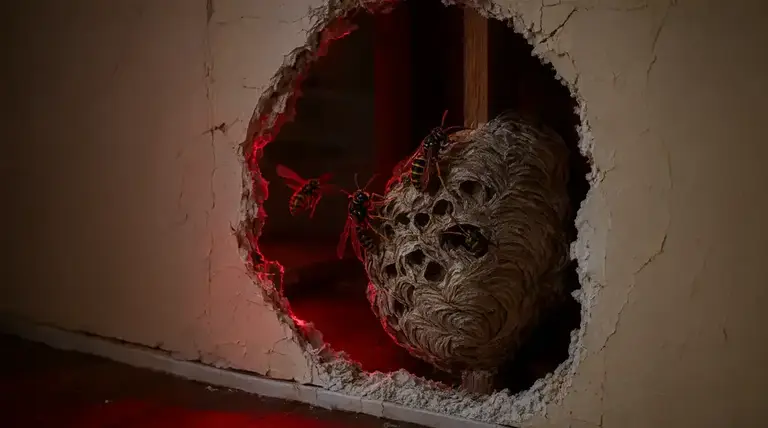
- If the nest is papery grey comb rather than mud, you may be dealing with paper wasps or European wasps — do not DIY.
- Professional wasp treatment in Australia typically costs $150–$450 AUD depending on nest size, species and access.
What mud dauber wasps are and why they matter in Australia (u)
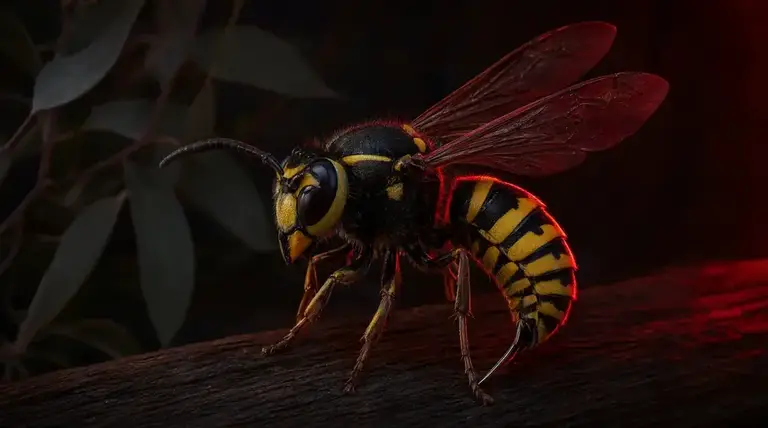
A mud dauber wasp is a solitary wasp that builds tube or jug-shaped nests from wet mud, stocking each cell with paralysed spiders as food for a single larva — that definition alone tells you most of what u need to know about the risk level. Several species occur across Australia, including the common blue mud dauber and orange-and-black species. They are slender, often black or metallic blue-black, around 20–25 mm long, with a very thin, thread-like waist.
Australian conditions suit them perfectly. Our long warm seasons mean females can collect wet mud from garden taps, puddles and downpipe drips for much of the year, and our housing gives them endless sheltered building sites: the eaves of brick veneer homes, the open subfloor and verandah ceilings of Queenslanders, sheds, garages and carports on slab construction. Each cell is a self-contained nursery — the female lays a single egg on the paralysed spiders, seals the cell with mud, and moves on. She does not tend the nest afterwards and there is no colony to defend, which is the fundamental reason mud daubers are so placid compared with social wasps.
Warning signs: how to recognise a mud dauber nest
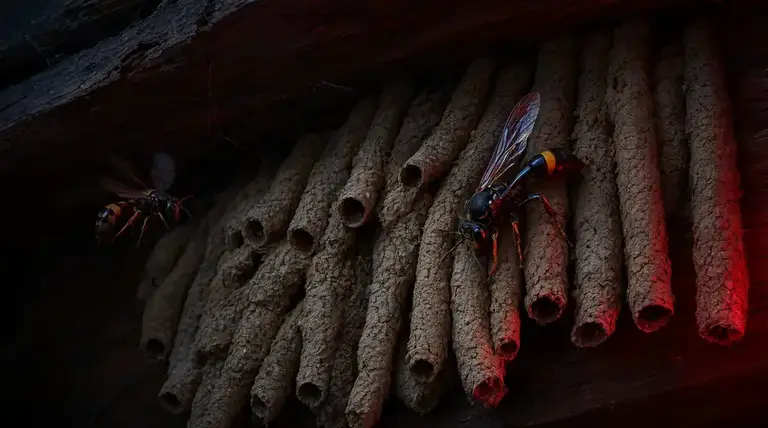
A mud dauber nest is a small cluster of hardened grey-brown mud tubes, each roughly the size and width of a finger, usually in a sheltered spot with a single wasp coming and going — not a swarm. Check these signs before u decide anything:
- Pipe-organ mud tubes — small clustered tubes or a rough clay lump on sheltered walls and ceilings.
- Location — common under eaves, in sheds, garages, carports and behind machinery or stored equipment.
- Texture and colour — grey-brown, hardened mud, not papery grey comb.
- Traffic — one wasp arriving with mud or spiders, never dozens of workers defending an entrance.
- Sound — active cells can rattle faintly, holding stored spiders and a developing larva.
- Exit holes — neat round holes chewed in the tubes mean the young wasps have emerged and the nest is old and empty.
If what you are seeing is a papery comb with heavy wasp traffic, stop and treat it as a stinging species until proven otherwise. Our guide to European Wasps in Australia: Identification and Dangers shows what a genuinely defensive nest looks like.
Mud daubers vs social wasps
The key to your decision is that mud daubers behave nothing like the wasps that cause trouble in Australian backyards. Because they hunt spiders, mud daubers are genuinely beneficial and help keep spider numbers down.
| Feature | Mud dauber | Paper or European wasp |
|---|---|---|
| Nest material | Mud tubes | Papery grey comb |
| Social behaviour | Solitary | Colony of many |
| Aggression | Very low, rarely stings | Defensive, stings readily |
| Removal urgency | Usually optional | Treat promptly, professionally |
DIY vs professional removal
An old, vacated mud dauber nest can be scraped off and the surface wiped down once you are certain it is inactive — that is the one genuinely DIY-safe scenario. Anything active, anything you cannot confidently identify, or anything near electrical equipment is a job for a licensed technician; our article on Wasp Nest Removal: Why You Should Never DIY explains the risks of misidentifying a stinging species.
| Factor | DIY | Professional |
|---|---|---|
| Best for | Old, vacated mud nests only | Active nests, unknown species, heights, electrical gear |
| Sting risk | Low if truly inactive; high if misidentified | Managed with protective equipment and APVMA-approved products |
| Identification | Guesswork | Confirmed species before treatment |
| Cost | Free (scraper and a cloth) | Typically $150–$450 AUD |
How much does wasp nest removal cost in Australia?
Across the Australian market, professional wasp and mud dauber nest treatment generally runs between $150 and $450 AUD in 2025-26, depending on species, nest size, height and access. These are typical industry-wide rates rather than any one company’s pricing. Confirmed inactive mud dauber nests sit at the cheaper end of the market; defensive social wasps attract higher standard charges across the industry because of the risk and equipment involved.
| Service | Typical market rate (AUD) | What’s included/notes |
|---|---|---|
| Inspection and nest identification | $0–$90 | Industry-wide, often waived when treatment is booked; confirms species and activity |
| Mud dauber nest removal (accessible) | $120–$200 | Scrape-down, surface clean, advice on preventing rebuilds |
| Paper wasp nest treatment | $180–$300 | Licensed treatment and nest removal by a technician |
| European wasp nest treatment | $250–$450+ | Higher risk; in-ground or wall-cavity nests typically cost more |
| Difficult access (roof voids, heights) | Add $80–$200 | Ladders, extension equipment or two-person crews |
For anything beyond a vacated mud nest, the standard industry advice is to book a professional Wasp Removal & Nest Treatment rather than reaching for a hardware-store spray.
Keep in mind the figures above reflect typical Australian market rates across the industry. Aussie Pest Strike typically comes in well under these market rates, so give the team a call on [aps_phone] for an exact quote on your job.
Seasonal activity of mud dauber wasps in Australia
Mud dauber activity peaks from late spring through summer and into early autumn, roughly October to April in most of Australia, and can run nearly year-round in Queensland and the tropical north. Nest building stalls over winter in southern states as females die off and larvae develop inside sealed cells.
Jan
Feb
Mar
Apr
May
Jun
Jul
Aug
Sep
Oct
Nov
Dec
Typical mud dauber nest-building activity across most of Australia: strong from October to April, quiet through the southern winter. Northern regions see activity later into autumn and earlier in spring.
Nine times out of ten, when a customer shows us a “wasp nest” that turns out to be mud dauber tubes, we tell them to leave it. These wasps are doing you a favour by hunting spiders. The only time we act is when the nest is on equipment, indoors, or when it turns out to be paper or European wasps instead — and that is exactly why identification comes first.
Leave outdoor mud dauber nests alone — they are beneficial and harmless. Remove them only when they are inside living areas, blocking vents or air intakes, built up on machinery or electrical gear, or purely for appearance, and wait until the nest is inactive before scraping it off. If you are unsure whether a nest is a harmless mud dauber or a stinging species, do not risk it — get a licensed pest control technician to identify it first.
Frequently Asked Questions
What does a mud dauber wasp look like?
Mud dauber wasps are slender, solitary insects, usually black or metallic blue-black, around 20–25 mm long, with a very thin, thread-like waist. Several species occur across Australia, including the common blue mud dauber and orange-and-black varieties. Their most distinctive feature is the mud nests they build — small clusters of hardened grey-brown tubes, each roughly finger-width, in sheltered spots like eaves, sheds and carports.
Are mud dauber wasps dangerous to people?
Mud dauber wasps are non-aggressive and very rarely sting. Unlike social wasps such as paper wasps or European wasps, they have no colony to defend. The female builds her nest alone, stocks each cell with paralysed spiders for a single larva, seals it with mud and moves on without returning. Because there is no defensive swarm, mud daubers are considered one of the least threatening wasps you will encounter around an Australian home.
Should I remove a mud dauber nest from my house?
In most cases, no. Outdoor mud dauber nests are beneficial and harmless, as these wasps hunt spiders and help keep spider numbers down around your home. Removal is only warranted when the nest is indoors, blocking vents or air intakes, built up on machinery or electrical equipment, or purely for appearance. If you do remove one, wait until the nest is inactive before scraping it off and wiping down the surface.
How can I tell if a mud dauber nest is old and empty?
Look for neat round exit holes chewed into the mud tubes — these mean the young wasps have emerged and the nest is vacated. Other signs of an active nest include a single wasp arriving with mud or spiders, and faint rattling from cells holding stored spiders and a developing larva. An old, inactive nest is the one scenario where DIY removal by scraping is genuinely safe.
How do I tell a mud dauber nest apart from a paper wasp or European wasp nest?
A mud dauber nest is made of hardened grey-brown mud tubes or a rough clay lump, with only one wasp coming and going. A paper wasp or European wasp nest is a papery grey comb with heavy traffic of many workers defending the entrance. If what you are seeing is papery comb rather than mud, treat it as a stinging species until proven otherwise and do not attempt DIY removal.
When is mud dauber season in Australia?
Mud dauber activity peaks from late spring through summer into early autumn, roughly October to April across most of Australia. In Queensland and the tropical north, activity can run nearly year-round. Nest building stalls over winter in southern states as females die off and larvae develop inside sealed mud cells. During warm months, females collect wet mud from garden taps, puddles and downpipe drips to build their nests.
Why are mud dauber wasps considered beneficial?
Mud daubers hunt spiders, and each sealed cell in their mud nest is stocked with paralysed spiders as food for a single developing larva. This natural hunting behaviour helps keep spider numbers down around your home, which is why pest professionals often recommend leaving outdoor nests alone. Because they are solitary and non-defensive, they deliver this benefit without the stinging risk associated with colony-forming wasps like paper wasps or European wasps.
Where do mud dauber wasps build their nests?
Mud daubers favour sheltered building sites close to a source of wet mud. Common locations include under the eaves of brick veneer homes, on verandah ceilings and open subfloors of Queenslanders, and inside sheds, garages and carports on slab construction. They also build behind machinery or stored equipment. Females collect mud from garden taps, puddles and downpipe drips during warm weather, which is why nests often appear near water sources.
What should I discuss with Aussie Pest Strike about a suspected mud dauber nest?
When you contact Aussie Pest Strike about a possible mud dauber nest, be ready to describe its appearance — whether it is hardened mud tubes or papery comb — its location, such as under eaves or near electrical equipment, and how much wasp traffic you have noticed. A technician can confirm the species first, since mud dauber nests are usually left alone while paper wasp or European wasp nests need prompt professional treatment.
What is the practical next step if I am unsure what type of wasp nest I have?
If you cannot confidently identify whether a nest belongs to a harmless mud dauber or a defensive stinging species, do not disturb it. Arrange an inspection so a licensed technician can identify the nest before any treatment decision is made. Aussie Pest Strike can assess the nest's material, location and activity level, then advise whether it is safe to leave alone or needs professional removal, particularly near vents, machinery or living areas.
Sources & further reading
Found Something
Dangerous?
Don’t touch it. Don’t spray it. Keep kids and pets clear, take a photo from a safe distance, and call us — or book a free inspection and we’ll come to you.
02 7235 0050