Oriental Cockroaches:TheDrain Dweller
Oriental cockroaches the — the oriental cockroach ( Blatta orientalis ) is a shiny, very dark brown to almost black species, 20 27 mm long, that favours...
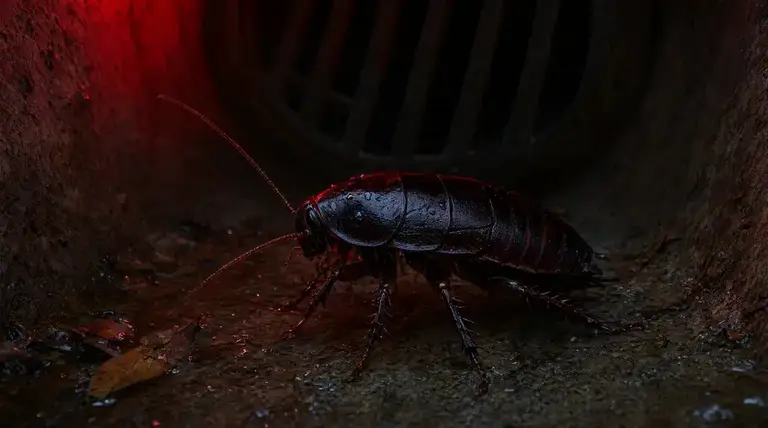
Oriental cockroaches are the true drain dwellers of Australian homes — slow, dark, near-black roaches that thrive in cool, damp voids most other species avoid. The oriental cockroach (Blatta orientalis) is a shiny, very dark brown to almost black species, 20–27 mm long, that favours drains, sub-floors, cellars and anywhere moisture lingers. Whether you own a raised Queenslander with a shady sub-floor or a brick veneer on a slab with ageing plumbing, this pest — sometimes labelled “r” among the toughest household species — can quietly establish itself beneath your feet.
Often called the “water bug” or “black beetle”, the oriental cockroach is slower and less agile than other roaches and gives off a notably strong, musty odour when present in numbers. This guide covers identification, the warning signs, realistic Australian treatment costs in AUD, seasonal activity, and when to call in licensed pest control professionals.
- Oriental cockroaches (20–27 mm, shiny near-black) depend on constant moisture and cluster around drains, sub-floors and leaking pipes.
- They are a bigger problem in cooler southern states like Victoria and Tasmania than in the tropical north.
- A persistent musty odour in damp areas is often the first sign — before you ever see a roach.
- They can move bacteria such as Salmonella from drains onto surfaces, and their droppings add to indoor allergen loads.
- Drying out the habitat plus professional residual treatment beats any spray-and-hope DIY approach.
Why Oriental Cockroaches Matter in Australian Homes (Keyword: r)
Oriental cockroaches matter in Australia because our housing stock and climate give them exactly what they need: cool, damp harbourage under raised homes and around older plumbing. In cooler southern states like Victoria and Tasmania they can be a persistent, year-round problem where damp conditions suit them.
Unlike warmth-seeking species, the oriental cockroach happily colonises a chilly, damp Melbourne sub-floor or a Tasmanian cellar that other roaches would avoid. Raised Queenslanders with enclosed sub-floors, older brick veneer homes with slab-edge drainage issues, and properties with yard drains or grease traps all provide ideal habitat. Where a smoky brown or Australian cockroach seeks out warmth — as covered in our American Cockroaches in Australia: ID and Control Guide — the oriental tolerates temperatures many species avoid, persisting in places you might assume are too cold for cockroaches.
Health is the other concern. This species travels between drains, sewage and decaying organic matter, then into living spaces, transferring bacteria such as Salmonella and gastrointestinal pathogens onto surfaces and food. Its droppings and shed skins add to indoor allergen loads linked to asthma, and the strong musty odour can taint stored food and linger in poorly ventilated cellars and sub-floors.
Warning Signs of an Oriental Cockroach Infestation
The clearest warning signs are a musty smell in damp areas, sightings of slow-moving dark roaches at night, and droppings near drains and sub-floor access points. Because the species breeds slowly, catching these signs early gives you a genuine advantage — see also our guide to the 7 Signs of a Cockroach Infestation You Shouldn’t Ignore.
- Musty odour — a strong, lingering smell near drains, cellars or sub-floor vents, often noticed before any roach is seen.
- Slow, dark roaches — stout, shiny near-black insects, 20–27 mm, moving sluggishly at night around wet areas.
- Wingless females or short-winged males — females have only small wing pads; males have wings covering about three-quarters of the abdomen but cannot fly.
- Droppings and smear marks — dark spotting around floor drains, grease traps and leaking pipes.
- Oothecae — reddish-brown egg cases holding around 16 eggs, dropped in sheltered, damp spots.
- Daytime activity — roaches visible by day suggest numbers are building out of sight.
DIY vs Professional Cockroach Treatment
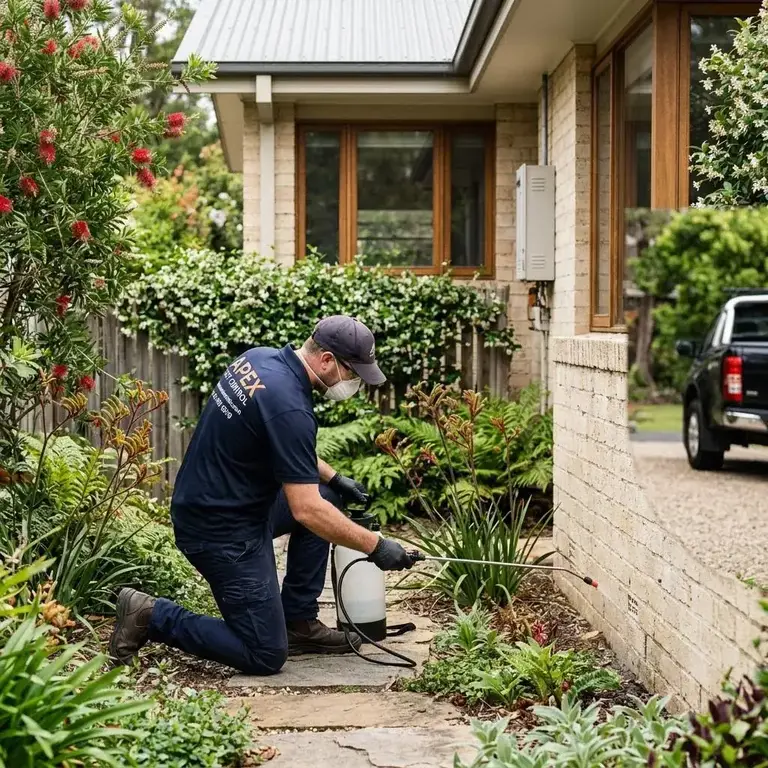
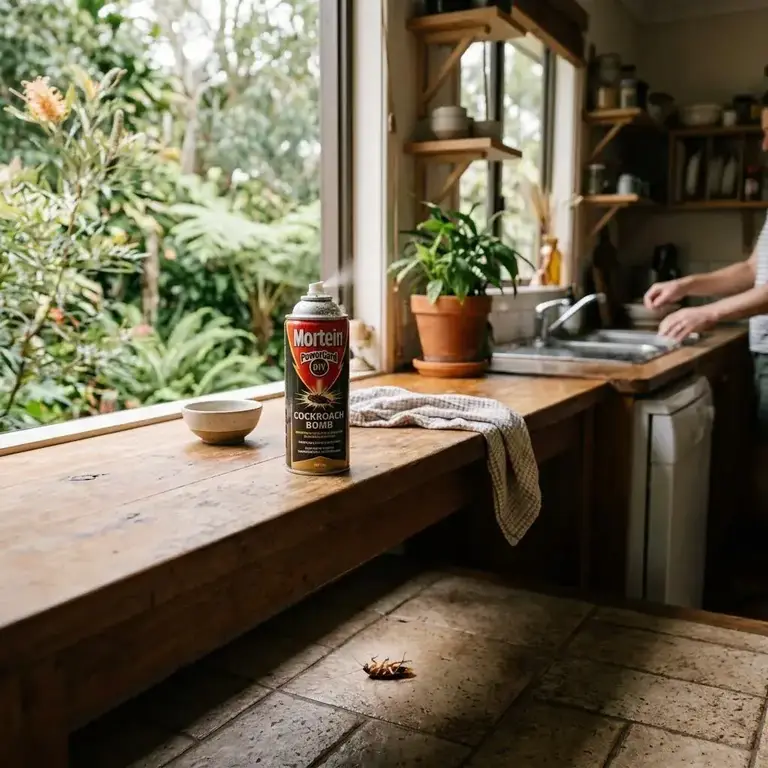
DIY works for prevention — moisture control and hygiene — but established oriental cockroach populations in drains and sub-floors almost always need professional treatment. Surface sprays from the hardware store rarely reach harbourage inside drain lines and sub-floor voids, and misapplied chemicals can be a hazard around children and pets. Licensed technicians use APVMA-registered products correctly and target the source, not just the stragglers.
| Factor | DIY approach | Professional treatment |
|---|---|---|
| Reach | Surface-level only; misses drains and sub-floor voids | Treats harbourage, entry points and drain lines |
| Species ID | Often confused with other dark roaches | Correct identification drives the right treatment plan |
| Cost | $30–$80 in products, often repeatedly | One-off or program pricing (see below) |
| Safety | Risk of overuse or wrong placement | APVMA-registered products applied by licensed technicians |
| Lasting results | Short-term knockdown | Residual protection plus moisture and exclusion advice |
It’s also worth knowing your enemy: orientals behave very differently from the fast-breeding German cockroach — see German Cockroach Infestations: Why They’re So Hard to Kill — which is why accurate identification matters before you spend a dollar on treatment.
Oriental Cockroach Treatment Costs in Australia (2025–26)
Across the Australian pest control industry, professional cockroach treatment generally costs between $180 and $600 AUD depending on property size, severity and whether follow-up visits are needed. The figures below are typical Australian market rates for 2025–26 — what the industry generally charges, not any single provider’s pricing — and they vary by state and property type.
| Service | Typical market rate (AUD) | What’s included/notes |
|---|---|---|
| Inspection and quote | $0–$120 | Often free with treatment booking; identifies species and harbourage |
| Standard cockroach treatment (unit/small home) | $180–$280 | Internal and external residual treatment, gel baiting of key areas |
| Treatment for larger homes / sub-floor access | $280–$450 | Includes sub-floor void, drains and perimeter treatment |
| Severe infestation / multi-visit program | $450–$600+ | Follow-up visits, monitoring, drain and harbourage treatment |
| Annual pest control plan | $350–$550/year | Scheduled treatments and warranty call-backs |
Our Cockroach Control & Treatment service is tailored to the species involved, because a drain-dwelling oriental needs a different strategy to a kitchen-based German cockroach.
It’s worth noting that Aussie Pest Strike typically comes in well under these general market rates, without cutting corners on treatment quality or warranty cover. For an exact quote based on your property and the scale of the problem, call us on [aps_phone] and we’ll talk you through the options.
Seasonal Activity of Oriental Cockroaches in Australia
Oriental cockroaches are active year-round in damp, sheltered voids, but activity peaks through the warmer, wetter months from October to March when breeding accelerates and roaches range further from drains. In cooler southern states they remain noticeably active indoors even in winter because heated homes over damp sub-floors suit them.
Jan
Feb
Mar
Apr
May
Jun
Jul
Aug
Sep
Oct
Nov
Dec
Typical oriental cockroach activity pattern across Australia: peaking in the warm, wet late spring and summer, dipping in winter but never fully stopping indoors thanks to the species’ tolerance of cool, damp conditions.
Nine times out of ten, when I find orientals it’s a moisture problem first and a cockroach problem second. Fix the leak, dry out the sub-floor and screen the drains, and the treatment actually holds. Skip that step and you’ll be spraying the same voids every summer.
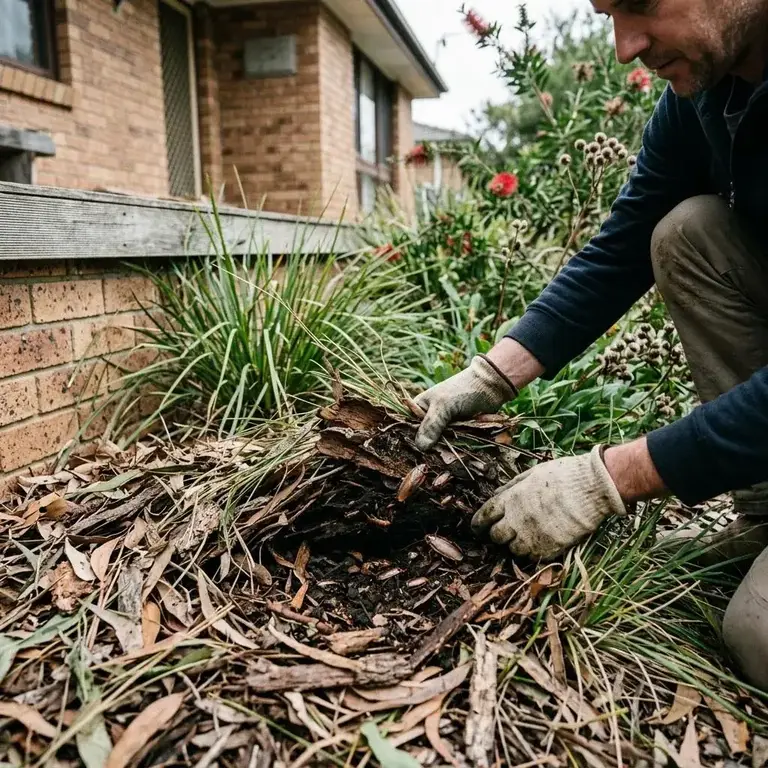
Start with moisture: repair dripping taps, pipe leaks and poor drainage promptly, fit backflow-preventing covers to floor drains, improve sub-floor ventilation, and clear leaf litter and organic debris from around the foundations. Then back it up with a professional residual treatment — moisture control plus targeted chemical treatment by a licensed technician delivers lasting results that sprays alone never will.
Frequently Asked Questions
What does an oriental cockroach look like?
The oriental cockroach (Blatta orientalis) is a shiny, very dark brown to almost black insect measuring 20–27 mm long. Females are wingless, with only small wing pads, while males have wings covering about three-quarters of the abdomen but cannot fly. They are slower and less agile than other cockroach species, which helps distinguish them from faster-moving dark roaches.
Where do oriental cockroaches live in Australian homes?
Oriental cockroaches favour cool, damp places that most other species avoid: floor drains, sub-floors, cellars and areas around leaking pipes. Raised Queenslanders with enclosed sub-floors, older brick veneer homes with slab-edge drainage issues, and properties with yard drains or grease traps all provide ideal habitat. Unlike warmth-seeking species, they happily colonise chilly, damp spaces such as a Melbourne sub-floor or a Tasmanian cellar.
What are the warning signs of an oriental cockroach infestation?
Key warning signs include a strong musty odour near drains, cellars or sub-floor vents — often noticed before any roach is seen — plus sightings of slow-moving dark roaches at night. Other indicators are dark droppings and smear marks around floor drains, grease traps and leaking pipes; reddish-brown egg cases (oothecae) holding around 16 eggs in sheltered damp spots; and daytime activity, which suggests numbers are building out of sight.
Why do oriental cockroaches smell so strongly?
Oriental cockroaches give off a notably strong, musty odour when present in numbers. This smell lingers in poorly ventilated cellars and sub-floors and can taint stored food. Because the species breeds slowly and hides in damp voids, the odour is often the first sign of an infestation — frequently noticed before you ever see a roach.
Are oriental cockroaches a health risk?
Yes. Oriental cockroaches travel between drains, sewage and decaying organic matter before entering living spaces, transferring bacteria such as Salmonella and gastrointestinal pathogens onto surfaces and food. Their droppings and shed skins also add to indoor allergen loads linked to asthma, and their strong musty odour can contaminate stored food in affected areas.
Where in Australia are oriental cockroaches most common?
Oriental cockroaches are a bigger problem in cooler southern states like Victoria and Tasmania than in the tropical north. They thrive where damp conditions suit them and can be a persistent year-round problem there. Australia's housing stock — raised homes with sub-floors, older plumbing and yard drainage — gives them exactly the cool, moist harbourage they need.
When are oriental cockroaches most active?
Oriental cockroaches are active year-round in damp, sheltered voids, but activity peaks through the warmer, wetter months from October to March, when breeding accelerates and roaches range further from drains. In cooler southern states they remain noticeably active indoors even in winter, because heated homes over damp sub-floors suit their preference for cool, moist conditions.
Can I get rid of oriental cockroaches myself?
DIY methods work for prevention — moisture control and hygiene — but established populations in drains and sub-floors almost always need professional treatment. Surface sprays from hardware stores rarely reach harbourage inside drain lines and sub-floor voids, and misapplied chemicals can be hazardous around children and pets. Drying out the habitat combined with professional residual treatment delivers far better results than spray-and-hope approaches.
How can I check whether Aussie Pest Strike can help with an oriental cockroach problem?
If you have spotted slow, dark roaches around drains or noticed a musty smell in your sub-floor, you can contact Aussie Pest Strike to discuss your situation and confirm what support is available for oriental cockroach infestations in your area. Because these pests hide in drain lines and sub-floor voids, describing the signs you have noticed will help determine the right approach for your property.
Should I get a professional inspection for suspected oriental cockroaches?
A professional inspection is a sensible next step if you notice musty odours, droppings near drains or dark roaches at night. Aussie Pest Strike can identify the species correctly — orientals behave very differently from fast-breeding German cockroaches — and locate harbourage in drains and sub-floors. An inspection also pinpoints moisture problems, since fixing leaks and improving ventilation is essential for any treatment to hold long term.
Sources & further reading
Found Something
Dangerous?
Don’t touch it. Don’t spray it. Keep kids and pets clear, take a photo from a safe distance, and call us — or book a free inspection and we’ll come to you.
02 7235 0050