Thermal Imagingfor Termites: DoesIt Work?
Thermal imaging termites: myth: a thermal camera can see termites through your walls. Fact: thermal imaging for termites detects the heat and moisture...
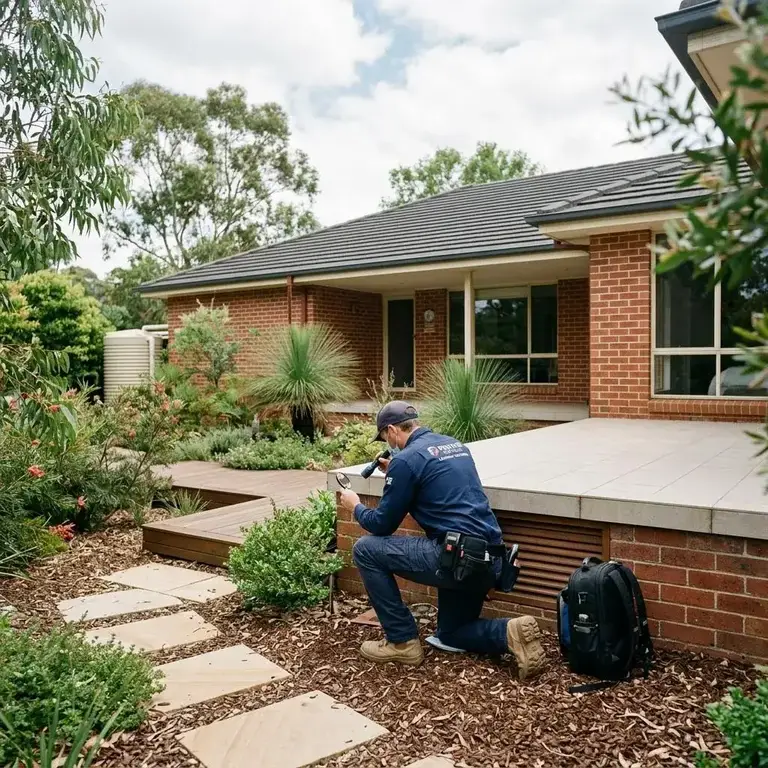
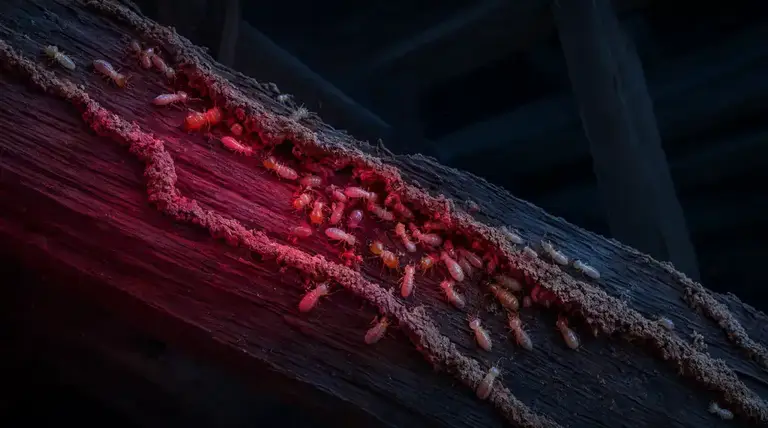
Across Australia, thermal imaging termites inspections have become one of the most talked-about tools in modern pest control, and for good reason. Put simply, this is a non-invasive technique that detects the heat and moisture patterns created by an active termite colony, rather than the insects themselves. Used correctly, it works — but it is not magic, and it is not a stand-alone guarantee that your home is termite-free.
A lot of marketing oversells what a thermal camera can do. This article cuts through the hype: how the technology actually works, where it genuinely adds value in Australian homes, what it costs, and why it should always sit alongside a full Termite Inspections & Reports service carried out to Australian Standard AS 4349.3.
- Thermal imaging detects heat and moisture anomalies from termite activity — it cannot see individual termites through walls.
- It is a powerful screening aid, but findings must be confirmed with moisture metering, sounding and visual checks.
- Accuracy drops in extreme heat, direct sun, thick masonry and heavily insulated walls.
- Expect to pay roughly $450–$750 for a full termite inspection with thermal imaging in most Australian metro areas in 2025-26.
- Always pair thermal scanning with a full AS 4349.3 inspection by a licensed technician.
Why thermal imaging termites detection matters in Australian homes
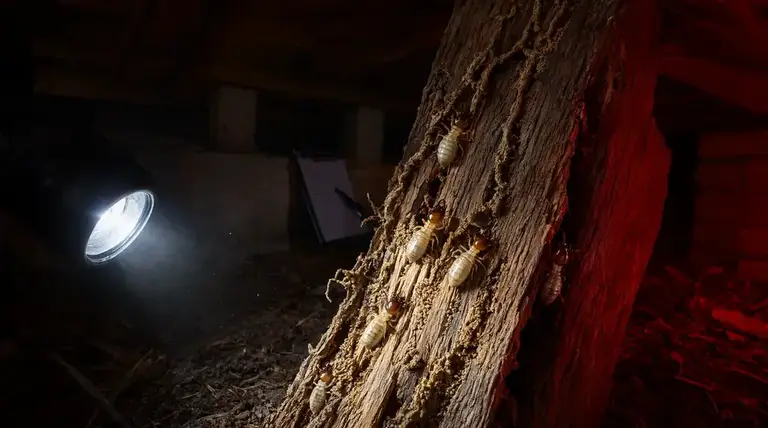
Thermal imaging matters in Australia because our climate and housing styles give termites ideal conditions to work concealed. Warm, humid regions — coastal Queensland, northern NSW and the Top End — support highly active Coptotermes colonies, and these species can hollow out structural timber for months before any visible sign appears. This is exactly where the “h” factor — hidden activity — causes the most expensive damage.
Housing construction makes concealment easy. Slab-on-ground homes hide entry points around the slab edge; older Queenslanders and weatherboard homes with subfloors give termites cool, damp highways up into wall cavities; and brick veneer construction leaves a concealed timber frame behind a masonry skin that a thermal camera can screen quickly. Our guides on Pest Control in Older Australian Homes and Pest Control for New Builds: What Australian Owners Miss cover how construction style changes the risk profile. In all of these scenarios, a rapid thermal sweep helps an inspector cover large areas fast and zero in on suspicious spots before opening anything up.
Warning Signs That Thermal Imaging Can Help Confirm
Thermal imaging is most useful when you already suspect a problem and need to locate activity without damaging walls. Watch for these warning signs around your home — if you tick any of them, book a professional inspection rather than guessing.
- Hollow-sounding timber — skirting boards, architraves or floorboards that sound papery or hollow when tapped.
- Mud leads or shelter tubes — pencil-thick earthen tunnels on foundations, piers, walls or in the subfloor.
- Discarded wings — piles of papery wings near windowsills or light fittings after a warm, humid evening, especially in spring.
- Bubbling or uneven paint — paint that blisters, ripples or looks water-damaged with no obvious leak.
- Tight-fitting doors and windows — frames that suddenly jam because termite moisture has swollen the timber.
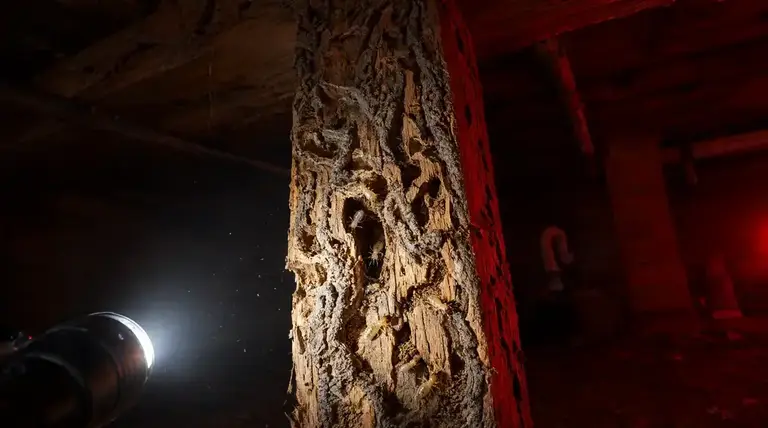
- Soft or crumbly timber — timber that dents under light screwdriver pressure or shows a honeycombed interior.
- Faint clicking in walls — soft rustling or head-banging sounds from soldier termites in wall cavities at night.
DIY Thermal Cameras vs Professional Termite Detection
You can buy or hire a consumer thermal camera, but a DIY scan is a poor substitute for a professional inspection. The camera is only half the job — interpreting what it shows is where training matters, because plumbing leaks, hot wiring, insulation gaps and even sun-warmed brickwork all produce anomalies that look like termite activity to an untrained eye. A licensed inspector cross-checks every anomaly with moisture metering and sounding before calling it.
| Factor | DIY thermal camera | Professional inspection |
|---|---|---|
| Equipment quality | Basic consumer resolution, limited sensitivity | High-sensitivity imaging plus moisture meters, sounding tools and boroscopes |
| Interpretation | High risk of false positives and missed activity | Trained operator confirms anomalies with multiple tools |
| Standard of reporting | No formal report; not accepted for sales or disputes | Written AS 4349.3 report suitable for property transactions |
| Cost | $150–$500+ to buy or hire, plus your time | Typically bundled into a $450–$750 inspection |
| Best use | Curiosity checks between professional visits | Annual inspections, pre-purchase due diligence, suspected activity |
What Does a Thermal Termite Inspection Cost in Australia?
In 2025-26, the typical Australian market rate for a full termite inspection that includes thermal imaging sits between $450 and $750, depending on property size, construction and location. Across the industry, thermal imaging is rarely sold as a standalone service by reputable operators — it is usually built into a comprehensive inspection because a scan without confirmation tools is unreliable. Here are the ranges the industry generally charges.
| Service | Typical market rate (AUD) | What’s included/notes |
|---|---|---|
| Standard visual termite inspection (AS 4349.3) | $250–$450 | Visual checks, sounding, moisture meter, written report |
| Termite inspection with thermal imaging | $450–$750 | Full AS 4349.3 inspection plus thermal sweep of walls, ceilings and wet areas |
| Pre-Purchase Building & Pest Inspections | $500–$900 | Combined building and timber pest report, often with thermal imaging on larger homes |
| Large or high-risk properties (acreage, Queenslanders) | $750–$1,200+ | Extended time on site, subfloor and roof void access, full thermal survey |
If you are buying, the small extra spend is worth it — ask for thermal imaging termites screening and read our Pre-Purchase Termite Inspection: What Every Buyer Must Know guide before you sign a contract.
Keep in mind these figures reflect what the Australian industry generally charges — Aussie Pest Strike typically comes in well under these market rates while delivering the same thorough, standards-compliant inspection. For an exact quote tailored to your property, give us a call on [aps_phone].
Seasonal Termite Activity and When Thermal Scans Work Best
Termite activity in Australia peaks in the warmer, wetter months from October through March, when colonies forage hardest and alates swarm. Thermal imaging is useful year-round, but results are sharpest when there is a clear temperature contrast between an active colony and its surroundings — typically a stable, overcast day with the building at a settled temperature.
Jan
Feb
Mar
Apr
May
Jun
Jul
Aug
Sep
Oct
Nov
Dec
Indicative termite foraging and swarming pressure across most of Australia: activity climbs from spring, peaks over the humid summer months, and eases through winter — though colonies stay active year-round in warm northern regions.
Direct sun on an external wall, a recently heated or cooled room, thick double-brick construction and heavy insulation can all mask or mimic a termite signature. A good inspector schedules the thermal component for suitable conditions and never relies on it alone.
Thermal imaging is the fastest way I have to triage a big timber-framed house — a sweep of every wall in minutes instead of hours of tapping. But I never write a finding off a warm patch by itself. When heat, moisture and a hollow sound all line up on the same spot, that’s when I know I’ve found the colony.
Book a full AS 4349.3 termite inspection that includes thermal imaging, moisture metering and sounding — especially if your home is timber-framed, in a warm humid region, or hasn’t been inspected in over 12 months. Treat thermal imaging as a valuable layer of the inspection, not a replacement for it, and always use a licensed technician for any follow-up treatment.
Frequently Asked Questions
Does thermal imaging actually work for detecting termites?
Yes, when used correctly. Thermal imaging detects the heat and moisture patterns created by an active termite colony rather than the insects themselves, so it cannot see individual termites through walls. It works best as a screening aid that helps an inspector locate suspicious areas quickly, but findings must be confirmed with moisture metering, sounding and visual checks before any conclusion is drawn.
Can a thermal camera see termites through walls?
No. A thermal camera does not see termites directly — it picks up heat and moisture anomalies produced by concealed colony activity inside wall cavities, floors or ceilings. Because plumbing leaks, hot wiring, insulation gaps and sun-warmed brickwork can all create similar anomalies, every suspicious reading needs to be cross-checked with other tools by a trained inspector.
What conditions reduce the accuracy of thermal termite scans?
Accuracy drops in several common situations: direct sun on an external wall, recently heated or cooled rooms, thick double-brick construction, heavily insulated walls and extreme ambient heat all mask or mimic a termite signature. Results are sharpest on a stable, overcast day when the building has settled to an even temperature, which is why experienced inspectors schedule the thermal component carefully.
How much does a termite inspection with thermal imaging cost in Australia?
A termite inspection that includes thermal imaging is usually priced as a premium add-on to a standard inspection, with the final cost shaped by the property's size, construction type, accessibility of subfloor and roof void areas, and how long the thermal scan takes. Homes with complex layouts or suspected activity often need more scanning time, so it's best to request quotes from several local inspectors and confirm exactly what the thermal imaging component covers before booking.
Is a DIY thermal camera a good substitute for a professional inspection?
No. Consumer cameras have limited resolution and sensitivity, and interpreting what they show requires training — plumbing leaks, hot wiring and insulation gaps all look like termite activity to an untrained eye. A licensed inspector confirms every anomaly with moisture meters, sounding tools and boroscopes, and produces a written AS 4349.3 report suitable for property transactions, which a DIY scan cannot provide.
What warning signs suggest I need a thermal termite inspection?
Look for hollow-sounding skirting boards or floorboards, pencil-thick mud leads on foundations or in the subfloor, piles of discarded wings near windowsills after warm humid evenings, bubbling or uneven paint with no obvious leak, doors and windows that suddenly jam, soft crumbly timber, and faint clicking sounds from walls at night. If you notice any of these, book a professional inspection promptly.
When is the best time of year for a thermal termite scan?
Thermal imaging is useful year-round, but termite activity peaks from October through March when colonies forage hardest and alates swarm. Results are sharpest when there is clear temperature contrast between an active colony and its surroundings, typically on a stable overcast day. In warm northern regions such as coastal Queensland and the Top End, colonies remain active throughout winter.
Why should thermal imaging be paired with an AS 4349.3 inspection?
Thermal imaging is only one layer of a proper inspection. Australian Standard AS 4349.3 requires visual checks, sounding and moisture metering alongside any thermal sweep, because a camera reading alone is unreliable. Pairing the technologies means anomalies are confirmed before conclusions are drawn, and you receive a written standards-compliant report suitable for annual inspections, pre-purchase due diligence or investigating suspected activity.
Can I check whether Aussie Pest Strike covers thermal imaging termite inspections for my area?
Yes. Aussie Pest Strike offers full AS 4349.3 termite inspections that include thermal imaging, moisture metering and sounding, and availability depends on your location and property type. The simplest way to confirm coverage for your address is to get in touch directly and describe your situation — whether it is warning signs like mud leads or hollow timber, a routine annual check, or pre-purchase due diligence.
What is the next step if I suspect termites after reading about thermal imaging?
Book a full AS 4349.3 termite inspection that includes thermal imaging, moisture metering and sounding — particularly if your home is timber-framed, located in a warm humid region, or has not been inspected in over 12 months. Aussie Pest Strike can arrange a thorough inspection tailored to your property and provide an exact quote, then recommend appropriate follow-up treatment through a licensed technician if activity is confirmed.
Sources & further reading
Found Something
Dangerous?
Don’t touch it. Don’t spray it. Keep kids and pets clear, take a photo from a safe distance, and call us — or book a free inspection and we’ll come to you.
02 7235 0050