Pests inWall Cavities: Signsand Solutions
Pests in walls reveal themselves through sound and smell. Learn the signs of rodents, ants, bees and termites in wall cavities and how to fix them. Free quote.
Scratching behind the plaster at two in the morning, a faint musty smell in the hallway, or a line of ants streaming from one point at the skirting board — pests in walls announce themselves through sound, smell and small clues long before you ever see them, and every homeowner should know the signs. Left undisturbed, a hidden nest or colony can grow for months inside the wall void, causing structural damage, contamination and, in some cases, genuine safety risks.
Wall-cavity pests are any pests — most commonly rodents, ants, bees, wasps and termites in Australia — that nest, travel or forage inside the hollow spaces between your internal plasterboard and external cladding or brickwork. Each species leaves a distinctive signature, and correct identification is the difference between a quick, safe fix and a problem that splinters into several. This guide covers the warning signs, what’s likely inside, realistic costs across Australia, and when to call in professional pest control.
- Night-time scratching usually means rats or mice; steady buzzing points to a bee or wasp nest growing inside the cavity.
- Termites are the most serious wall-cavity pest — they hollow out timber studs from within and leave only a paper-thin surface behind.
- Never cut into a wall blind: disturbing bees or wasps can trigger a swarm, and spraying ants can split one colony into several.
- Licensed technicians can identify the pest without demolition using borescopes, thermal imaging and listening equipment.
- Typical treatment costs range from about $150 for a basic ant treatment to $2,500+ for a full termite barrier, depending on the pest and property.
Why pests in walls are such a problem in Australian homes
Australian housing stock is practically designed to hide pests: brick veneer walls, ventilated subfloors and roof voids all create connected voids that pests use as sheltered highways. Wall cavities offer warmth, darkness and protection from predators — exactly what rodents, insects and termites need to establish and grow undetected.
Construction style matters. Older Queenslanders and weatherboard homes on stumps have open subfloors that give rodents and termites easy access up into wall voids. Brick veneer homes — the dominant style in southern states — have a natural cavity between the brickwork and the timber frame, with weep holes that bees and wasps readily exploit. Even modern slab-on-ground homes aren’t immune: ants and termites enter through weep holes, pipe penetrations and hairline slab cracks, then nest inside the walls where you can’t see them.
Climate compounds the issue. Warm, humid conditions across Queensland, New South Wales and the Top End support year-round insect activity, while southern winters push rodents indoors from autumn onwards. If you’ve just moved into a place and are hearing suspicious noises, it’s worth working through our moving house pest checklist before assuming the sounds are “just the house settling”. And if you’re renting, knowing your rights as a tenant around pest control — and what your landlord is obligated to fix — can save you weeks of argument while something chews through the walls.
Warning Signs: How to Tell if e Pests Are in Your Walls
The clearest signs of pests in wall cavities are sounds at night, droppings or grease marks along skirtings, and visible staining or blistering on the plaster itself. Use this checklist to narrow down the culprit before you touch anything.
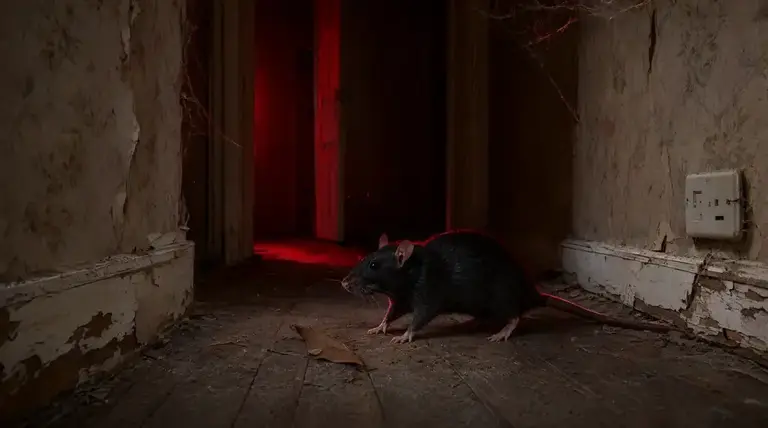
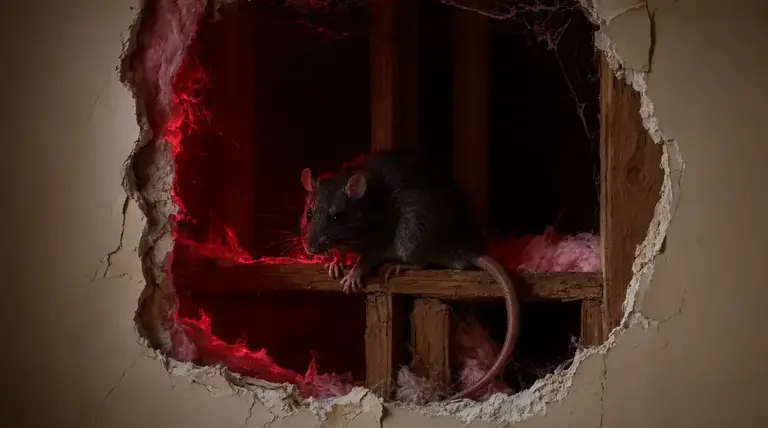
- Scratching and gnawing at night: rats or mice moving through the cavity, typically travelling between the roof void and subfloor.
- Steady buzzing or humming: a bee or wasp nest, often growing noticeably louder over days as the colony expands.
- Faint rustling or clicking: possible termite activity or insects moving within insulation.
- Grease marks and droppings along skirtings: well-worn rodent runways where bodies brush the wall surface.
- Ants streaming from a single point: often a hidden satellite nest inside the cavity rather than a simple foraging trail.
- Honey or dark staining bleeding through plaster: an established bee colony with comb and stored honey pressing against the lining.
- Blistered paint or hollow-sounding timber: a classic termite red flag — tap the skirting or architrave and listen.
One useful field test: rap sharply on the wall where you hear noise. Rodents usually freeze and the sound stops, then resumes a minute or two later once the animal settles. Insect nests, by contrast, keep humming regardless.
DIY vs Professional Treatment for Wall-Cavity Pests
DIY has a place — ant gel baits and snap traps for a single mouse can work — but anything involving bees, wasps or suspected termites should go straight to a licensed technician. Disturbing a stinging-insect nest can trigger a defensive swarm, and surface-spraying ants often splinters one colony into several. Treating pests in walls with chemical products should always be done by a licensed pest-control technician using APVMA-registered products.
| Factor | DIY approach | Professional approach |
|---|---|---|
| Identification | Guesswork from sounds and droppings | Borescope cameras, thermal imaging and listening equipment confirm species without demolition |
| Rodents | Snap traps may catch individuals; entry points often missed | Trapping or baiting in the cavity, then sealing entry gaps of 6 mm or more |
| Ants | Targeted gel bait carried back to the nest — not surface spray | Nest location plus professional-grade baiting and perimeter treatment |
| Bees | Not recommended — risk of swarm and honey damage | Professional removal, with relocation where possible under the beekeeping code |
| Wasps | Dangerous — nests defend aggressively when disturbed | Nest treatment at dusk by a licensed technician |
| Termites | Never DIY — disturbance causes colony retreat and spread | Inspection, then chemical barrier or baiting system in line with AS 3660 |
What Wall-Cavity Pest Treatment Costs in Australia
Across the Australian pest control industry, most wall-cavity treatments are billed at between $150 and $600, with termite work sitting well above that depending on the system and property size. The figures below reflect typical industry-wide market rates for 2025–26 — what operators across the country generally charge. Any individual quote will depend on access, species, colony size and whether follow-up visits are needed.
| Service | Typical cost (AUD) | What’s included/notes |
|---|---|---|
| General pest inspection (with borescope/thermal) | $150 – $300 | Species identification inside cavities, report and treatment plan |
| Rodent control in cavities | $200 – $450 | Baiting/trapping program plus entry-point sealing advice |
| Ant nest treatment | $150 – $350 | Gel baiting and targeted cavity dusting where accessible |
| Bee colony removal | $250 – $600 | Live removal and relocation where possible; comb removal extra if wall opened |
| Wasp nest treatment | $180 – $400 | Dusk treatment of the nest; larger European wasp nests may cost more |
| Termite inspection | $200 – $350 | Full inspection to AS 3660 with moisture meter and thermal imaging |
| Termite barrier or baiting system | $1,500 – $4,000+ | Chemical barrier or monitored baiting around the perimeter; varies by home size |
No reputable operator can guarantee permanent elimination, but licensed technicians using APVMA-registered products applied to label directions offer the safest and most effective outcome available — so it’s worth paying for a properly licensed professional regardless of the price point.
It’s worth noting that Aussie Pest Strike typically comes in well under these typical market rates, without cutting corners on licensing, products or thoroughness. For an exact quote tailored to your property and pest problem, give us a call on [aps_phone] and we’ll talk you through it.
Seasonal Activity: When Wall Pests Are Most Active
Rodent noise in walls peaks through autumn and winter as rats and mice move indoors for warmth, while bees and wasps build through the December–February summer and are most defensive at their late-summer peak. Termites stay active year-round in warm regions but swarm in late spring. The chart below shows typical combined wall-cavity pest activity across Australian homes.
Jan
Feb
Mar
Apr
May
Jun
Jul
Aug
Sep
Oct
Nov
Dec
Typical combined activity pattern: bee and wasp colonies drive the summer peak (Dec–Feb), rodents lift activity through autumn and winter (Apr–Jul), and spring brings termite swarms and new ant nesting. Matching the response to the season keeps treatment safer and more effective.
Nine times out of ten, the homeowner already knows which pest it is — they just haven’t put the clues together yet. Night scratching that stops when you tap the wall is rodents; a hum that builds over days is bees or wasps. The worst calls we get are from people who cut the wall open first and asked questions later.
Don’t open the wall, don’t spray into it, and don’t wait. Note when the sounds occur, check skirtings for droppings or staining, and book a professional inspection so the species is confirmed before any treatment begins. Correct identification first saves money, mess and — with bees, wasps and termites — serious risk.
Frequently Asked Questions
What are the most common pests found in Australian wall cavities?
The most common wall-cavity pests in Australia are rodents (rats and mice), ants, bees, wasps and termites. Each leaves a distinctive signature: rodents scratch at night, bees and wasps buzz steadily as colonies grow, ants stream from a single entry point, and termites hollow out timber studs from within. Correct identification matters because the right treatment for one species can make another problem worse.
How can I tell if the scratching in my walls is rodents or an insect nest?
A simple field test is to rap sharply on the wall where you hear noise. Rodents usually freeze and the sound stops, then resumes a minute or two later once the animal settles. Insect nests behave differently — a bee or wasp colony keeps humming regardless of tapping, and the buzzing often grows noticeably louder over days as the colony expands inside the cavity.
What signs suggest termites are active inside my walls?
Classic termite red flags include blistered paint or plaster, timber that sounds hollow when tapped, and faint rustling or clicking within the wall. Termites hollow out timber studs from the inside, often leaving only a paper-thin surface behind. Because disturbing termites causes the colony to retreat and spread, suspected termite activity should be assessed by a licensed technician rather than treated yourself.
Why should I never cut into a wall to deal with pests myself?
Opening a wall blind can trigger serious problems. Disturbing a bee or wasp nest can provoke a defensive swarm, cutting into a termite gallery causes the colony to retreat and spread elsewhere, and spraying ants often splits one colony into several satellite nests. Bees may also leave comb and stored honey behind, causing staining and damage. Professional identification first avoids turning one problem into several.
How do professionals identify pests inside walls without demolition?
Licensed technicians use borescope cameras, thermal imaging and listening equipment to confirm which species is present inside a cavity without opening the wall. This non-destructive identification is important because each pest requires a different approach — baiting for rodents and ants, nest removal for bees, dusk treatment for wasps, and inspection plus barriers or baiting systems for termites in line with AS 3660.
Which pests in walls are safe to handle with DIY methods?
DIY has limited scope: ant gel baits carried back to the nest and snap traps for a single mouse can work for minor issues. However, anything involving bees, wasps or suspected termites should go straight to a licensed technician. Stinging-insect nests defend aggressively when disturbed, and chemical treatments inside walls should always be applied by a licensed professional using APVMA-registered products.
When are wall-cavity pests most active throughout the year?
Rodent noise in walls peaks through autumn and winter as rats and mice move indoors seeking warmth, roughly April to July. Bee and wasp colonies build through the December–February summer and are most defensive at their late-summer peak. Termites stay active year-round in warm regions but swarm in late spring, while spring also brings new ant nesting activity.
Does the style of my home affect how pests get into wall cavities?
Yes. Older Queenslanders and weatherboard homes on stumps have open subfloors that give rodents and termites easy access up into wall voids. Brick veneer homes have a natural cavity between brickwork and timber frame, with weep holes that bees and wasps readily exploit. Even modern slab-on-ground homes are vulnerable, with ants and termites entering through weep holes, pipe penetrations and hairline slab cracks.
Is a property-specific inspection worthwhile if I think I have pests in my walls?
Yes, because every property presents differently depending on construction style, access points and which species is involved. Aussie Pest Strike can inspect your specific situation, confirm the species without opening the wall, and recommend the right treatment path before any work begins. Since guessing wrong — for example spraying ants or disturbing a wasp nest — can make the problem worse, an inspection tailored to your home is a sensible first step.
What should I do while waiting for a professional to treat pests in my walls?
Resist the urge to open the wall, spray into it or keep tapping repeatedly. Instead, note when the sounds occur, check skirtings for droppings, grease marks or staining, and avoid disturbing any visible entry points. Then contact Aussie Pest Strike to arrange an inspection so the species is confirmed before any treatment starts. Acting promptly matters because hidden colonies can grow undetected for months inside the cavity.
Sources & further reading
Found Something
Dangerous?
Don’t touch it. Don’t spray it. Keep kids and pets clear, take a photo from a safe distance, and call us — or book a free inspection and we’ll come to you.
02 7235 0050