Garage PestControl: TheForgotten Zone
Garage pest control is often forgotten, yet garages attract spiders, rodents and cockroaches. Learn why and how to pest-proof this zone. Free quote.
Garage pests are the part of home ownership most people forget — yet the garage is often where infestations begin before spreading into the house. If you need a simple definition: garage pest control is the inspection, treatment and proofing of a garage so pests can’t use it as a staging ground for the rest of the property. Across Australia, from humid Brisbane Queenslanders to brick veneer homes in Melbourne and slab-on-ground builds in Perth, the garage is a weak point in almost every style of housing.
Clutter, gaps under roller doors and stored food or pet supplies make it a magnet for spiders, rodents, cockroaches and even the occasional snake. Treating the garage as seriously as any living space — and including it in your regular pest control routine — stops pests using it as a launching pad into your kitchen, bedrooms and roof void.
- Garages attract pests because they combine shelter, food and undisturbed clutter with almost no human traffic.
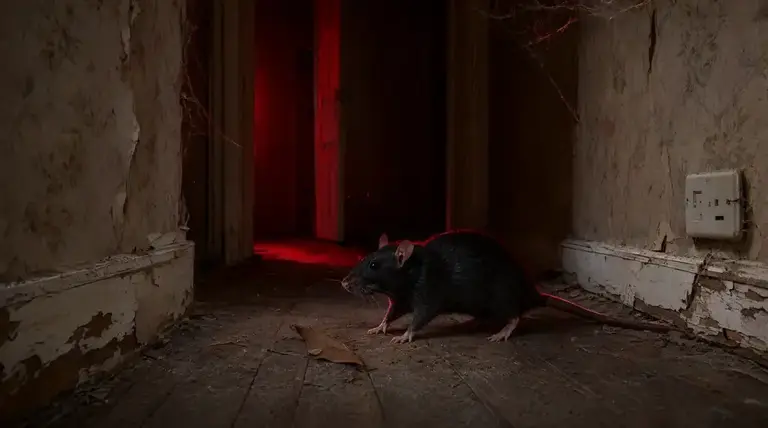
- A mouse needs only about a 6 mm gap — the strip under a roller door often leaves 10–20 mm.
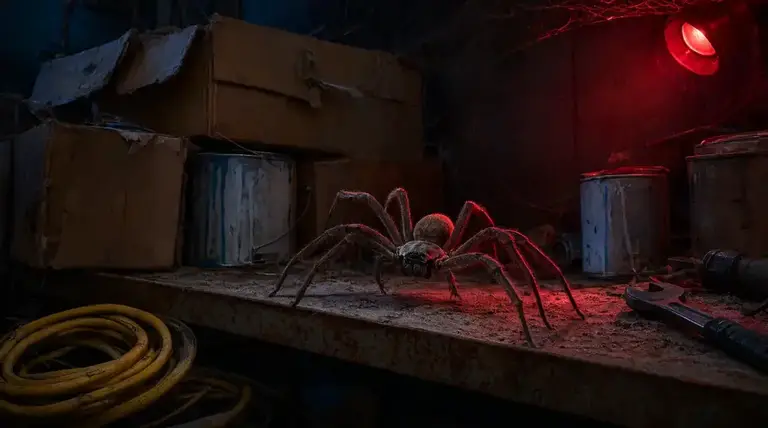
- Redback spiders favour the undersides of stored shelving, bikes and outdoor furniture.
- Sealing the internal garage-to-house door is just as important as sealing the roller door.
- Professional garage treatments in Australia typically cost $180–$450, depending on the pest and property size.
Why Australian Homes Attract Garage Pests
A garage offers pests everything they want — shelter, food, water and darkness — with almost none of the disturbance that keeps them out of living areas. Australian conditions make this worse: summer heat from December to February drives pests toward shaded concrete floors, while winter pushes rodents and spiders toward the warmth of attached garages.
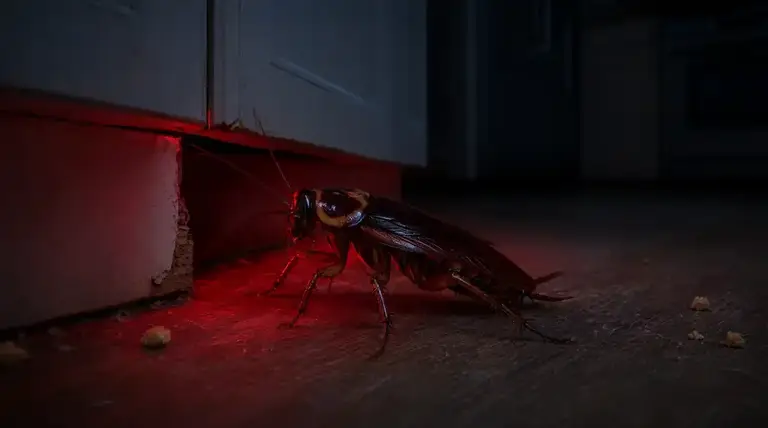
Housing style matters too. Older Queenslanders and homes with subfloors often have garages that connect directly to cool, dark voids — perfect for the American cockroach, Australia’s largest common species at up to 40 mm. Brick veneer homes have weep holes that open straight into wall cavities, and slab-on-ground builds typically have garage-to-house doors with worn seals. Garages combine all of this with:
- Undisturbed clutter: boxes, tools and rarely-moved storage give spiders and rodents cover for months at a time.
- Gaps and openings: the strip under a roller door can leave a 10–20 mm gap — easily enough for a mouse.
- Food sources: pet food, birdseed, fertiliser and rubbish bins stored in the garage.
- Shelter from weather: warmth in winter and shade in the summer heat.
Warning Signs a Garage Has a Pest Problem
The clearest warning signs are droppings, webbing, gnaw marks and a musty smell — most garage infestations announce themselves long before pests reach the house. Run through this checklist every couple of months:
- Droppings along walls and in corners: small, dark pellets signal mice or rats nesting in stored boxes.
- Irregular webbing low to the ground: messy webs under shelving, bikes and stored furniture point to redbacks; dense webs in corners and window frames suggest black house spiders.
- Gnawed cardboard, wiring or bags: rodents chew constantly, and damaged pet food bags are a giveaway.
- Egg cases and shed skins: cockroach oothecae in warm, cluttered corners mean breeding is underway.
- Ant trails to bins or pet bowls: a steady line of ants usually leads back to a food source stored in the garage.
- A musky, oily odour: established rodent or cockroach populations produce a distinctive smell.
If you’re on a bushland fringe or semi-rural block, take rodent signs especially seriously — a cluttered garage that harbours mice can occasionally draw a snake hunting them. It’s uncommon, but it’s a genuine reason to keep rodent numbers down. Never handle a snake yourself; call a licensed snake catcher.
DIY vs Professional Garage Pest Control
DIY proofing — seals, storage and decluttering — handles prevention well, but active infestations of rodents, redbacks or cockroaches usually need a licensed technician. Chemical treatments should always be applied by a licensed professional in line with APVMA-registered label directions; no treatment is “100% safe” or “guaranteed”, and DIY overuse of sprays often just scatters pests deeper into wall cavities.
| Factor | DIY approach | Professional treatment |
|---|---|---|
| Best for | Prevention, minor spider activity, proofing | Active rodent, cockroach or redback infestations |
| Typical cost | $30–$120 for seals, traps and storage bins | $180–$450 per visit |
| Entry-point detection | Easy to miss wall penetrations and weep holes | Full inspection of voids, subfloor links and door seals |
| Chemical use | Limited to off-the-shelf products, often misapplied | APVMA-registered products applied by licensed technicians |
| Long-term result | Good for prevention; weak on established pests | Treatment plus proofing advice and follow-up |
If you’re renting, responsibility for garage pests can fall into a grey area — read our guide to pest control in rentals and your rights as a tenant before paying for anything yourself. Landlords, meanwhile, have clear responsibilities for pre-existing infestations, covered in our article on landlord pest control obligations in Australia. And if you’re about to move, our moving house pest checklist includes the garage checks most people skip.
Garage Pest Control Costs in Australia (2025–26)
Across the Australian market, professional garage treatments generally cost between $180 and $450, with general pest sprays at the lower end and rodent programs at the higher end. Industry pricing varies with property size, pest species and whether follow-up visits are included, so treat the figures below as a guide to what the market typically charges rather than a fixed quote.
| Service | Typical market rate (AUD) | What’s included/notes |
|---|---|---|
| General garage pest spray (spiders, cockroaches, ants) | Market rate $180–$280 | Internal/external perimeter, webs removed, entry points identified |
| Rodent control program | Market rate $250–$450 | Bait stations, trapping, 1–2 follow-up visits, proofing advice |
| Redback-focused spider treatment | Market rate $200–$320 | Targeted treatment of harbourage areas, shelving and stored items |
| Combined garage + home package | Market rate $300–$550 | Whole-property treatment including garage, often better value |
| Inspection and quote | Market rate Free–$120 | Many providers across the industry offer free inspections |
These are typical Australian market rates — and here’s the good news: Aussie Pest Strike typically comes in well under these figures. For an exact quote tailored to your property and pest problem, call us on [aps_phone] and we’ll sort you out.
Seasonal Garage Pest Activity in Australia
Garage pest activity peaks in late spring through summer, with a secondary rodent spike in autumn as temperatures drop. Spiders and cockroaches surge in the warm months, while mice and rats move indoors from April onwards seeking warmth.
Jan
Feb
Mar
Apr
May
Jun
Jul
Aug
Sep
Oct
Nov
Dec
Typical relative garage pest activity across Australia: spiders and cockroaches peak in the Dec–Feb heat, while rodents climb through autumn as they seek winter shelter indoors.
How to Pest-Proof a Garage
The most effective garage proofing combines sealing entry points, removing food sources and reducing clutter — in that order. These five steps cover the vast majority of garage pest problems:
- Fit a rubber seal or brush strip to close the gap under the roller door.
- Store pet food, birdseed and grains in sealed metal or hard-plastic bins, never the original bag.
- Declutter and shelve items off the floor to remove harbourage.
- Seal wall penetrations, weep holes and gaps around the internal door.
- Shake out stored furniture and check gloves and boots for redbacks before use — our guide to spiders in garages and sheds covers safe control in detail.
The internal door deserves special attention, because it is the direct route from garage to living space. Fit a weather seal along its base, keep it closed, and treat any gap around its frame the same way you would an external door. Many household infestations that seem to appear from nowhere actually began in the garage and walked straight through this gap. For detailed rodent entry-point proofing, see our guide to rodents in the garage, and the same principles carry over to outbuildings in our garden shed pest guide.
Nine times out of ten, when we trace a kitchen cockroach or rodent problem back to its source, it started in the garage. Homeowners treat the house beautifully but leave the roller door gap wide open and a bag of dog food in the corner. Seal the garage and half our job is done before we start.
Start with proofing: fit a roller door seal, move pet food into sealed bins and declutter off the floor this weekend. If you’re already seeing droppings, redback webbing or cockroach activity, book a licensed technician for a targeted treatment — and include the garage in your annual whole-home pest control service so it never becomes a staging ground again.
Garage Pest Control: Frequently Asked Questions
Why is my garage attracting so many spiders?
Garages attract spiders because they offer undisturbed corners, insects drawn to lights, and stored clutter that provides shelter. Redbacks in particular favour the dark undersides of stored items such as shelving, bikes and outdoor furniture. Regular decluttering, removing webbing and sealing gaps under doors will significantly reduce spider numbers in most garages.
How do mice get into a garage?
Mice get into garages by squeezing under the gap beneath roller doors and through unsealed wall penetrations — they need only about 6 mm of space. Fitting a rubber or brush-strip door seal and blocking gaps around pipes and the internal door are the most effective fixes, combined with removing food sources like bagged pet food.
Should I store pet food in the garage?
You can store pet food in the garage, provided it is kept in sealed metal or hard-plastic containers rather than the original bag. Loose or bagged pet food is one of the biggest attractants for rodents and ants in garages. Keep containers off the floor and clean up spills around bowls promptly.
If your garage has become a pest hotspot, don’t wait for the problem to walk through the internal door into your home. Aussie Pest Strike’s licensed technicians can treat the garage, identify entry points and proof the whole area before pests reach your living spaces. Call Aussie Pest Strike on [aps_phone] today to book a free on-site inspection and quote — it’s the simplest way to shut down the forgotten zone for good.
Sources & further reading
Found Something
Dangerous?
Don’t touch it. Don’t spray it. Keep kids and pets clear, take a photo from a safe distance, and call us — or book a free inspection and we’ll come to you.
02 7235 0050