Garden ShedPests: Preventionand Control
Garden shed pests like redback spiders, rodents and wasps love clutter. Learn prevention and shed pest control tips for Australian homes. Free quote.
A garden shed is the most pest-friendly structure on most Australian properties — quiet, cluttered, rarely cleaned and full of hiding spots where shed pests like redback spiders, rodents, wasps, ants and even the occasional snake can settle in. In short: garden shed pest prevention and control is the practice of decluttering, sealing and monitoring your shed so pests never get a reason to move in. Get those basics right, and you remove nearly every attraction a pest could want.
The good news is that shed pest control is mostly about organisation rather than chemicals. Store food and seed properly, close the gaps, keep the surrounds tidy, and do one proper clean-out a year. Where an infestation has already taken hold — a European wasp nest, a heavy rodent presence — that’s when licensed pest control earns its keep. This guide covers the lot, Australia-wide: what lives in sheds, the warning signs, DIY versus professional options, realistic 2025-26 costs, and how activity shifts across the seasons.
- Sheds are prime habitat for redback spiders, rodents, wasps, ants, silverfish and borers because they’re dark, undisturbed and often damp.
- Decluttering, sealed storage bins and gap-sealing remove nearly every reason a pest would settle in — prevention beats treatment every time.
- Always wear gloves and shake out boots and gloves before use; redbacks love seldom-disturbed gear.
- Never attempt DIY removal of a European wasp nest — they swarm, sting repeatedly and can trigger severe allergic reactions.
- Budget roughly $150–$450 (AUD) for most professional shed treatments, depending on the pest and severity.
Why Garden Shed Pests Are Such a Problem Across Australia
Garden sheds attract pests in every Australian state because they combine shelter, food and neglect — and our climate does the rest. From humid Queensland summers that supercharge spider and wasp breeding to cool southern winters that drive rodents indoors, sheds sit at the centre of the action.
Housing style plays a role too. Older Queenslanders and homes with subfloor voids often have sheds sitting on stumps or pavers with gaps underneath — perfect cover for rodents and European wasps nesting below floor level. Brick veneer and slab-on-ground homes in newer estates tend to have Colourbond sheds hard against fence lines and compost heaps, which act as pest highways straight to the shed door. Add in stored seed, pet food, fertiliser bags and cardboard, and you’ve built a serviced apartment for vermin. Whether you’re a homeowner or renting — and if you’re unsure where responsibility sits, our guides to pest control in rentals: your rights as a tenant and landlord pest control obligations in Australia explain it plainly — the shed is usually the first structure pests colonise and the last one anyone checks.
What Lives in the Garden Shed
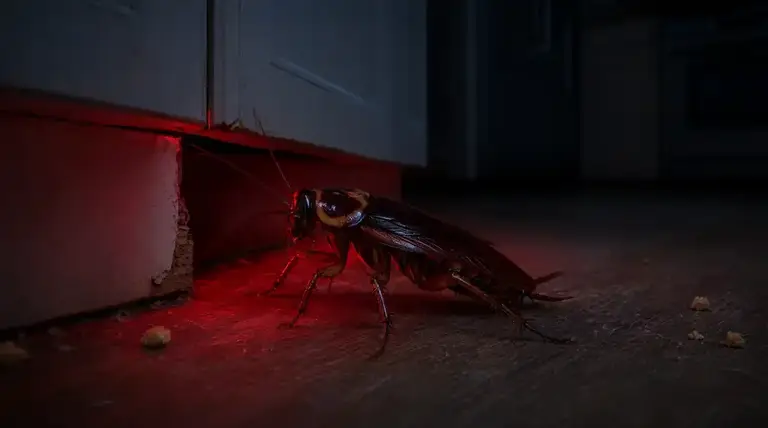
The most common shed pests in Australia are redback spiders, rats and mice, paper and European wasps, ants, silverfish and wood-boring beetles. Each is drawn by a slightly different mix of shelter, food and moisture.
Redback Spiders
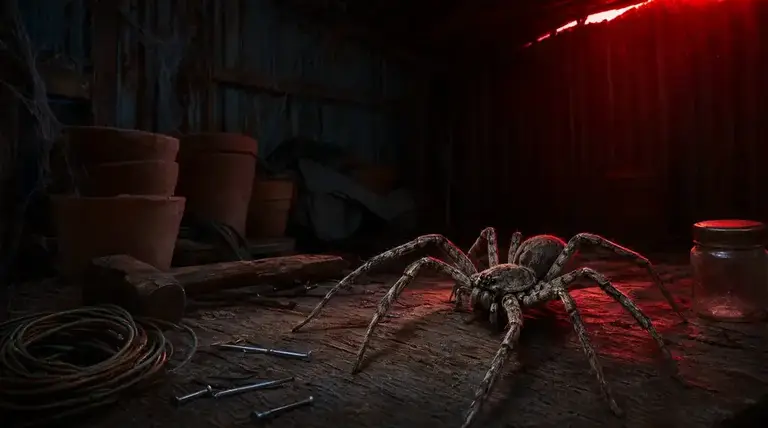
Sheds are prime redback habitat. Females — around 10 mm with the distinctive red stripe — spin messy webs under benches, in stacked pots, and inside seldom-used gloves and boots. Always check before reaching into dark corners, and teach kids the same habit.
Rodents
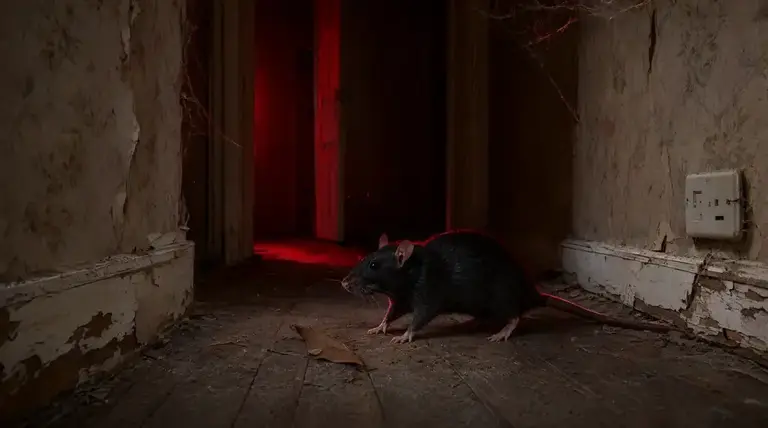
Rats and mice nest in stored bags of seed, fertiliser and pet food, and shred cardboard for bedding. A shed backing onto a fence line, chook pen or compost heap is especially attractive, and rodent numbers typically climb in autumn as temperatures drop.
Wasps and Ants
Paper and mud-dauber wasps build nests under eaves and in quiet corners, while ants colonise wall gaps and stored goods. The serious one is the European wasp — an aggressive introduced species that nests in wall cavities and under shed floors. Nests can hold thousands of workers by late summer, making them a genuine stinging hazard.
Silverfish and Borers
Timber sheds and stored cardboard attract silverfish and, occasionally, wood-boring beetles that tunnel into untreated timber. Both are a red flag that the shed is holding more moisture than it should — fix drainage and ventilation and you fix half the problem.
Warning Signs of Shed Pests: A Quick Checklist
You can confirm most shed pest problems in five minutes with a torch and a careful eye. Work through this checklist each season — and always before reaching into stored gear.
- Messy, tangled webs in corners, under benches or inside pots — classic redback sign, often with a cream-coloured egg sac nearby.
- Droppings and gnaw marks on seed bags, fertiliser sacks or shelving — rodents are active and feeding on site.
- Shredded cardboard or insulation piled in dark corners — nesting material for rats and mice.
- Paper-mâché nests or steady wasp traffic at eaves, wall gaps or under the floor — do not disturb; note the flight path from a distance.
- Ant trails running along wall joins or into stored goods, especially after rain.
- Silvery dust, shed skins or tiny holes in timber — silverfish or borer activity, usually tied to excess moisture.
- Musty smell or damp patches — a moisture problem that will keep attracting pests until it’s fixed.
If you’re moving into a property with an established shed, treat the first inspection as essential — our moving house pest checklist covers sheds, garages and subfloors in the order most likely to surprise you.
DIY vs Professional Shed Pest Control
Most shed prevention is well within DIY territory — decluttering, sealing gaps and storing food properly costs little and works. Treatment is different: redback harbourage and minor ant issues can be handled carefully by a capable homeowner, but European wasp nests and established rodent infestations call for a licensed technician with the right APVMA-approved products and protective gear.
| Task | DIY suitable? | When to call a professional |
|---|---|---|
| Declutter, sweep webs, clean droppings | Yes — with gloves and enclosed footwear | If redback webs are widespread throughout |
| Sealing gaps and storing food in sealed bins | Yes | If rodents keep returning despite sealing |
| Redback spider treatment | Light activity only | Multiple webs, egg sacs, or kids/pets using the shed |
| European wasp nest | Never | Always — they swarm and sting repeatedly |
| Rodent baiting and trapping | Minor activity | Heavy infestation or hidden entry points |
| Residual perimeter treatment | Possible with care | Best applied by a licensed technician for lasting cover |
Spider control works best paired with removing webs and harbourage, as covered in our guide to preventing spiders in garages and sheds. The same principles overlap with vehicle storage — see our garage pest control guide — and the broader habits appear in our pest prevention tips for Australian homes.
Shed Pest Control Costs in Australia (2025–26)
Across the Australian market, professional shed pest treatments generally sit between $150 and $450 (AUD), with wasp nest removal and rodent programs typically charged at the higher end of the industry range. What the market charges varies with shed size, pest type, access and your state, but the figures below reflect typical going rates you’ll see quoted across the industry.
| Service | Typical market rate (AUD) | What’s included / notes |
|---|---|---|
| General shed treatment (spiders, ants, silverfish) | $150–$280 | Internal and perimeter residual spray, web knockdown |
| Redback-focused treatment | $180–$300 | Harbourage treatment, egg sac removal, follow-up advice |
| European wasp nest removal | $200–$400 | Nest treatment and removal; cavity or underfloor nests cost more |
| Rodent control program | $220–$450 | Bait stations, trapping, entry-point identification, follow-up visit |
| Full shed clean-out and treatment | $300–$550 | Neglected sheds; web and nest removal plus residual protection |
Industry-wide, a residual perimeter treatment applied after a clean-out typically keeps a shed protected for several months, which is why most operators consider it solid value heading into summer.
It’s worth knowing that Aussie Pest Strike typically comes in well under these typical Australian market rates for the same scope of work. For an exact quote on your shed, give us a call on [aps_phone] and we’ll sort you out.
Seasonal Shed Pest Activity Across Australia
Shed pest activity peaks from late spring through summer, when spiders, wasps and ants breed hardest, and dips through winter — though rodents push into sheds in autumn and winter seeking warmth. Timing your annual clean-out for early spring sets the shed up before the surge.
Jan
Feb
Mar
Apr
May
Jun
Jul
Aug
Sep
Oct
Nov
Dec
Indicative pattern: spider, wasp and ant activity peaks December–February and builds from September; the autumn shoulder (April–May) reflects rodents moving into sheds as nights cool. Northern regions see a longer, more intense peak than southern states.
Nine times out of ten, the worst sheds we treat are the ones nobody’s opened properly for a year. A single spring clean-out — pull everything out, sweep the webs, check the corners — prevents more problems than any product we carry. When we do treat, we always pair it with sealing and storage advice, because spray without prevention just buys you a few quiet months.
Do a full shed clean-out every early spring: empty it, sweep webs and droppings, check for nests, re-store everything in sealed bins on shelving, and seal door, floor and wall gaps. If you find an active European wasp nest, a heavy rodent infestation or widespread redback activity, skip the DIY and book a licensed pest control technician — it’s safer, faster and the results last.
Frequently Asked Questions
What pests are most likely to move into a garden shed in Australia?
The most common shed pests across Australia are redback spiders, rats and mice, paper and European wasps, ants, silverfish and wood-boring beetles. Sheds suit them because they are dark, undisturbed and often damp, with plenty of hiding spots. Stored seed, pet food, fertiliser bags and cardboard add food and nesting material, while sheds near fence lines, chook pens or compost heaps attract even more activity.
How can I prevent pests from settling in my garden shed?
Prevention is mostly about organisation rather than chemicals. Declutter the shed, store food, seed and pet food in sealed bins, seal gaps in walls and floors, keep the surrounding area tidy, and do one proper clean-out each year. Fixing drainage and ventilation also matters, because excess moisture attracts silverfish and borers. Together these steps remove nearly every reason a pest would want to settle in.
What warning signs should I look for when checking my shed for pests?
Use a torch and check for messy, tangled webs with cream-coloured egg sacs (redbacks), droppings and gnaw marks on bags or shelving (rodents), shredded cardboard piled in corners (nesting material), paper-mâché nests or steady wasp traffic at eaves or under the floor, ant trails along wall joins after rain, silvery dust or tiny holes in timber, and musty smells or damp patches indicating a moisture problem.
Why are redback spiders such a problem in garden sheds?
Sheds are prime redback habitat because they offer dark, seldom-disturbed spots to spin webs. Females, around 10 mm with a distinctive red stripe, build messy webs under benches, in stacked pots and inside rarely used gloves and boots. Always wear gloves, shake out boots and gloves before use, check before reaching into dark corners, and teach children the same habit.
Can I remove a European wasp nest from my shed myself?
No — never attempt DIY removal of a European wasp nest. They are an aggressive introduced species that nests in wall cavities and under shed floors, with nests holding thousands of workers by late summer. They swarm, sting repeatedly and can trigger severe allergic reactions. Established nests always call for a licensed technician with the right products and protective gear.
Which shed pest jobs can I handle myself, and which need a professional?
Decluttering, sweeping webs, cleaning droppings, sealing gaps and storing food in sealed bins are all suitable DIY tasks done with gloves and enclosed footwear. Light redback activity can be handled carefully by a capable homeowner. Call a professional for widespread redback webs or egg sacs, rodents that keep returning despite sealing, heavy infestations, hidden entry points, and always for European wasp nests.
When is the best time of year to clean out my shed for pest control?
Time your annual clean-out for early spring, before pest activity surges. Spider, wasp and ant activity peaks from December to February and builds from September, while rodents push into sheds during autumn and winter as nights cool. Pull everything out, sweep away webs and droppings, check stored gear, then reseal gaps and restock using sealed bins so the shed is protected heading into summer.
What does professional shed pest treatment typically cost in Australia?
Professional shed pest treatment costs vary with the pest type, infestation severity, shed size, accessibility and your location. General treatments for common pests like spiders, ants and silverfish usually fall at the lower end of pricing, while wasp nest removal and ongoing rodent control programs tend to cost more. A neglected shed needing a full clean-out plus treatment will generally attract a higher fee than a standard service, so it is worth getting quotes from several local providers before booking.
I have followed the prevention steps but still have pests in my shed — how do I arrange help?
If pests persist despite decluttering, gap-sealing and sealed storage, it is time for a licensed technician. Aussie Pest Strike can assess your shed, identify which pest has taken hold and recommend the right treatment, whether that is harbourage treatment for redbacks, rodent baiting and entry-point identification, or safe removal of a wasp nest. Contact Aussie Pest Strike to discuss your situation and organise an inspection of the shed and its surrounds.
What should I do if I spot a possible European wasp nest under or near my shed?
Do not disturb the nest or block the entrance. From a safe distance, note the flight path and where wasps appear to be entering, such as a wall cavity or gap beneath the floor. Then contact Aussie Pest Strike with those details so a licensed technician can treat and remove the nest safely using appropriate equipment. Keep children and pets away from the area until the nest has been dealt with.
Sources & further reading
Found Something
Dangerous?
Don’t touch it. Don’t spray it. Keep kids and pets clear, take a photo from a safe distance, and call us — or book a free inspection and we’ll come to you.
02 7235 0050