Pests UnderYour Deck: WhatLurks Below
Pests under your — Pests under deck — the space under a timber deck is a hidden habitat for pests, and pests under the deck are easy to ignore until they...
The space beneath a timber deck is one of the most overlooked pest habitats in Australia, and pests under deck can include subterranean termites, redback spiders, rodents, wasps and possums. Dark, sheltered and often in direct contact with soil, this void lets activity build unnoticed until it spills into the house itself. In inspection shorthand it is sometimes tagged simply as zone “e”, but there is nothing minor about the risk it represents.
Pests under your deck are any insects, spiders, rodents or protected wildlife that shelter in the enclosed cavity between decking boards and the ground, using the timber, moisture and cover it provides as a breeding and nesting site. Because most Australian decks adjoin the home, what establishes itself underneath rarely stays there. This guide explains why decks attract pests, what to look for, and when to call in a licensed pest control technician.
- Decks create ideal pest conditions: shade, shelter, soil contact and often concealed access to structural timber.
- Subterranean termites are the highest-cost risk — deck posts in ground contact can bridge termite barriers and hide entry points.
- Redbacks, rodents, wasps and possums are the other common under-deck residents; possums are protected under state wildlife law.
- Ventilation, clearance, debris removal and annual termite inspections are your best defences.
- A professional under-deck inspection typically costs $250–$450 and is the only reliable way to detect concealed activity.
Why pests under deck matter in Australian homes
Decks matter as a pest risk because Australian climate and housing styles make the under-deck cavity — zone “e” on many inspection plans — a perfect bridge between the garden and the house. Warm, humid conditions across Queensland, New South Wales and coastal regions drive year-round termite and spider activity, while cooler southern states see rodents and possums move under decks through autumn and winter.
Housing construction amplifies the problem. Elevated Queenslanders and older homes with subfloors already have concealed voids pests can exploit, and a deck built hard against an external wall adds another one. On slab-on-ground brick veneer homes, a low deck can cover weep holes and the exposed slab edge — the critical inspection zone technicians rely on to spot termite entry. Add stored timber, leaf litter and poor drainage, and you’ve essentially built a serviced pest apartment complex next to your living room.
This is worth factoring in well before problems appear. If you’re buying, our Moving House? The Pest Checklist Nobody Gives You explains how to assess decks and pergolas before settlement. Renters should know that established infestations are usually the owner’s responsibility — see Pest Control in Rentals: Your Rights as a Tenant and the companion piece on Landlord Pest Control Obligations in Australia.
Warning Signs of Pests Under Your Deck
The clearest warning signs are mud tubes on posts, hollow-sounding timber, droppings, webbing and unusual noises coming from below the boards. Because the cavity is concealed, check methodically at least twice a year — and always after heavy rain.
- Mud tubes on posts or bearers: pencil-width earthen leads running up timber from the soil signal subterranean termites. Learn the full range of warning signs of termites in Australian homes.
- Hollow or blistered timber: tap posts, bearers and joists with a screwdriver handle; a papery or hollow sound means internal damage.
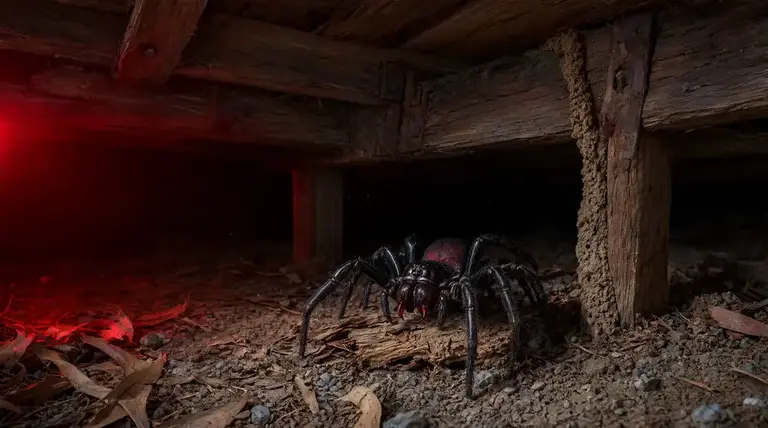
- Messy, tangled webbing: redback spiders web among joists, brackets and stored items in the dark corners of the cavity.
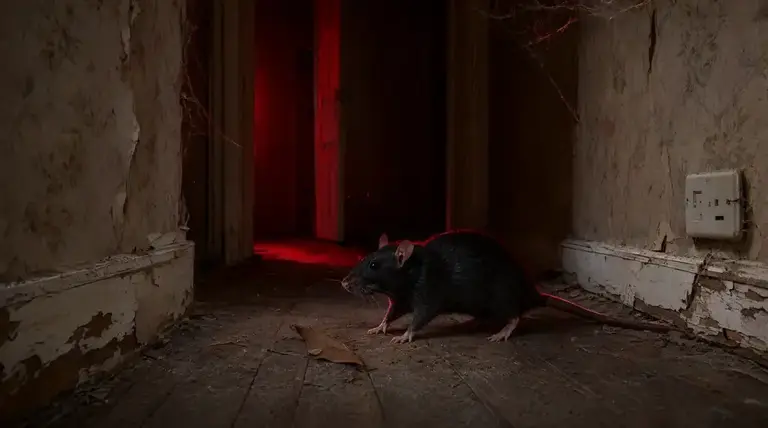
- Droppings and burrows: small dark pellets and soil disturbance at the deck perimeter indicate rodents nesting underneath.
- Paper or mud nests: paper wasps and mud daubers attach nests to the underside of boards and pergola beams.
- Scratching or thumping at dusk: heavier movement after dark usually means a possum has moved in — and possums are protected, so don’t attempt removal yourself.
- Blocked weep holes or a hidden slab edge: if decking covers these, treat the area as uninspectable and assume elevated termite risk.
DIY vs Professional Treatment for Deck Pests
Light prevention — clearing litter, improving airflow, knocking down the odd wasp nest — is reasonable DIY. Anything involving termites, chemicals, enclosed cavities or protected wildlife needs a licensed technician, because access is limited, misidentification is common, and APVMA-regulated products must be applied correctly to work safely and effectively.
| Factor | DIY | Professional |
|---|---|---|
| Termites | Never treat yourself — disturbing activity can scatter the colony | Licensed treatment, barriers and baiting per AS 3660 |
| Redbacks and wasps | Single accessible nests only, with care | Full-cavity treatment, including concealed nests |
| Rodents | Traps and hygiene may reduce numbers | Baiting programs plus entry-point exclusion |
| Possums | Not permitted — protected under state wildlife law | Lawful exclusion and advice on relocation limits |
| Access and inspection | Enclosed decks are nearly impossible to inspect properly | Technicians use moisture meters, boroscopes and hatches |
The under-deck cavity connects directly to the ground, so pests under deck areas deserve the same scrutiny as the void under your floor — our guide to subfloor pests covers the shared risks. If a possum is involved, the rules in our article on a possum and Australian law apply equally beneath decks.
How Much Does Under-Deck Pest Control Cost?
Across the Australian pest control industry, the typical market rate for professional under-deck work sits between $250 and $450 for a general inspection and treatment, with termite work ranging from several hundred dollars for spot treatments up to $2,500–$4,500 for a full chemical barrier or baiting system. These are industry-wide figures — what providers generally charge — and the final price varies with deck size, access, construction type and the species involved.
| Service | Typical market rate (AUD) | What’s included/notes |
|---|---|---|
| Under-deck pest inspection | $250–$450 | Visual and instrument inspection of posts, bearers, joists and slab edge; written report |
| General pest treatment (spiders, wasps, rodents) | $280–$550 | Cavity treatment, nest removal, baiting; licensed technician applies APVMA-registered products |
| Termite spot treatment | $400–$900 | Localised treatment of active workings; usually a first step before broader protection |
| Termite barrier or baiting system | $2,500–$4,500 | Perimeter treatment installed to AS 3660; includes follow-up monitoring |
| Possum exclusion | $300–$700 | One-way doors, perimeter screening, legal compliance with state wildlife rules |
Remember, these are broad Australian market rates — a benchmark for what the industry generally charges, not a fixed quote. Aussie Pest Strike typically comes in well under these figures for the same fully licensed, standards-compliant work, so it’s worth getting a firm price before you book. Call [aps_phone] for an exact quote tailored to your property.
Seasonal Activity: When Deck Pests Are Most Active
Under-deck pest activity in Australia peaks through the warm, wet months from October to March and dips in mid-winter, though termites and rodents remain active year-round inside sheltered cavities. Spring and summer bring termite swarms, wasp nest building and spider breeding, while autumn sees rodents and possums seeking winter cover.
Jan
Feb
Mar
Apr
May
Jun
Jul
Aug
Sep
Oct
Nov
Dec
Typical combined under-deck pest activity across most of Australia: peaking in the humid late-spring to late-summer window, easing through winter, and rising again from September. Northern regions see a flatter, year-round pattern.
Nine times out of ten, the worst termite damage we find started under a deck nobody had looked beneath in years. If your deck is enclosed with no access point, you’re flying blind — build in a hatch and get the timbers checked annually. It costs far less than replacing bearers.
Treat the under-deck zone “e” as part of your home’s pest control perimeter, not the garden. Keep it dry and ventilated with at least 50–100 mm of clearance, remove leaf litter and stored items, use termite-resistant or treated timber on metal post stirrups, screen the perimeter against rodents and possums, and book a professional termite inspection every 12 months — or every 6 months in high-risk northern regions.
Frequently Asked Questions
What pests commonly live under a deck in Australia?
The most common under-deck residents are subterranean termites, redback spiders, rodents, wasps and possums. The dark, sheltered cavity between the decking boards and the ground offers soil contact, moisture and cover, letting these pests breed and nest unnoticed until activity spreads into the house itself.
Why does the space under a deck attract termites?
Deck posts in ground contact can bridge termite barriers and hide entry points from view. The cavity is often in direct contact with soil, stays dark and humid, and can conceal the slab edge or weep holes that technicians rely on to spot termite entry, making it a high-risk zone for concealed activity.
What warning signs suggest pests under my deck?
Look for pencil-width mud tubes on posts or bearers, hollow or blistered-sounding timber when tapped, messy tangled webbing in dark corners, small dark droppings and burrows at the perimeter, paper or mud nests under boards, scratching or thumping at dusk, and blocked weep holes or a hidden slab edge.
Can I remove a possum living under my deck myself?
No. Possums are protected under state wildlife law, so attempting removal yourself is not permitted. A licensed technician can carry out lawful exclusion, such as one-way doors and perimeter screening, and advise on relocation limits that comply with the rules in your state.
Which under-deck pest jobs can I handle myself?
Light prevention is reasonable DIY: clearing leaf litter, improving airflow, removing stored timber and knocking down a single accessible wasp nest with care. Anything involving termites, chemicals, enclosed cavities or protected wildlife needs a licensed technician, because access is limited and misidentification is common.
How much does professional under-deck pest control cost in Australia?
Professional under-deck pest control pricing varies with deck size, access difficulty and the pest involved. A standard inspection and general treatment usually costs less than a full termite barrier or baiting system, which is the priciest option. Factors like subfloor height, decking material and how far an infestation has spread all influence the final quote, so most providers inspect first before quoting.
When are under-deck pests most active through the year?
Activity peaks during the warm, wet months from October to March, when termite swarms, wasp nest building and spider breeding occur, then eases in mid-winter. Autumn brings rodents and possums seeking winter cover, while northern regions see a flatter, year-round pattern of activity.
How do I stop pests establishing under my deck?
Keep the cavity dry and ventilated with at least 50 to 100 mm of clearance, remove leaf litter and stored items, use termite-resistant or treated timber on metal post stirrups, screen the perimeter against rodents and possums, and book a professional termite inspection every 12 months, or every 6 months in high-risk northern regions.
Is a property-specific inspection worthwhile if my deck is enclosed with no access point?
Yes. An enclosed deck with no hatch is effectively uninspectable, meaning concealed termite or rodent activity can build for years unnoticed. Aussie Pest Strike technicians use moisture meters, boroscopes and access hatches to assess posts, bearers, joists and the slab edge properly, giving you a clear picture of what is actually happening beneath your boards before damage spreads into the house.
What should I do first if I suspect termites have bridged my deck into the house?
Do not disturb the area or spray anything, as disturbing activity can scatter the colony and make treatment harder. Contact Aussie Pest Strike for a licensed inspection of the deck cavity and adjoining structural timbers, carried out in line with AS 3660. A written report will identify active workings and set out appropriate barrier or baiting options for your situation.
Sources & further reading
Found Something
Dangerous?
Don’t touch it. Don’t spray it. Keep kids and pets clear, take a photo from a safe distance, and call us — or book a free inspection and we’ll come to you.
02 7235 0050