Rodents in theGarage: EntryPoints and Proofing
Rodents in the — rats in the garage almost always enter through the gap beneath the roller door, unsealed wall penetrations for pipes and cables, or the...
Rats in garage spaces almost always enter through the gap beneath the roller door, unsealed wall penetrations for pipes and cables, or the internal door to the house — and proofing means sealing every gap larger than 6 mm with rodent-resistant materials. This is true whether you live in a brick veneer home in Melbourne, a Queenslander on stumps in Brisbane, or a slab-on-ground build in Perth. Rodent proofing is the single most effective first step in keeping rats and mice out of the rest of your home.
Rodent proofing is the process of physically blocking every entry point a rat or mouse can use, so the population outside never becomes an infestation inside. The garage is often the first room rodents colonise because it is quiet, cluttered and full of stored food — which makes it the smartest place to start. In this guide we cover the exact entry points, the materials that actually hold up against gnawing, realistic Australian costs, and when DIY stops being enough and a professional pest control service becomes the cheaper option.
- A mouse fits through a 6 mm gap (the width of a pencil); a rat needs only a hole the size of a 20-cent coin.
- The roller door seal is the number one garage entry point, followed by pipe and cable penetrations.
- Expanding foam and standard silicone are chewed through — use steel wool, galvanised mesh and metal-backed sweeps.
- Proofing fails if food and nesting clutter remain; store seed and pet food in metal or hard plastic.
- Professional rodent proofing in Australia typically costs $250–$900 depending on the number of entry points.
Why rats in garage spaces attract rodents across Australia
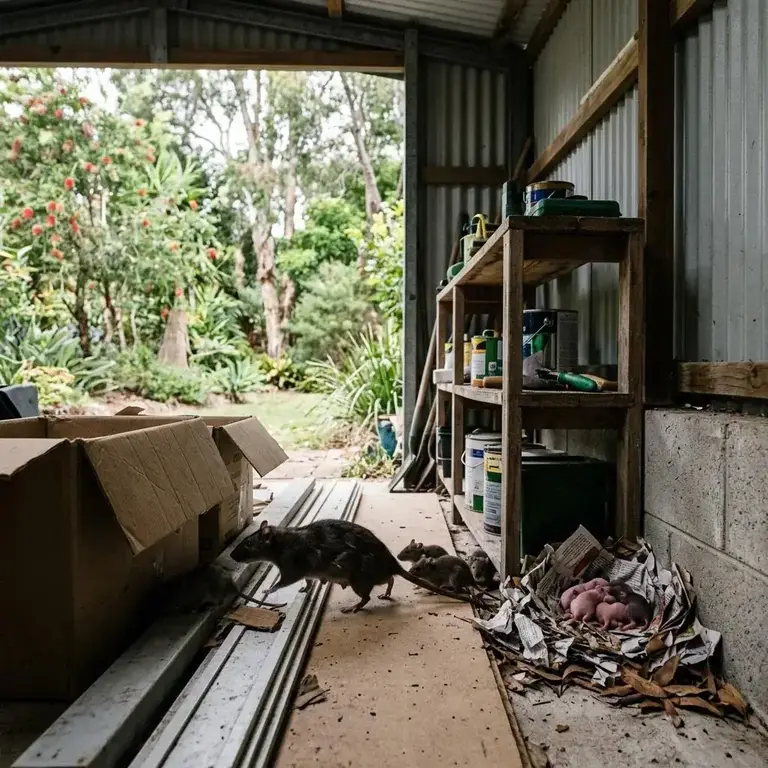
Garages are the ideal first foothold for rodents in Australian homes because they combine shelter, food and undisturbed nesting space within a few metres of the garden. Unlike the house, a garage door opens and closes several times a day, the structure rarely receives the same maintenance attention, and stored items provide cover that hides early activity.
Australian housing styles shape the risk. Slab-on-ground homes — the dominant build in newer estates across Sydney, Melbourne and Perth — tend to have garages integrated into the main footprint, so once rodents are in the garage, wall cavities give them a direct path to the kitchen and roof void. Older weatherboard and Queenslander homes on stumps present a different problem: unscreened subfloor access and vents let rodents move straight from the garden into the underfloor space and up into the walls. Brick veneer construction, common from the 1970s onward, is riddled with weep holes that are perfectly rodent-sized.
Climate drives the timing. Across southern Australia, the first cold snaps of April and May push both black rats (roof rats) and house mice indoors, and pressure peaks through winter. In the subtropical north, activity is steadier year-round but surges after heavy summer rain flushes rodents from burrows and stormwater systems. Roof rats are a particular issue in coastal Queensland and New South Wales — our guide to roof rats in Australia: behaviour, risks and control explains why they so often move from the garage ceiling into the roof void.
Warning signs: a rodent checklist for your garage
The clearest signs of rodents in a garage are droppings along walls, gnaw marks on doors and stored goods, and greasy rub marks near gaps — check these before you see a live animal, because by the time rodents are visible in daylight the population is established. For a whole-home run-down, see our full signs of rats or mice in your home checklist.
- Droppings — rice-sized (mice) or sultana-sized (rats) pellets along walls, on shelving and near pet food or seed bags.
- Gnaw marks — fresh, pale scoring on the rubber door seal, timber, cardboard boxes, and even plastic storage tubs and vehicle wiring.
- Grease marks — dark smears where bodies brush along skirtings, pipes and the base of the roller door.
- Nesting material — shredded paper, insulation or blanket fibres pulled into corners, behind the hot water unit or inside stored boxes.
- Scratching and scurrying — noise at night from wall cavities, the ceiling above the garage, or inside shelving.
- Tracks and runways — dusty floors showing tail drags and clear paths between the entry point and a food source.
- Pet behaviour — dogs fixating on one corner or wall, often the first alert a household gets.
DIY vs professional rodent proofing
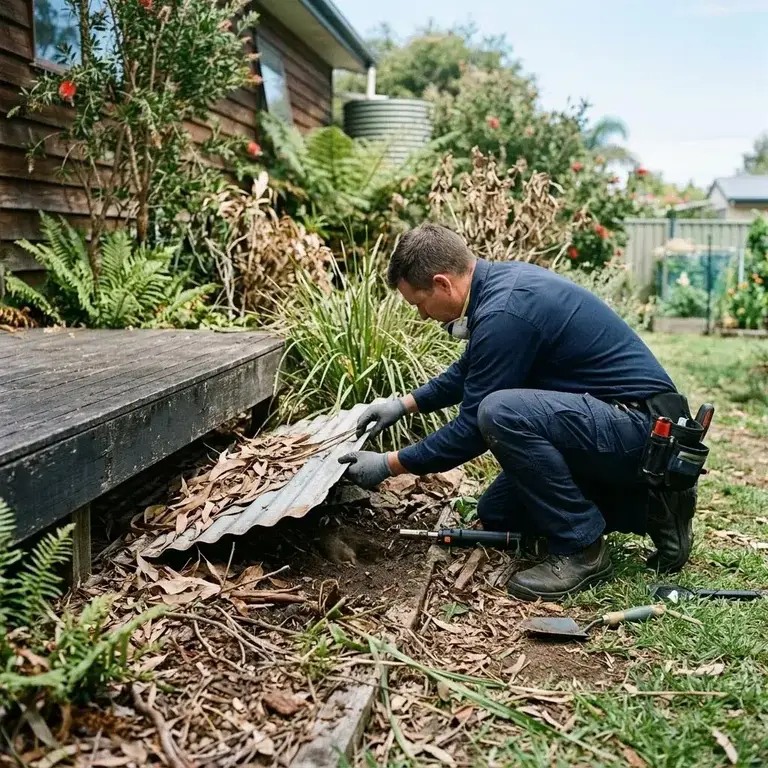
Sealing obvious gaps with the right materials is a legitimate DIY job for a handy homeowner, but finding every entry point — especially those leading into wall cavities and the roof — is where professionals earn their fee. A licensed technician pairs proofing with a proper rodent control and removal program, so you are not sealing live rodents inside the structure.
| Factor | DIY | Professional |
|---|---|---|
| Upfront cost | $50–$150 in materials | $250–$900 depending on scope |
| Finding hidden entry points | Easy to miss roof, subfloor and cavity gaps | Systematic inspection of the whole building envelope |
| Active infestation handling | Traps only; risk of trapping rodents inside | Licensed trapping and baiting before or alongside sealing |
| Materials and fit | Good for accessible gaps if materials are correct | Commercial-grade mesh, flashings and custom-fitted door seals |
| Follow-up | None unless you re-check yourself | Monitoring visits and warranty-backed workmanship |
The honest summary: if you have one visible gap and no signs of an active infestation, DIY proofing is reasonable. If you have droppings, noises in the walls, or rodents returning every winter, read how professionals actually eliminate rats before spending a weekend on foam and silicone that will not last.
How to seal each entry point properly
When dealing with rats in garage spaces, material choice matters as much as coverage, because rodents chew—a rat’s incisors grow continuously and are harder than iron on the Mohs scale, so expanding foam and standard silicone are chewed straight through. Only hard, gnaw-resistant materials hold up.
- Under the roller or tilt door — fit a brush or rubber threshold seal that sits flat against the driveway; a 10 mm gap at one corner is an open invitation, and rats will gnaw a perished astragal wider.
- Pipe and cable penetrations — pack tightly with steel wool first, then seal over the top with a hard-setting product so the fix is both rodent-proof and weatherproof.
- Vents and subfloor access — screen with 6 mm galvanised mesh, fixed firmly so a persistent rat cannot push it aside.
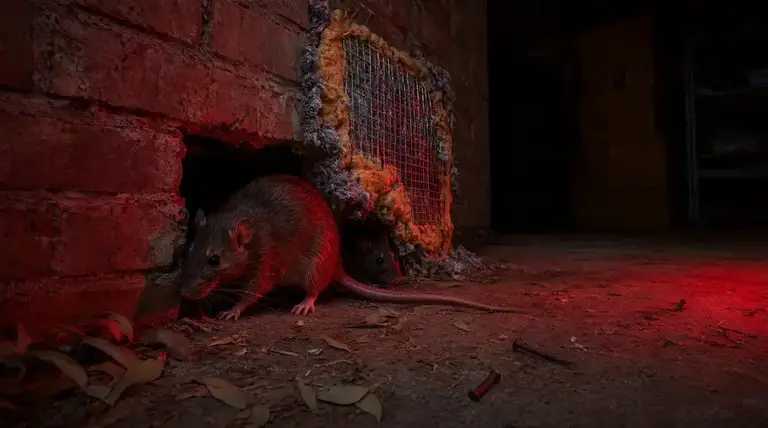
- Brick weep holes — use purpose-made weep-hole covers that keep ventilation working while blocking entry.
- The internal door to the house — fit a metal-backed door sweep and replace worn thresholds; this is the last line of defence between the garage and your kitchen.
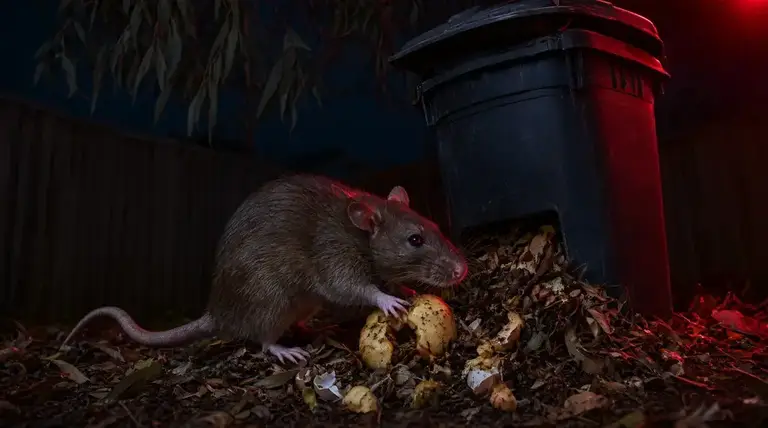
Then remove the reasons they stay. Store pet food, birdseed and grass seed in metal or hard plastic containers, raise stored items off the floor onto shelving so you can spot droppings early, clear cardboard clutter, keep bins closed, and do not leave blankets, cushions or paper where a rat can nest undisturbed. Sealing plus sanitation is what makes proofing stick — sealing alone just redirects a determined rat to the next weak point. A dedicated rodent proofing and exclusion service follows exactly this sequence, across the whole building envelope rather than one room.
What rodent proofing costs in Australia (2025–26)
Across the Australian pest control industry, garage-focused rodent proofing typically costs between $250 and $900, with full whole-home exclusion running higher where roof and subfloor access is difficult. The figures below are typical Australian market rates for 2025–26 and vary by state, property size and infestation severity.
| Service | Typical market rate (AUD) | What’s included/notes |
|---|---|---|
| Inspection and quote | $0–$120 | Entry-point assessment; often free with booked work |
| Garage-only proofing | $250–$450 | Door seal, penetrations, weep holes, internal door sweep |
| Whole-home exclusion | $500–$900+ | Garage plus roof void, subfloor and wall cavity entry points |
| Rodent removal program | $220–$500 | Trapping/baiting over 2–3 visits by a licensed technician |
| Ongoing monitoring | $60–$120 per visit | Quarterly checks; recommended for repeat-infestation properties |
Any chemical treatment should be carried out by a licensed pest control technician using APVMA-registered products, with bait stations placed where children and pets cannot access them. No treatment is risk-free, and a reputable operator will explain placement and safety measures before starting.
Aussie Pest Strike typically comes in well under these market rates, so it’s worth getting an exact quote for your property. Call us on [aps_phone] and we’ll give you a firm price before any work begins.
Seasonal rodent activity in Australian garages
Rodent pressure on Australian garages climbs sharply from late autumn and peaks in winter, when rats and mice push indoors for warmth and food. Northern regions see a steadier baseline with a secondary spike after heavy summer rain.
Jan
Feb
Mar
Apr
May
Jun
Jul
Aug
Sep
Oct
Nov
Dec
Indicative rodent pressure on Australian garages. Activity builds from April, peaks June–August as rodents seek warmth indoors, and eases through spring and summer — the ideal window to complete proofing work.
Nine times out of ten we find the entry point within five minutes — it’s the corner of the roller door or an unsealed conduit hole. What homeowners miss is the second and third gap, usually up at the roofline or behind stored boxes. Proof the garage properly once and you break the cycle of baiting every winter.
Do not wait for winter. Inspect the roller door seal, pipe penetrations and internal door threshold this weekend, seal anything over 6 mm with rodent-resistant materials, and clear stored food and clutter. If you find droppings, gnaw marks or hear scratching, book a professional inspection before sealing — a licensed technician will remove the active population first, then proof every entry point so the problem does not return next season.
Frequently Asked Questions
How do rats and mice get into a garage?
Rodents almost always enter through the gap beneath the roller door, unsealed wall penetrations where pipes and cables pass through, or the internal door leading into the house. A mouse fits through a 6 mm gap — about the width of a pencil — while a rat needs only a hole the size of a 20-cent coin. In homes on stumps, unscreened subfloor vents also provide direct access from the garden.
Which gaps and openings around my garage should I seal first to stop rodents?
Only hard, gnaw-resistant materials hold up against rodents. Pack pipe and cable penetrations tightly with steel wool, then seal over the top with a hard-setting product. Screen vents and subfloor access with 6 mm galvanised mesh fixed firmly in place. Fit brush or rubber threshold seals under roller doors, purpose-made covers over brick weep holes, and metal-backed door sweeps on the internal door. Expanding foam and standard silicone will be chewed straight through.
Why is expanding foam not enough to keep rodents out?
A rat's incisors grow continuously and are harder than iron on the Mohs scale, so rodents chew straight through expanding foam and standard silicone sealants. These products may block a gap temporarily, but they are not rodent-resistant. Use steel wool packed tightly into gaps, galvanised mesh over vents, and hard-setting sealants instead, so the fix is both rodent-proof and weatherproof.
What are the warning signs of rodents in my garage?
Look for rice-sized droppings (mice) or sultana-sized pellets (rats) along walls and shelving, fresh pale gnaw marks on door seals, timber, cardboard and vehicle wiring, and dark greasy smears where bodies brush along skirtings and pipes. Other signs include shredded nesting material in corners or behind the hot water unit, scratching noises at night, tail-drag tracks on dusty floors, and dogs fixating on one corner or wall.
Why is the garage often the first place rodents colonise?
Garages combine shelter, food and undisturbed nesting space within a few metres of the garden. The door opens and closes several times a day, the structure rarely receives the same maintenance attention as the house, and stored items provide cover that hides early activity. Stored pet food, birdseed and cardboard clutter give rodents everything they need, making the garage a stepping stone into the rest of the home.
How does my housing style affect rodent risk?
Older weatherboard and Queenslander homes on stumps have unscreened subfloor access and vents that let rodents move from the garden into underfloor spaces and up into walls. Brick veneer homes have weep holes that are perfectly rodent-sized.
When is rodent activity around garages highest in Australia?
Across southern Australia, the first cold snaps of April and May push black rats and house mice indoors, with pressure peaking through winter. In the subtropical north, activity is steadier year-round but surges after heavy summer rain flushes rodents from burrows and stormwater systems. Roof rats are a particular issue in coastal Queensland and New South Wales, often moving from the garage ceiling into the roof void.
Should I proof my garage myself or hire a professional?
A single visible gap can be a manageable DIY job if you use rodent-proof materials such as steel mesh or metal flashing. The challenge is finding every entry point, including hidden gaps leading into wall cavities, the roof line and subfloor, which often takes training and experience to spot. If you have droppings, noises in walls, or rodents returning each winter, a professional can inspect the whole building envelope and combine proofing with trapping or baiting so live rodents are not sealed inside.
I have tried sealing gaps but rodents keep returning to my garage — what next?
If rodents return after your own proofing efforts, it usually means hidden entry points remain or an active population is established inside wall cavities or the roof. Aussie Pest Strike can carry out a systematic inspection of the whole building envelope, identify the gaps you missed, and pair exclusion work with a proper removal program so you are not sealing live rodents inside. Contact us for an assessment of your garage and surrounding structure.
Can Aussie Pest Strike help me find every rodent entry point before I start proofing?
Yes. Because mice fit through 6 mm gaps and rats through coin-sized holes, a thorough inspection is the smartest first step before buying materials. Aussie Pest Strike can assess your roller door seal, pipe and cable penetrations, weep holes, subfloor vents and internal door, then recommend the right combination of steel wool, galvanised mesh and door seals for your property. Get in touch to arrange an inspection and a firm quote before any work begins.
Sources & further reading
Found Something
Dangerous?
Don’t touch it. Don’t spray it. Keep kids and pets clear, take a photo from a safe distance, and call us — or book a free inspection and we’ll come to you.
02 7235 0050