Ants in Dishwashersand Appliances: Why andWhat to Do
Ants in Dishwashers and Appliances — Ants in dishwashers — Ants in dishwasher — ants in the dishwasher, kettle, microwave or coffee machine are chasing...
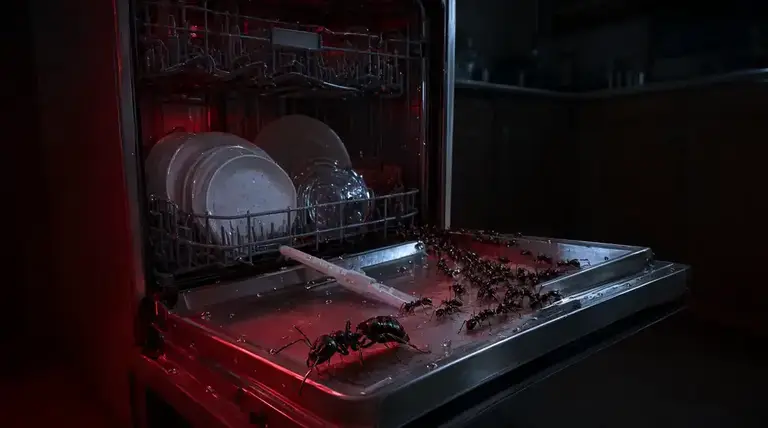
Finding a trail of ants marching into your dishwasher, coffee machine or microwave is one of the most common kitchen complaints Australian pest controllers hear — especially through summer. Ants in dishwashers and appliances are chasing warmth, moisture and food residue, and the appliance itself is almost never the nest; it is simply a convenient harbourage on the way to somewhere else. When people search “ants n appliances” they are usually really asking where the colony is hiding.
Ants in dishwashers and appliances are defined as foraging worker ants using the warm, humid cavities inside kitchen machines as resting and feeding sites, with the actual nest located elsewhere — typically in a wall void, garden bed or under the slab. The good news is that clearing the food source, erasing the scent trail and baiting the colony stops the problem for good, without spraying chemicals near the surfaces where you prepare food.
- Ants enter dishwashers, kettles, microwaves and coffee machines for warmth, trapped moisture and food residue — the appliance is rarely the nest.
- Black house ants and Argentine ants are the usual suspects in Australian kitchens, particularly from December to February.
- A methodical clean with hot soapy water and diluted vinegar erases pheromone trails and breaks the pattern within days.
- Gel bait placed on the trail — never spray inside the appliance — carries the treatment back to the colony.
- Persistent activity usually means a nest nearby that needs professional treatment, typically $180–$450 AUD depending on scope.
Why Ants in Dishwashers n Appliances Are So Common Across Australia
Australian conditions are close to perfect for kitchen ant activity: long hot summers, mild winters in the north, and housing styles that give colonies easy access to wall cavities and subfloor voids. When outdoor food and water dry up in the heat, the insulated, humid space inside an appliance becomes an ideal harbourage for foraging workers.
Modern appliances run warm, hold trapped moisture and collect crumbs, sugar film and grease in seams you never clean. Sugar-loving species like black house ants and Argentine ants (Linepithema humile) find these micro-environments irresistible, especially during the December to February heat. Housing matters too. Homes on concrete slabs often see ants entering through weep holes and expansion joints; older Queenslanders on stumps give colonies open access to the subfloor; and brick veneer construction leaves a cavity behind the external wall that ants travel like a highway. If you are unsure which species you are dealing with, our guide to common Australian ant species found in homes will help you identify the culprit.
The usual hotspots include:
- Dishwasher door seals and the sump, where rinse residue collects
- The drip tray and bean chute of coffee machines
- Microwave turntable rims and vent slots
- The warm underside of fridges near the compressor
- Kettle bases and the gap between the toaster and benchtop
Warning Signs of an Appliance Ant Problem
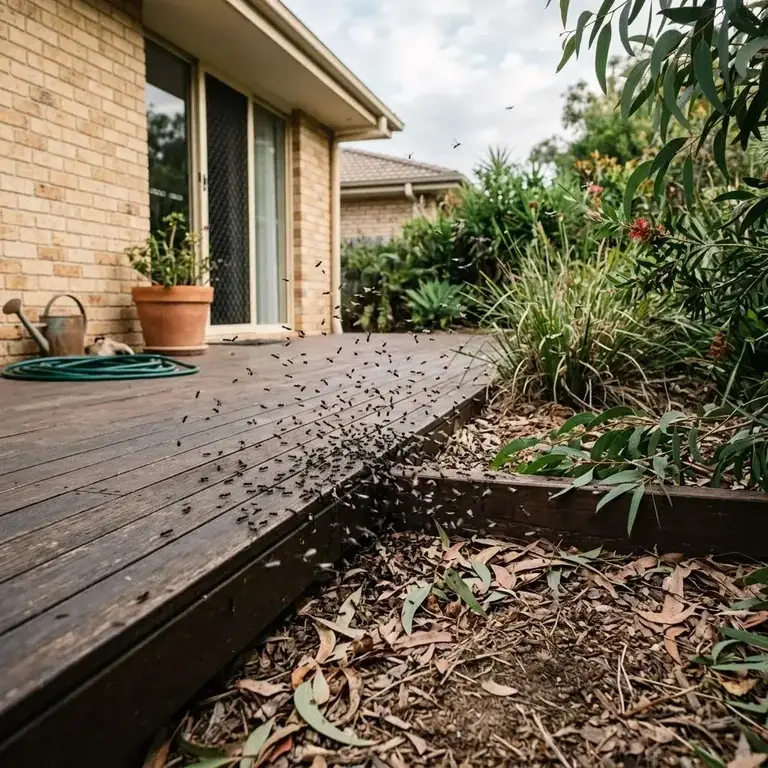
The clearest warning sign is a visible trail of workers moving to and from the same appliance at the same times each day. Ant activity is rarely random — it follows an established pheromone route from an entry point to a food or moisture source.
- Repeated trails to one appliance — workers appearing at the dishwasher or coffee machine daily, even after cleaning, indicates an active pheromone highway.
- Ants emerging from seams and vents — activity around door seals, control panels or ventilation slots suggests they are harbouring inside the unit, not just visiting.
- Activity after rain or heatwaves — sudden surges often mean an outdoor nest has been flooded or baked dry and the colony is relocating foragers indoors.
- Fine soil or debris near cabinetry kickboards — a sign the nest itself may be in the wall void or under the slab behind the appliance.
- Ants in multiple rooms — if you are also seeing them in the bathroom or pantry, the problem is bigger than one appliance and may overlap with other stored-food pests covered by our Silverfish & Pantry Pest Control service.
DIY Cleaning and Baiting vs Professional Treatment
A methodical DIY reset handles most light infestations within days, while recurring or heavy activity points to a nest that needs professional attention. Move step by step rather than reaching for a spray can, which contaminates surfaces near food and scatters the colony without killing it.
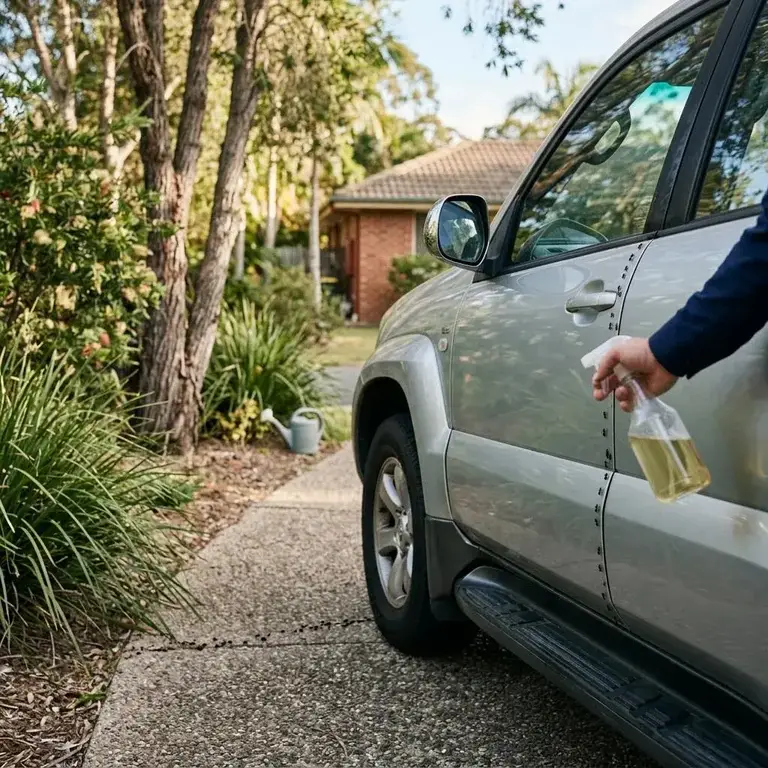
The DIY reset works like this: unplug the appliance and let it cool where possible; remove trays, seals and filters and wash them in hot soapy water; wipe every seam with a diluted vinegar solution to erase pheromone trails; run an empty hot cycle in the dishwasher to flush the sump; and vacuum the surrounding cupboard and floor edges. Vinegar matters because ants navigate by scent — wiping with water alone leaves the trail intact and workers return within the hour. Diluted vinegar breaks down the pheromone chemistry so scouts must start their search from scratch.
Coffee machines deserve special attention because the warm, sweet residue in the drip tray and bean chute is exactly what sugar-feeding ants seek. Empty and rinse the tray daily, and pull the machine out to clean the bench behind it. Fridges are similar: the compressor area runs warm year-round, giving ants a comfortable staging point even in cooler months. A monthly wipe of these hidden warm zones removes the incentive before a trail ever forms.
| Do | Avoid |
|---|---|
| Place gel bait on the ant trail, not inside the appliance | Spraying insecticide inside a dishwasher or microwave |
| Keep bench and appliance seams food-free | Leaving damp trays and drip pans overnight |
| Seal external entry gaps around cabinetry | Ignoring the outdoor nest the trail leads to |
| Wipe seams with diluted vinegar to break scent trails | Using surface sprays that scatter and split the colony |
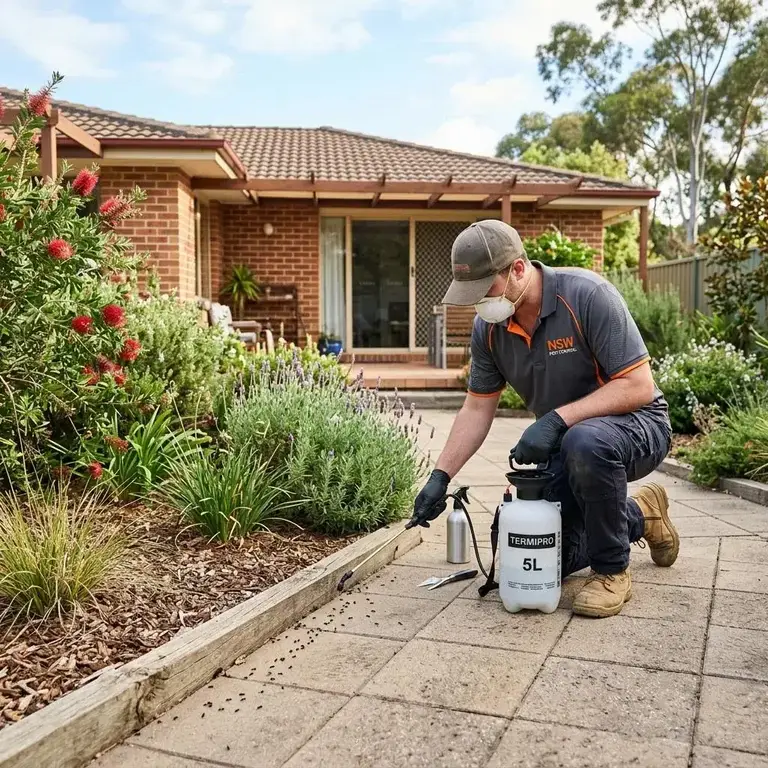
Baiting away from the appliance works because workers carry the active ingredient back to the colony and feed it to the queen. Before you reach for a can, read Ant Control: Why Sprays Often Make the Problem Worse — repellent sprays frequently cause budding, where one colony splits into several. If the same appliance keeps drawing black ants, targeted treatment outlined in our Black House Ants: The Complete Control Guide is the durable answer, and a licensed technician can apply APVMA-registered gel baits and nest treatments safely around food areas.
What Does Ant Pest Control Cost in Australia?
Across the Australian pest control industry, a standard residential ant treatment in 2025-26 generally sits between $180 and $450 AUD, depending on property size, species involved and whether the nest can be located and treated directly. Kitchen-focused jobs typically sit at the lower end of that market range.
| Service | Typical cost (AUD) | What’s included/notes |
|---|---|---|
| Kitchen ant inspection and internal baiting | $180–$260 | Species identification, gel bait placement on trails, entry-point advice |
| Internal and external ant treatment | $250–$380 | Baiting plus external perimeter and nest treatment around slab or subfloor |
| Severe or multi-colony infestation | $380–$450+ | Multiple visits, wall-void dusting, follow-up baiting program |
| Ongoing seasonal plan | $220–$350 per visit | Quarterly treatments timed to spring and summer pressure |
These are typical Australian market rates, and they vary between states and between metropolitan and regional areas. Larger homes on acreage blocks generally cost more to treat across the industry. Our Ant Control & Nest Treatment service always starts with an inspection so you know exactly what you are paying for before work begins.
It’s worth noting that Aussie Pest Strike typically comes in well under these market rates — we keep our pricing sharp without cutting corners on treatment quality. For an exact quote tailored to your property, call us on [aps_phone] today.
Seasonal Ant Activity Around Australian Kitchens
Ant activity inside Australian homes peaks from late spring through summer and drops sharply over winter in the southern states. In Queensland and the Northern Territory, warm temperatures and the wet season keep activity elevated almost year-round.
Jan
Feb
Mar
Apr
May
Jun
Jul
Aug
Sep
Oct
Nov
Dec
Indicative indoor ant activity across southern Australia. Activity climbs from September, peaks December to February as outdoor food dries up, and eases through autumn and winter. Northern regions see a flatter, year-round pattern with spikes after heavy rain.
Nine times out of ten, the ants in a customer’s dishwasher are just the visible tip of a nest in the wall cavity or under the slab behind the kitchen. Clean the appliance, bait the trail properly, and the problem resolves. Spray inside the machine and you will contaminate a food surface and split the colony into three new ones.
Start with the step-by-step clean: hot soapy water on all removable parts, diluted vinegar on every seam, and an empty hot cycle. Then place gel bait on the trail outside the appliance and give it a week. If ants return to the same machine after two proper resets, the nest is close by and needs professional treatment — book an inspection rather than escalating DIY chemicals around food areas.
Frequently Asked Questions
Why are there ants in my dishwasher?
Ants enter dishwashers for warmth, trapped moisture and food residue such as rinse film collecting in the door seals and sump. The appliance itself is almost never the nest — it is a convenient harbourage on the way to a colony hiding elsewhere, typically in a wall void, garden bed or under the slab. Clearing the food source, erasing the scent trail and baiting the colony resolves the problem.
Which ant species invade kitchen appliances in Australia?
Black house ants and Argentine ants (Linepithema humile) are the usual suspects in Australian kitchens. Both species are strongly attracted to sugar, so the sweet residue in coffee machine drip trays and bean chutes is especially appealing. Activity peaks from December to February as outdoor food and water dry up during summer heat, pushing foraging workers indoors toward warm, humid appliances.
How do I clean ants out of my dishwasher safely?
Unplug the appliance and let it cool, then remove trays, seals and filters and wash them in hot soapy water. Wipe every seam with diluted vinegar to erase pheromone trails, run an empty hot cycle to flush the sump, and vacuum surrounding cupboard and floor edges. Never spray insecticide inside the dishwasher — it contaminates surfaces near food and scatters the colony without killing it.
Why does vinegar work better than water for cleaning ant trails?
Ants navigate by scent, following established pheromone routes between their nest and a food source. Wiping with plain water leaves that chemical trail intact, so workers return within the hour. Diluted vinegar breaks down the pheromone chemistry, forcing scouts to start their search from scratch. Combined with removing food residue, this breaks the pattern within days.
Where should I place ant bait if I find ants in an appliance?
Place gel bait on the ant trail outside the appliance, never inside it. Workers carry the active ingredient back to the colony and feed it to the queen, eliminating the nest at its source. Spraying inside a dishwasher or microwave contaminates food-prep surfaces and can cause budding, where one colony splits into several new ones, making the problem worse.
What are the warning signs of an appliance ant problem?
Key signs include repeated trails of workers moving to and from the same appliance at the same times each day, ants emerging from seams, vents or control panels suggesting they harbour inside the unit, sudden surges after rain or heatwaves when outdoor nests flood or dry out, fine soil debris near cabinetry kickboards, and activity spreading to multiple rooms like the bathroom or pantry.
Why do ants keep returning to my fridge and coffee machine?
The warm compressor area under fridges runs year-round, giving ants a comfortable staging point even in cooler months. Coffee machines offer warm, sweet residue in drip trays and bean chutes that sugar-feeding ants seek. Empty and rinse the coffee tray daily, pull the machine out to clean behind it, and wipe hidden warm zones monthly to remove the incentive before trails form.
When do ants in appliances need professional treatment?
Call a professional when ant activity in your dishwasher or other appliances persists after thorough cleaning, baiting and sealing entry points, or when you see large numbers of ants returning daily. Heavy trails, multiple rooms affected, or ants nesting inside wall cavities near the kitchen usually indicate a colony too established for DIY methods. A technician can identify the species, locate the nest and apply targeted gel baits safely around food areas.
How can Aussie Pest Strike help with ants in my dishwasher or appliances?
Aussie Pest Strike starts every ant job with an inspection, so you know exactly what is happening before any treatment begins. For appliance infestations, technicians can identify whether black house ants or Argentine ants are involved, place gel baits on trails away from food surfaces, and locate and treat the nest in the wall void or slab behind your kitchen. They can also advise on entry-point sealing and seasonal timing.
What should I do before booking an ant inspection for my kitchen appliances?
Before calling Aussie Pest Strike, complete the basic reset: unplug affected appliances, wash removable parts in hot soapy water, wipe seams with diluted vinegar, run an empty hot cycle in the dishwasher, and vacuum cupboard edges. Note where and when you see trails, which appliances are involved, and any soil debris near kickboards. This information helps the technician pinpoint the nest location and plan targeted baiting efficiently.
Sources & further reading
Found Something
Dangerous?
Don’t touch it. Don’t spray it. Keep kids and pets clear, take a photo from a safe distance, and call us — or book a free inspection and we’ll come to you.
02 7235 0050