Bull Ants inAustralia: ID,Stings and Control
Bull ants in — bull ants are large, aggressive native Australian ants of the genus Myrmecia , easily recognised by their size (up to 40 mm), powerful jaws...
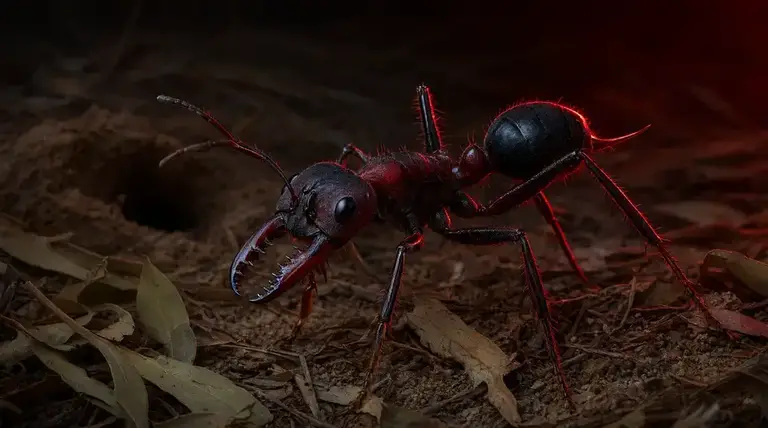
Bull ants are among the most recognisable — and most feared — insects in Australian backyards. A bull ant is a large, aggressive native ant of the genus Myrmecia, identified by its size (up to 40 mm), long straight mandibles, excellent eyesight and a painful venomous sting that can trigger serious allergic reactions. Australia-wide, from suburban Sydney gardens to Tasmanian bush blocks, these ants turn lawns, sandpits and vegie patches into stinging hazards.
If a colony has set up near your home, the safest response is to locate the nest and have it treated professionally rather than provoking a defensive colony with a hardware-store spray. This guide covers identification, sting first aid, warning signs, DIY versus professional pest control, realistic 2025-26 costs in AUD, and when bull ants are most active across the country.
- Bull ants (genus Myrmecia) reach 8-40 mm, forage alone, see well and will pursue intruders several metres from the nest.
- Their sting injects venom that causes intense local pain and swelling; in allergic individuals it can cause anaphylaxis — call 000 for breathing difficulty or facial swelling.
- Nests are underground with a visible soil or gravel mound; treating foragers on the surface never controls the colony.
- DIY surface sprays usually fail and increase your sting risk — professional nest treatment is safer and more effective.
- Typical professional ant nest treatment in Australia costs roughly $180-$450 AUD depending on nest size, access and property type.
Why Bull Ants Matter Across Australia
Bull ants matter because they combine an aggressive defensive response with a sting capable of causing anaphylaxis, and they nest exactly where Australians live and play. Around 90 Myrmecia species occur nationwide, thriving in everything from coastal heath to inland gardens.
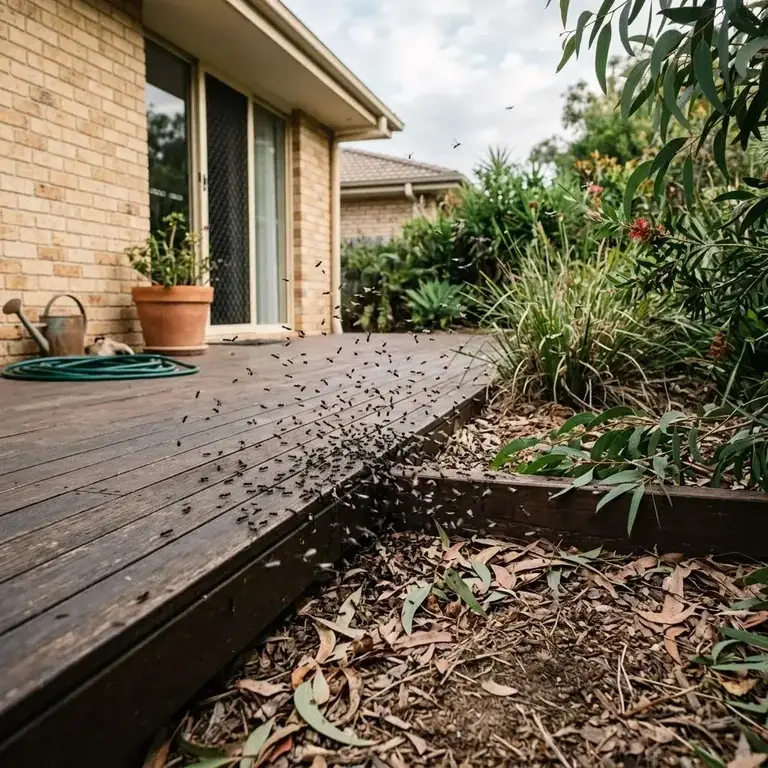
Australian housing makes encounters common. Homes on concrete slabs with established garden beds, older Queenslanders with open subfloors and yard space, and brick veneer houses backing onto bushland edges all sit within foraging range of a colony. Workers routinely travel tens of metres from the nest entrance, so a mound at the back fence still means ants across the whole yard. Warmer months — roughly September through to autumn — coincide with peak outdoor living, which is when stings spike. In Tasmania and Victoria, the jack jumper ant (a bull ant relative) is a leading cause of insect-sting anaphylaxis, and dedicated venom immunotherapy programs exist for severely allergic people. For a broader picture of what else might be sharing your yard, see our guide to common Australian ant species found in homes.
Warning Signs of a Bull Ant Nest on Your Property
The clearest warning sign is a soil or gravel mound with a visible entrance hole, usually in lawns, garden beds or along bushland edges. Confirm the colony with this checklist before you go anywhere near it:
- Large solitary ants — workers 8-40 mm long foraging alone, not in dense trails like sugar ants.
- A gravel or soil mound — the excavated nest entrance, often beside paths, clotheslines or garden edges.
- Ants tracking your movement — bull ants have excellent eyesight and will turn to watch you from a distance.
- Defensive lunging or jumping — workers that rear up, lunge or pursue you when you approach the mound.
- Repeated stings in one area — family members or pets stung near the same part of the yard.
- Seasonal surges — activity ramping up from early spring and peaking over summer.
If the ants you’re seeing are small, trailing and heading for the pantry instead, you’re likely dealing with a different pest — our black house ants control guide and silverfish and pantry pest control page cover those indoor invaders.
DIY vs Professional Bull Ant Control
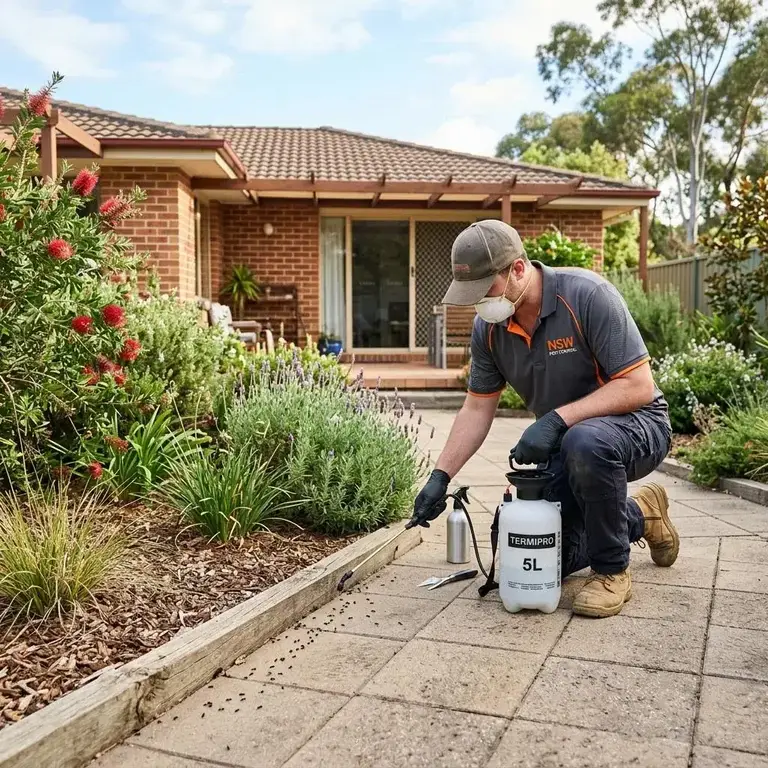
DIY control of a bull ant nest is risky and rarely works, because the colony defends aggressively and surface sprays almost never reach the queen deep underground. Professional pest control targets the nest directly with APVMA-registered products applied by licensed technicians. It’s worth understanding why surface sprays often make ant problems worse before reaching for the aerosol can.
| Factor | DIY approach | Professional treatment |
|---|---|---|
| Sting risk | High — close contact with a defensive colony | Low — technician uses protective gear and standoff methods |
| Nest reach | Surface sprays rarely penetrate to the queen | Nest is located and treated directly |
| Longevity | Colony often persists for years | Colony eliminated at the source, typically with a service warranty |
| Cost | $20-$60 in products, often repeated | $180-$450 once, with follow-up if needed |
Bull Ant Treatment Costs in Australia (2025-26)
Across Australia, professional bull ant nest treatment typically costs between $180 and $450 AUD, depending on the number of nests, property size and access. The figures below reflect typical industry-wide market rates for 2025-26 — what pest control companies across the country generally charge — not a quote from any one provider.
| Service | Typical market rate (AUD) | What’s included/notes |
|---|---|---|
| Inspection and quote | Free (industry standard) | On-site nest location, species ID, fixed written quote |
| Single nest treatment | $180-$280 | Direct nest treatment by a licensed technician |
| Multiple nests / large yard | $280-$450 | All located nests treated, perimeter advice included |
| Follow-up visit | Often included | Covered under service warranty if activity persists |
Full details of what’s involved are on our Ant Control & Nest Treatment service page.
Here’s the good news: Aussie Pest Strike typically comes in well under these typical market rates, without cutting corners on treatment quality or warranty. For an exact quote tailored to your property, call us today on [aps_phone].
Seasonal Bull Ant Activity in Australia
Bull ant activity peaks from late spring through summer and eases off over winter, when colonies slow down underground. In southern states the season runs roughly September to April; in warmer northern regions, activity can persist nearly year-round.
Jan
Feb
Mar
Apr
May
Jun
Jul
Aug
Sep
Oct
Nov
Dec
Typical bull ant foraging activity across southern Australia: low through winter, building from September and peaking December-February. Northern regions see a longer, flatter season.
Stings and First Aid
A bull ant sting is genuinely painful and injects venom that causes intense local swelling; for a small number of Australians it triggers anaphylaxis, a medical emergency. Treat reactions according to severity:
| Reaction | Signs | Action |
|---|---|---|
| Local | Sharp pain, redness, swelling | Cold pack, keep still, antihistamine if needed |
| Large local | Swelling over a wide area | Monitor, seek medical advice if spreading |
| Anaphylaxis | Breathing difficulty, facial swelling, faintness | Call 000 immediately, use an adrenaline injector if prescribed |
Anyone with a known insect-sting allergy should treat a nest near play areas as a serious hazard and carry their prescribed adrenaline injector when outdoors.
The biggest mistake we see is homeowners hosing or spraying the mound — you cop the stings and the queen stays put a metre underground. We locate every entrance, treat the nest directly and check the surrounding yard for satellite activity. Done properly, one visit usually sorts a colony that’s been there for years.
Don’t approach or disturb the mound. Keep children and pets away from the area, note where foragers are active, and book a professional inspection. Licensed pest control technicians can identify the species, treat the nest directly with APVMA-registered products and advise on preventing recolonisation — far safer and more effective than repeated DIY attempts.
Frequently Asked Questions
How do I identify a bull ant in my Australian garden?
Bull ants are large native ants of the genus Myrmecia, with workers ranging from 8 to 40 mm long. They have long straight mandibles, excellent eyesight and a painful venomous sting. Unlike sugar ants, they forage alone rather than in dense trails. They will often turn to watch you from a distance and may rear up, lunge or pursue you if you approach their nest.
What does a bull ant nest look like?
A bull ant nest is underground with a visible mound of excavated soil or gravel around the entrance hole. These mounds commonly appear in lawns, garden beds, sandpits and along bushland edges, often beside paths, clotheslines or garden boundaries. Workers routinely travel tens of metres from the entrance, so a mound at the back fence can still mean ants across your whole yard.
How painful is a bull ant sting and what should I do about it?
A bull ant sting causes sharp, intense local pain with redness and swelling because the ant injects venom. For a local reaction, apply a cold pack, keep still and use an antihistamine if needed. Anyone with a known insect-sting allergy should carry their prescribed adrenaline injector when outdoors.
When should I call 000 after a bull ant sting?
Warning signs include breathing difficulty, facial swelling and faintness. Use an adrenaline injector straight away if one has been prescribed. In Tasmania and Victoria, the jack jumper ant, a bull ant relative, is a leading cause of insect-sting anaphylaxis, so reactions in these states deserve particular caution.
Why doesn't spraying a bull ant nest from the hardware store work?
Surface sprays rarely penetrate deep enough to reach the queen, who sits roughly a metre underground. Hosing or spraying the mound also puts you in close contact with a defensive colony, greatly increasing your sting risk while leaving the colony intact to persist for years. Treating visible foragers on the surface never controls the colony itself.
What does professional bull ant nest treatment involve?
Professional treatment starts with locating every nest entrance and identifying the species. A licensed technician then treats the nest directly using APVMA-registered products, rather than relying on surface sprays that never reach the queen. The surrounding yard is also checked for satellite activity. Done properly, a single visit usually resolves a colony that has been established for years.
How long does it take to get rid of a bull ant nest after treatment?
Professional bull ant treatment costs vary by provider, property size and how many nests need attention. A single nest is usually the cheapest job, while multiple nests or larger yards take longer and cost more. Most pest controllers offer a free inspection or quote first, so you can compare options before committing. Factors like nest location, access difficulty and whether follow-up visits are needed will influence the final price.
When are bull ants most active in Australia?
Bull ant activity peaks from late spring through summer and eases off over winter when colonies slow down underground. In southern states the season runs roughly September to April, with foraging peaking between December and February. In warmer northern regions, activity can persist nearly year-round with a longer, flatter season. Stings spike over summer when outdoor living peaks.
What happens during an Aussie Pest Strike inspection for bull ants?
An inspection begins with locating the nest entrances on your property and identifying the Myrmecia species involved. The technician assesses how many nests are present, checks the surrounding yard for satellite activity and notes where foragers are active. You receive a fixed written quote based on nest size, access and property type before any treatment proceeds, so you know exactly what is proposed.
What should I do before Aussie Pest Strike arrives to treat a bull ant nest?
Do not approach, hose or spray the mound, as disturbing it provokes a defensive colony and raises your sting risk. Keep children and pets away from the area, note where foragers are active and which parts of the yard they use, and mention any family members with known insect-sting allergies. This information helps the technician plan safe access and targeted nest treatment.
Sources & further reading
Found Something
Dangerous?
Don’t touch it. Don’t spray it. Keep kids and pets clear, take a photo from a safe distance, and call us — or book a free inspection and we’ll come to you.
02 7235 0050