Cockroaches inDrains: Stopping theEntry Point
Cockroaches in drains enter through floor wastes and pipe gaps. Learn how to seal entry points, restore water seals and stop drain roaches. Free quote available.
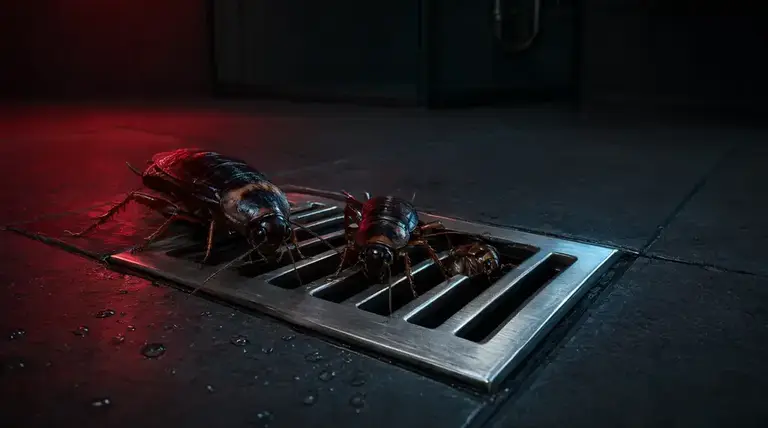
Cockroaches in drains enter your home by crawling up through floor wastes, sink overflows and unsealed pipe penetrations, drawn by the warmth, moisture and food residue that drain lines offer. If you’ve spotted a roach near the bathroom floor waste or kitchen sink, the drain network is the most likely entry point — and it’s one of the most common sources of infestation we treat across Australia.
Stopping cockroaches in drains means sealing those entry points, keeping traps wet, and removing the organic sludge they feed and breed in. This guide walks you through exactly how drain entry happens, the warning signs to watch for, a step-by-step sealing plan, and realistic 2025-26 pricing for professional treatment, so you can shut down the drain superhighway for good.
- Drains provide cockroaches with humidity, buffered temperatures and a food supply of grease, hair and biofilm — everything they need to thrive.
- American cockroaches (35–40 mm) are Australia’s classic drain species, able to squeeze through a 3 mm gap and survive brief submersion.
- Dry floor-waste traps are the number-one entry point — pour half a litre of water into unused drains weekly to restore the water seal.
- Bleach and household chemicals down the plughole won’t stop drain roaches; sealing, screening and enzyme cleaning will.
- Professional drain treatment with insect growth regulators typically costs $250–$450 as part of a broader cockroach program.
Why cockroaches in drains are such a problem in Australian homes
Drains are a cockroach superhighway because they deliver constant humidity, stable temperatures and a ready food source in one protected tunnel system — conditions that suit cockroaches perfectly in every Australian climate zone. From humid Brisbane summers to Melbourne’s cooler winters, the inside of a drain line stays warm and moist year-round, which is why drain-based infestations don’t follow the same seasonal die-off as outdoor pests.
The species most commonly found in Australian drains is the American cockroach (Periplaneta americana), a large reddish-brown roach growing to 35–40 mm. As covered in our American Cockroaches in Australia: ID and Control Guide, this species can flatten its body to squeeze through a gap as narrow as 3 mm and can hold its breath underwater for up to 40 minutes — so a water seal only works if it’s actually there.
Housing style matters too. Older Queenslanders and raised weatherboard homes often have vented subfloors and ageing pipework with unsealed penetrations, giving roaches easy access points. Brick veneer homes on concrete slabs tend to have fewer subfloor entry routes but still suffer through floor wastes, laundry drains and dishwasher hose gaps. Apartments and terraces face the added problem of shared sewer and stormwater lines, which is why residents report roaches even in spotless kitchens — a pattern also seen with Oriental cockroaches, the drain dweller.
How they travel through the system
- Through the shared sewer and stormwater network between properties.
- Up dry floor-waste traps where the water seal has evaporated.
- Via cracked pipes and unsealed penetrations under sinks.
- Through gaps around the dishwasher and washing-machine waste hoses.
Peak activity comes in the humid December–February months, when warm nights push roaches out of the sewer network to forage, and again after heavy rain floods stormwater lines and drives them upward looking for dry harbourage. If your bathroom suddenly hosts a large roach after a summer storm, the drain is almost certainly the route in.
Warning signs that cockroaches are using your drains
The clearest sign of drain-dwelling cockroaches is seeing large roaches at night near floor wastes, sinks or laundries rather than around food storage areas. Because drain roaches enter from below, the evidence clusters around plumbing rather than pantries — at least early on. Cross-check what you find against the 7 Signs of a Cockroach Infestation You Shouldn’t Ignore to gauge how established the problem is.
- Night-time sightings near drains — large reddish-brown roaches emerging from bathroom, laundry or kitchen floor wastes after dark.
- Roaches after heavy rain — a sudden spike in activity following storms, as flooded stormwater lines push roaches up toward dry ground.
- Musty, oily odour near plumbing — a persistent smell around floor wastes or under sinks can indicate roach activity in the drain line.
- Droppings around drain grates — dark, cylindrical pellets or smear marks on tiles near wastes and overflows.
- Egg cases in pipe cavities — brownish oothecae tucked behind sink cabinets, near penetrations or in the subfloor around pipework.
- Dry or gurgling floor wastes — drains that smell or gurgle often have evaporated or faulty water seals, which is an open door for roaches.
One important distinction: if you’re seeing small tan roaches with two dark stripes behind the fridge or in cupboard hinges instead, you’re likely dealing with a kitchen-based German cockroach problem. Our guide to German Cockroach Infestations: Why They’re So Hard to Kill explains why that species needs a different treatment approach entirely.
DIY vs professional drain cockroach treatment
Basic drain maintenance — restoring water seals, fitting screens and flushing with enzyme cleaner — is well within DIY reach and should be your first line of defence. Professional pest control becomes necessary when roaches keep surfacing despite good hygiene, when you live in a multi-unit building on shared drainage, or when the infestation has spread beyond the drains into kitchens and wall voids.
| Factor | DIY approach | Professional treatment |
|---|---|---|
| Entry-point sealing | Caulk, drain screens and grate covers from hardware stores | Full inspection identifies hidden penetrations, cracked collars and subfloor gaps |
| Drain treatment | Hot water flushes and enzyme-based cleaners; household sprays have limited reach | Insect growth regulators and targeted residuals applied by licensed technicians |
| Effectiveness | Good for prevention and minor activity | Treats the pathway and the harbourage, not just visible roaches |
| Shared drainage (units/terraces) | Cannot address roaches arriving from neighbouring properties | Coordinated treatment across units can break the shared-drain cycle |
| Typical cost | $30–$120 in materials | $250–$450 for a drain-inclusive cockroach treatment |
How much does drain cockroach treatment cost in Australia?
Across the Australian market in 2025-26, professional treatment for cockroaches entering through drains typically costs between $250 and $450, depending on property size, species and whether drain treatment is bundled with a general cockroach program. Industry rates vary between metro and regional areas, and severe infestations or multi-unit coordination will generally sit at the higher end of the market.
| Service | Typical market rate (AUD) | What’s included/notes |
|---|---|---|
| Inspection and quote | $0–$150 | Assessment of drains, entry points and harbourage; many operators waive this with a treatment booking |
| Standard cockroach treatment (incl. drains) | $250–$450 | Residual spray, gel baiting and drain-line treatment for a standard home — the common industry range |
| Severe or large-property treatment | $400–$650 | Multi-visit programs, subfloor treatment, growth regulator application |
| Apartment/unit coordination | $180–$350 per unit | Typical per-unit market pricing when multiple lots are treated together to break the shared-drain cycle |
| Ongoing prevention plan | $250–$500 per year | Scheduled follow-up treatments and monitoring, typically quarterly or biannual |
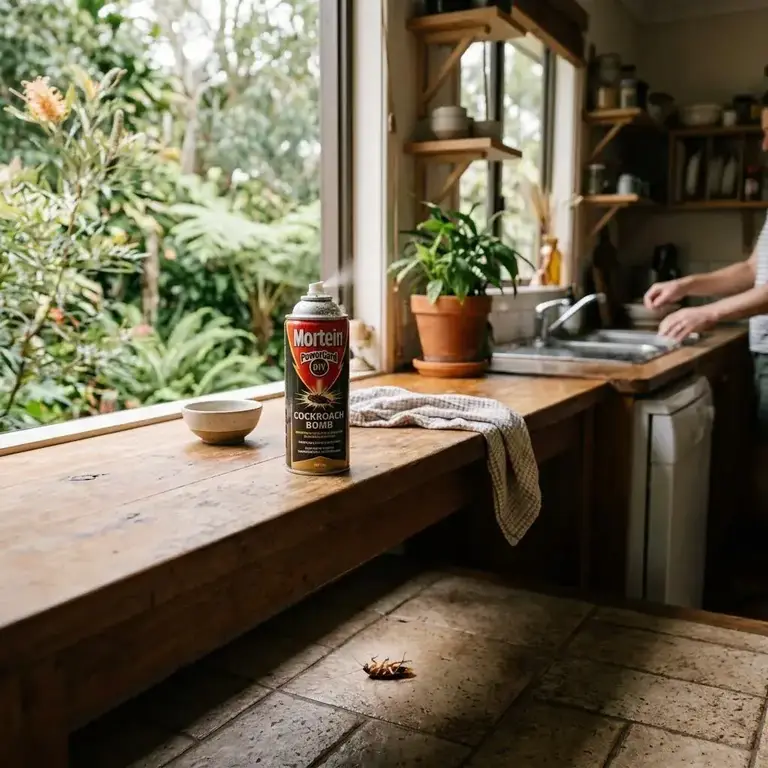
Chemical treatments should always be carried out by a licensed pest control technician using APVMA-registered products, applied according to label directions. Pouring household chemicals down drains is neither effective nor appropriate for pipework.
These figures reflect what the industry generally charges — Aussie Pest Strike typically comes in well under these market rates. For an exact quote tailored to your property, give us a call on [aps_phone] today.
Seasonal activity: when drain cockroaches are worst
Drain cockroach activity in Australia peaks through the humid summer months of December to February and spikes again after heavy autumn rain, with the quietest period through the cooler, drier winter months. Warm nights push roaches out of the sewer network to forage, while storms flood stormwater lines and drive them upward into homes.
Jan
Feb
Mar
Apr
May
Jun
Jul
Aug
Sep
Oct
Nov
Dec
Typical drain cockroach activity pattern across Australia: peak activity in the humid December–February summer, a secondary bump after autumn rains flood stormwater lines, and a low point through the cooler, drier winter months.
Use the winter lull to get ahead: fit drain screens, reseal penetrations and book an inspection before summer arrives and roach pressure ramps up again.
A step-by-step plan to seal your drains
The most effective way to stop cockroaches entering through drains is a five-step process: restore water seals, fit screens, remove the food source, seal gaps, and treat the drain line itself. Done together, these steps turn your drainage from a superhighway into a dead end.
Step 1: Restore water seals
Every floor waste and unused drain has a U-bend designed to hold water and block insects. In dry Australian conditions, or in a laundry used rarely, that water evaporates. Pour half a litre of water into unused drains weekly to keep the seal intact.
Step 2: Fit drain covers and screens
Fit fine stainless-steel drain covers or one-way valves over every floor waste to stop cockroaches entering through pipes. Choose screens with apertures under 1.5 mm so both nymphs and adults are blocked, secure each grate firmly against the rim, and check seals monthly for corrosion, gaps, or trapped debris.
Step 3: Clean out the food source
Remove every food source cockroaches can reach: flush drains with hot water and an enzyme-based cleaner fortnightly to break down the grease and biofilm they feed on. Wipe benchtops nightly, sweep up crumbs, and store pantry items in sealed containers. Empty bins regularly and avoid caustic products that damage pipes.
Step 4: Seal the gaps
- Caulk around pipe penetrations under sinks and behind the dishwasher.
- Repair cracked or loose drain collars.
- Replace perished rubber seals on sink overflows.
Step 5: Treat the drain itself
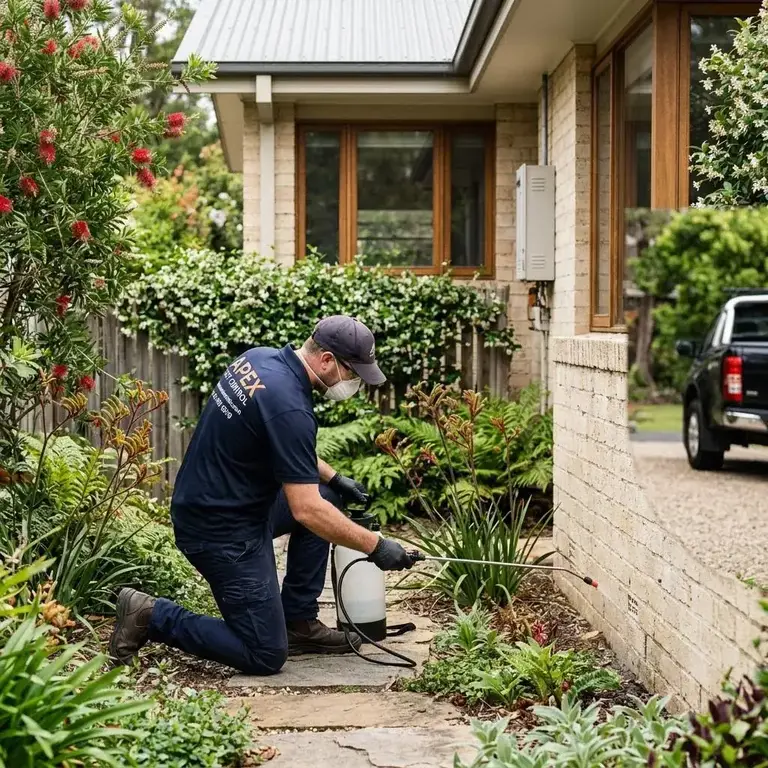
A licensed technician can apply an insect growth regulator or a targeted residual product into and around drain lines to knock down roaches using them as a runway. This treats the pathway rather than just the symptoms in your kitchen, and is far more effective than pouring household chemicals down the plughole. Our Cockroach Control & Treatment service includes drain assessment as standard.
When drains meet the kitchen
Once roaches surface from a drain, they head straight for food and shelter, so drain control works best alongside good kitchen hygiene. The habits in our kitchen cockroach prevention guide stop any that make it through from establishing, while early detection lets you act before numbers explode over summer. In multi-unit buildings, coordinating treatment across neighbouring properties is often the only way to permanently break the shared-drain cycle.
Nine times out of ten, when a customer says they’re getting big roaches in a clean bathroom, the floor waste has dried out or the grate’s got gaps you could drive a truck through. Fix the water seal, screen the drain and treat the line, and the problem usually stops dead. Chemicals alone won’t help if the front door’s still open.
Start with the free fixes: refill dry floor wastes weekly, fit stainless-steel screens and flush drains with enzyme cleaner fortnightly. If roaches keep appearing after two to three weeks — or you’re in an apartment on shared drainage — book a professional inspection. Treating the drain line and coordinating with neighbours is the only reliable way to stop repeat incursions.
Frequently Asked Questions
How do cockroaches get into my home through drains?
Cockroaches enter through floor wastes, sink overflows and unsealed pipe penetrations, travelling up from the sewer and stormwater network. They can also arrive via cracked pipes under sinks and gaps around dishwasher or washing-machine waste hoses. Drains offer constant humidity, stable temperatures and food residue such as grease, hair and biofilm, making them an ideal protected tunnel system for roaches in every Australian climate zone.
Which cockroach species is most commonly found in Australian drains?
The American cockroach (Periplaneta americana) is Australia's classic drain species. It is a large reddish-brown roach growing to 35–40 mm that can flatten its body to squeeze through a gap as narrow as 3 mm and hold its breath underwater for up to 40 minutes. Oriental cockroaches are another drain-dwelling species sometimes seen, particularly in apartments and terraces with shared drainage lines.
Why is a dry floor-waste trap a problem for cockroach entry?
Floor-waste traps rely on a water seal to block the pipe below. When a drain goes unused, that water evaporates, leaving an open door for roaches to crawl straight up into your bathroom, laundry or kitchen. Dry or gurgling floor wastes are a key warning sign. Pouring half a litre of water into unused drains weekly restores the seal and is one of the simplest prevention steps available.
What signs suggest cockroaches are using my drains rather than living in my kitchen cupboards?
Drain roaches enter from below, so evidence clusters around plumbing: large reddish-brown roaches emerging from floor wastes at night, sightings after heavy rain, musty oily odours near plumbing, droppings or smear marks around drain grates, egg cases behind sink cabinets, and dry or gurgling wastes. If instead you see small tan roaches with two dark stripes near the fridge or cupboard hinges, you likely have a German cockroach problem needing a different approach.
Does pouring bleach or household chemicals down the drain stop cockroaches?
No. Bleach and other household chemicals poured down the plughole will not stop drain cockroaches, and they are neither effective nor appropriate for pipework. What actually works is sealing entry points, fitting screens over drains, keeping trap water seals topped up, and flushing with enzyme-based cleaners that break down the organic sludge roaches feed and breed in. Chemical treatments should be left to licensed technicians using APVMA-registered products.
When is drain cockroach activity worst in Australia?
Activity peaks through the humid summer months of December to February, when warm nights push roaches out of the sewer network to forage. A secondary spike follows heavy autumn rain, as flooded stormwater lines drive roaches upward looking for dry harbourage — which is why large roaches often appear after summer storms. The quietest period is the cooler, drier winter months, making it the ideal time to fit screens, reseal penetrations and book an inspection before summer pressure returns.
What DIY steps can I take to stop cockroaches entering through drains?
Pour water into unused drains weekly to keep the trap seals full, fit fine-mesh drain screens and secure grate covers, and caulk gaps where pipes penetrate walls or cabinets under sinks. Flush drains regularly with enzyme-based cleaners to break down the biofilm cockroaches feed on, and follow with hot water. These steps prevent entry and reduce minor activity, though roaches travelling through shared drainage between units may need building-wide treatment.
When should I call a professional for drain cockroaches instead of handling it myself?
Call a professional when roaches keep surfacing despite good hygiene and your own sealing efforts, when you live in a multi-unit building on shared drainage where coordinated treatment across lots is needed, or when the infestation has spread beyond the drains into kitchens and wall voids. Professionals use insect growth regulators and targeted residuals applied by licensed technicians, treating both the pathway and the harbourage rather than just visible roaches.
How would Aussie Pest Strike assess the warning signs of drain cockroaches in my home?
A technician would look for the specific indicators described for drain infestations: night-time sightings of large reddish-brown American cockroaches near floor wastes, droppings and smear marks around grates, musty oily odours near plumbing, egg cases behind sink cabinets, and dry or gurgling traps with lost water seals. They would inspect hidden penetrations, cracked collars and subfloor gaps, check whether shared drainage is involved, and distinguish the problem from a German cockroach issue before recommending targeted treatment.
How does Aussie Pest Strike treat cockroaches coming through drains?
Treatment typically involves a full inspection of drains and entry points, followed by residual spraying, gel baiting and drain-line treatment using insect growth regulators applied by licensed technicians with APVMA-registered products. For apartments and terraces on shared drainage, coordinated treatment across multiple units helps break the cycle of roaches moving between properties. Aussie Pest Strike aims to come in well under typical market rates, so contact us for a quote tailored to your property.
Sources & further reading
Found Something
Dangerous?
Don’t touch it. Don’t spray it. Keep kids and pets clear, take a photo from a safe distance, and call us — or book a free inspection and we’ll come to you.
02 7235 0050