Cockroaches in Cars: HowThey Get In and Howto Get Them Out
Cockroaches in cars hitchhike on bags and breed on crumbs. Learn how they get in, the signs to watch for and how to get them out safely. Free quote available.
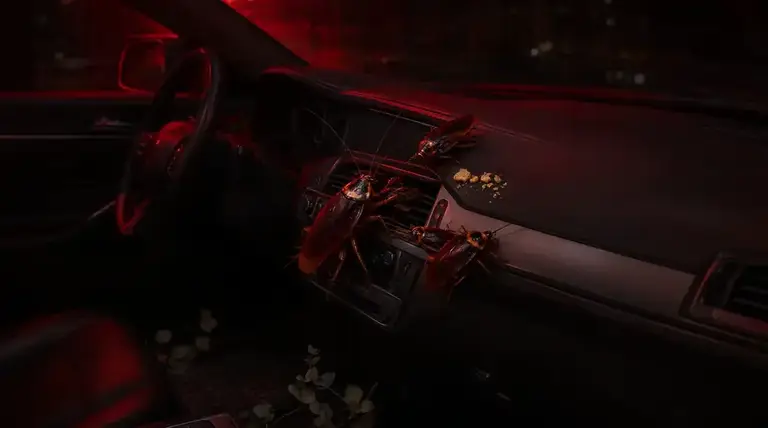
Finding a cockroach scuttling across your dashboard is more than a nasty surprise — it’s the start of a potential infestation that can spread from your car into your garage and home. Whether you’ve spotted one roach or searched “o” in a panic after seeing droppings in the glovebox, this guide covers everything Australian drivers need to know. Cockroaches in cars are a growing problem across Australia, particularly during the hot summer months when roach activity peaks from Brisbane to Perth.
Cockroaches in cars are roaches that have hitchhiked into a vehicle on bags, boxes or food packaging and established a breeding population in the warm, crumb-filled cabin. The good news: with the right approach — thorough cleaning, targeted gel bait and sensible prevention — you can clear them out and keep them out. Below, we explain how they get in, the warning signs to watch for, what treatment costs in Australia in 2025-26, and when it’s time to call a licensed pest control technician.
- Cockroaches enter cars by hitchhiking on shopping bags, takeaway containers, cardboard boxes and gym bags — a single egg case (ootheca) can hatch dozens of nymphs.
- A female German cockroach can establish a breeding population in a car within weeks, with nymphs maturing in 6-8 weeks over an Australian summer.
- Gel bait placed in crevices beats bug bombs every time — foggers don’t reach harbourages and leave residue on surfaces you touch daily.
- Treat the car, garage and house together, because roaches move freely between all three.
- Professional vehicle treatment in Australia typically costs $150-$350 AUD, often bundled with a home cockroach service.
Why cockroaches in cars are a real problem across Australia
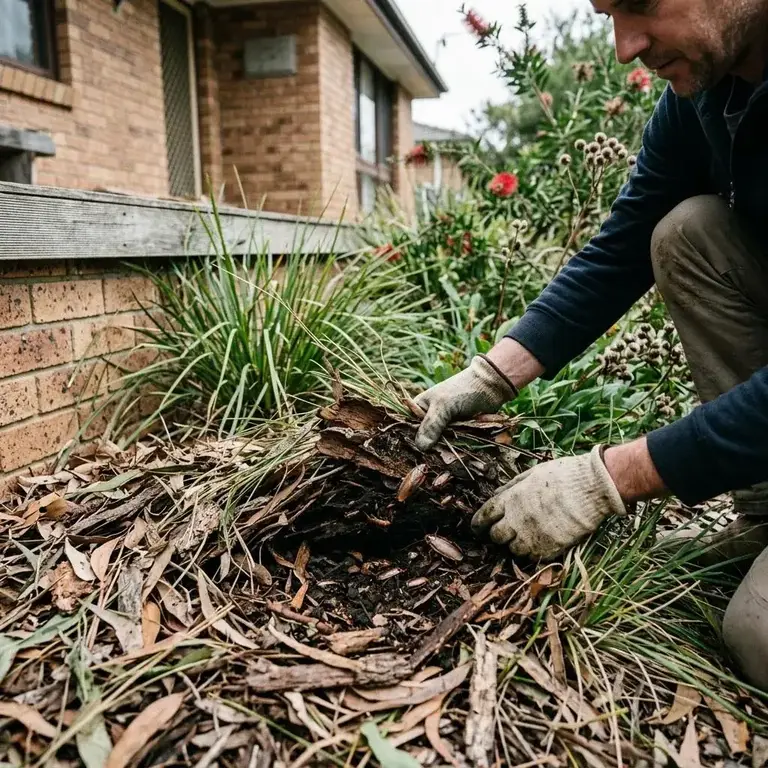
Cockroaches thrive in Australian conditions, and a parked car offers them everything they need: warmth, darkness, tight crevices and dropped food. Australia’s climate — long hot summers and mild winters across most of the populated coastline — means roaches stay active for much of the year, and vehicles parked outdoors near bins, garages or older buildings are easy targets.
The two species most likely to turn up in your car are the German cockroach (Blattella germanica) and the American cockroach (Periplaneta americana). German cockroaches are the smaller, tan-coloured species that breed indoors and in vehicles at alarming speed — our article on German cockroach infestations and why they’re so hard to kill explains their rapid reproduction cycle in detail. American cockroaches are the larger reddish-brown roaches that often wander in from gardens, drains and garages; our guide to American cockroaches in Australia covers identification and control.
Housing style matters too. Homes with garages adjoining the living areas — common in brick veneer suburbs and Queenslander-style homes with under-house parking — create a direct highway between the car, the garage and the kitchen. A roach population that starts in your Commodore can end up behind your fridge within weeks if it’s not dealt with promptly.
How cockroaches get into your car
Cockroaches almost never “invade” a car from the outside — they’re carried in on your belongings. The vast majority of vehicle infestations start with hitchhiking roaches or egg cases riding in on items you load into the cabin or boot.
They hitchhike on bags and boxes
Yes — cockroaches hitchhike on bags, boxes, takeaway containers, gym bags and second-hand furniture or appliances. A single ootheca hidden in cardboard corrugations can hatch dozens of nymphs in your warm boot. Cardboard is especially risky since roaches hide in it and eat the glue. Similarly, spiders end up in cars the same way.
They find warmth and food
Once inside, roaches find warmth and food, plus moisture, sheltering near kitchens, bathrooms, appliances, and clutter. They zero in on crumbs, grease, pet food, leaky pipes, and dark hiding spots. Clean spills promptly, seal entry gaps, store food tightly, dry sinks overnight, and remove cardboard to make your home much less inviting to infestations.
- Crumbs under seats, between cushions and in seat rails.
- Sugary drink spills in cup holders and door pockets.
- Warm engine bays and cabin vents during cool nights, which provide ideal harbourage.
Cars parked near wheelie bins, in shared apartment garages or beside infested buildings carry the highest risk, particularly through the hot December-February stretch when roach activity peaks Australia-wide.
Warning signs of cockroaches in your car
The clearest signs of cockroaches in a car are droppings, a musty odour, live sightings at night and egg cases in upholstery seams. Because roaches are nocturnal and secretive, you’ll usually spot the evidence before you spot the insect. Check these indicators carefully:
- Pepper-like droppings — small, dark specks in door pockets, the glovebox, cup holders and along seat seams.
- A musty, oily smell — a distinctive odour that’s noticeable when the car has been closed up for hours, especially on a warm day.
- Roaches darting at night — live roaches scattering when you open the door or switch on the interior light after dark.
- Brown, seed-shaped egg cases — oothecae tucked into seat seams, boot lining or under floor mats.
- Chewed paper and wrappers — damaged tissues, receipts or food packaging in door pockets and consoles.
These overlap heavily with the wider signs of a cockroach infestation you should watch for inside your home. Given a single ootheca holds up to 40 eggs and nymphs can mature in 6-8 weeks over summer, a couple of hitchhikers can become an established breeding population before you’ve noticed anything at all — early detection is everything.
DIY vs professional treatment for cockroaches in cars
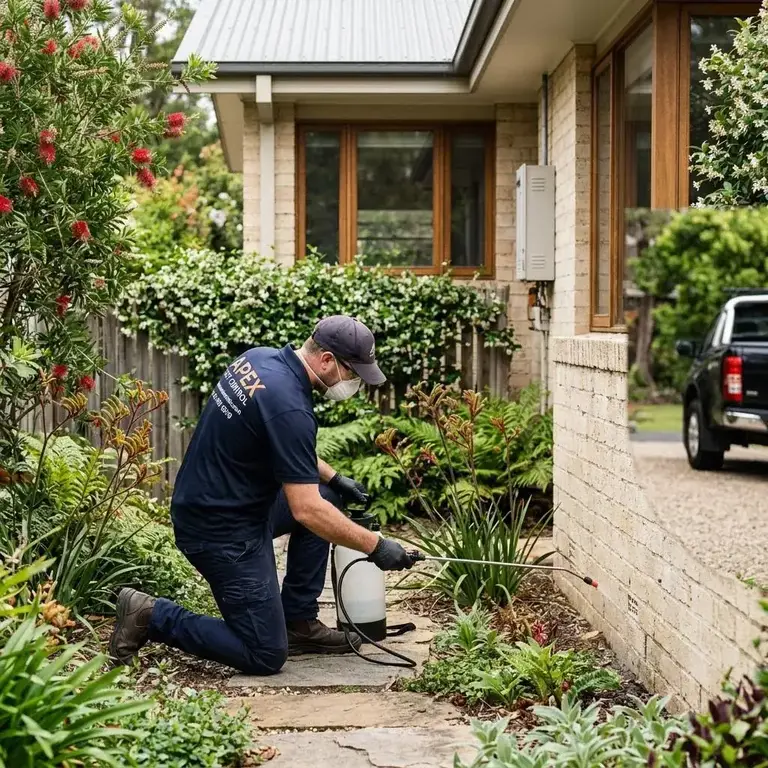
Light, early-stage infestations can often be handled yourself with a deep clean and correctly placed gel bait, but established populations — or any sign that roaches have spread to the garage or house — call for a licensed pest control technician. Chemical treatments inside an enclosed vehicle should always be applied by a licensed professional using APVMA-registered products, both for effectiveness and for the safety of everyone who rides in the car.
Step 1: Strip and clean
Remove all rubbish, food wrappers, floor mats and child seats. Vacuum every crevice — seat rails, the boot, under-seat gaps, the spare wheel well — then empty the vacuum outside straight away so you don’t carry roaches back indoors.
Step 2: Use gel bait, not a fogger
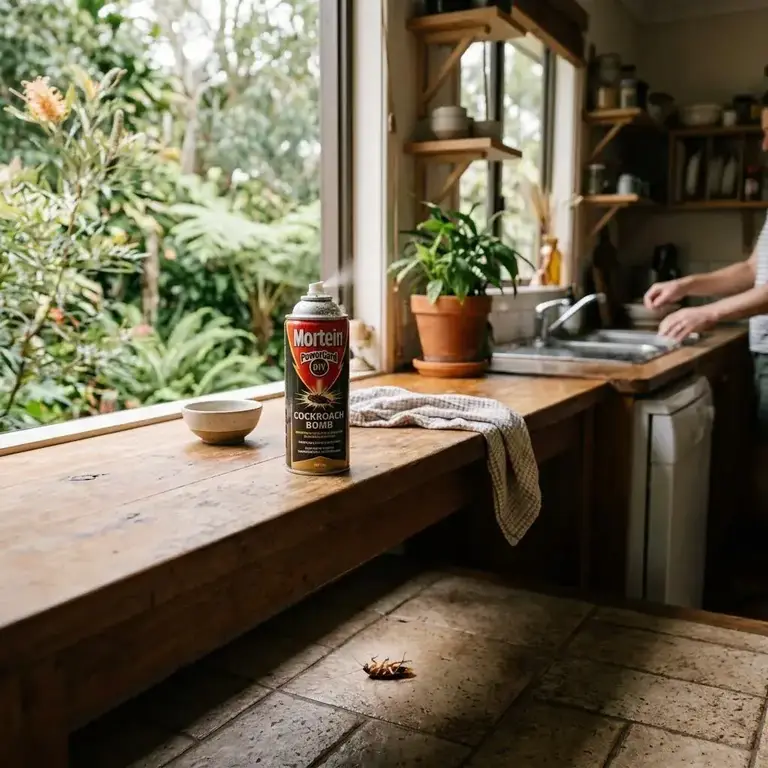
Foggers and bug bombs rarely reach the tight harbourages where roaches actually hide, and they leave chemical residue on the steering wheel, seats and dashboard — surfaces you touch daily. A pea-sized dab of cockroach gel bait placed in the boot, under seats and inside door cavities is far more effective. Our guide to what cockroach treatment involves explains gel bait placement in detail.
Step 3: Keep it clean
- No eating in the car — or vacuum crumbs the same day.
- Check shopping bags and boxes before loading them in.
- Park away from bins and infested structures where possible.
| Factor | DIY approach | Professional treatment |
|---|---|---|
| Best for | One or two sightings, no egg cases | Breeding populations, recurring activity |
| Typical cost (AUD) | $20-$60 (gel bait, vacuum bags, cleaner) | $150-$350 for vehicle treatment |
| Products | Hardware-store gel baits | APVMA-registered professional gels and IGRs |
| Reach into harbourages | Limited to accessible crevices | Full treatment of vents, door cavities, engine bay |
| Linked home/garage risk | Often missed | Assessed and treated as one job |
How much does cockroach treatment for a car cost in Australia?
Across the Australian market, professional treatment for cockroaches in a car generally costs between $150 and $350 AUD in 2025-26, and many operators discount it when bundled with a home cockroach service. Typical industry rates vary with vehicle size, infestation severity and whether the garage and home need treating at the same time — which is frequently the case.
| Service | Typical market rate (AUD) | What’s included/notes |
|---|---|---|
| Vehicle-only cockroach treatment | $150-$250 | Gel bait and targeted treatment of cabin, boot, vents and engine bay |
| Vehicle + garage treatment | $250-$400 | Treats both harbourage zones to cut off reinfestation |
| Full home cockroach control & treatment | $220-$450 | Internal and external treatment, gel baiting, follow-up advice |
| Bundled home, garage and car package | $350-$600 | Best value when roaches have spread beyond the vehicle |
These figures represent typical Australian market rates — what the industry generally charges, not a quote from any one company. What an individual job costs will depend on the inspection findings, property layout (subfloor access on a Queenslander versus a concrete slab home, for example) and how far the infestation has spread.
Here’s the good news: Aussie Pest Strike typically comes in well under these market rates while still delivering a thorough, guaranteed treatment. For an exact quote tailored to your vehicle and property, call us on [aps_phone] — we’ll assess the situation and give you a firm price before any work begins.
Seasonal cockroach activity in Australian vehicles
Cockroach activity in Australian cars peaks from December through February and stays high into autumn, with the lowest activity over the cooler winter months. That said, heated cabins and warm engine bays mean roaches can stay active inside vehicles even in July, so winter sightings shouldn’t be ignored.
Jan
Feb
Mar
Apr
May
Jun
Jul
Aug
Sep
Oct
Nov
Dec
Typical cockroach activity pattern in Australian vehicles: activity climbs from September, peaks December-February, and tapers off through winter — though warm cabins allow year-round harbourage in established infestations.
Nine times out of ten, the roaches in a car came in on a cardboard box or a takeaway bag — the car itself isn’t the source, it’s the victim. The biggest mistake we see is people setting off a bug bomb in the cabin: it barely touches the roaches hiding in the vents and door cavities, and it coats everything the family touches. A proper clean plus well-placed gel bait, with the garage checked at the same time, sorts most cases in one visit.
Strip and vacuum the car today, bin any cardboard sitting in the boot, and place gel bait in the boot, under the seats and in door cavities. If you’re seeing droppings, egg cases or more than one roach — or if there’s any chance they’ve reached the garage or house — book a licensed technician to treat the vehicle and property together. Acting within the first week or two prevents a 6-8 week breeding cycle from turning a minor hitchhiker problem into a full infestation.
Frequently Asked Questions
How do cockroaches get into cars?
Cockroaches almost never invade a car from outside — they hitchhike in on your belongings. Shopping bags, takeaway containers, cardboard boxes, gym bags and second-hand furniture or appliances are the usual carriers. A single egg case (ootheca) hidden in cardboard corrugations can hatch dozens of nymphs in a warm boot, and cardboard is especially risky because roaches hide in it and eat the glue.
What are the signs of cockroaches in a car?
The clearest signs are pepper-like droppings in door pockets, the glovebox and cup holders; a musty, oily smell noticeable after the car has been closed up for hours; live roaches scattering when you open the door or switch on the interior light at night; brown, seed-shaped egg cases tucked into seat seams or boot lining; and chewed paper or food wrappers. Because roaches are nocturnal and secretive, you'll usually spot evidence before you see an insect.
Which cockroach species are most likely to infest a car in Australia?
The two species most likely to turn up are the German cockroach (Blattella germanica) and the American cockroach (Periplaneta americana). German cockroaches are smaller, tan-coloured and breed indoors and in vehicles at alarming speed. American cockroaches are larger, reddish-brown roaches that often wander in from gardens, drains and garages rather than breeding inside the car itself.
How fast can a car cockroach problem become an infestation?
Very quickly in warm conditions. A single ootheca can hold up to 40 eggs, and German cockroach nymphs can mature in 6-8 weeks over an Australian summer. That means a couple of hitchhikers riding in on shopping bags or boxes can become an established breeding population within weeks — often before you've noticed anything beyond a stray dropping or musty smell.
Why should I use gel bait instead of a bug bomb in my car?
Foggers and bug bombs rarely reach the tight harbourages where roaches actually hide, such as seat rails, vents and door cavities. They also leave chemical residue on the steering wheel, seats and dashboard — surfaces you touch daily. A pea-sized dab of cockroach gel bait placed in the boot, under seats and inside door cavities targets roaches directly where they shelter and is far more effective.
How much does professional cockroach treatment for a car cost in Australia?
Professional cockroach treatment for a car is usually priced as a vehicle-only service or a combined vehicle and garage job, with the latter costing more. Many pest controllers offer discounts when the car treatment is bundled with a home service. The final cost depends on factors such as the size of the vehicle, how severe the infestation is, and whether the garage or home also requires treatment.
When should I call a licensed pest controller for cockroaches in my car?
Call a licensed technician if you find egg cases, notice recurring activity after cleaning and baiting, or see any sign that roaches have spread to the garage or house. Chemical treatments inside an enclosed vehicle should always be applied by a licensed professional using APVMA-registered products, both for effectiveness and for the safety of everyone who rides in the car.
How do I stop cockroaches coming back into my car?
Prevention comes down to removing what attracts them. Check shopping bags, boxes and second-hand items before loading them into the cabin or boot. Park away from wheelie bins, shared apartment garages and infested buildings where possible. Treat the car, garage and house together, because roaches move freely between all three.
How can Aussie Pest Strike help me plan next steps for cockroaches in my car?
Aussie Pest Strike can inspect your vehicle alongside your garage and home to work out how far the infestation has spread, since roaches move freely between all three spaces. Based on what they find, they can recommend whether a deep clean and gel bait will be enough or whether a full professional treatment of the cabin, boot, vents and engine bay is needed, along with advice on preventing reinfestation.
Should I treat my garage and home at the same time as my car for cockroaches?
Yes — treating all three zones together is the practical next step when roaches have moved beyond the vehicle, and Aussie Pest Strike assesses the car, garage and house as one connected job. Homes with garages adjoining living areas create a direct pathway from the car to the kitchen, so treating only the vehicle often leaves harbourages behind that allow reinfestation within weeks.
Sources & further reading
Found Something
Dangerous?
Don’t touch it. Don’t spray it. Keep kids and pets clear, take a photo from a safe distance, and call us — or book a free inspection and we’ll come to you.
02 7235 0050