Mice in Walls: Signs,Risks and Howto Get Them Out
If you can hear scratching or scurrying behind your plasterboard, you probably have mice in walls. House mice squeeze through gaps the width of a pencil,...
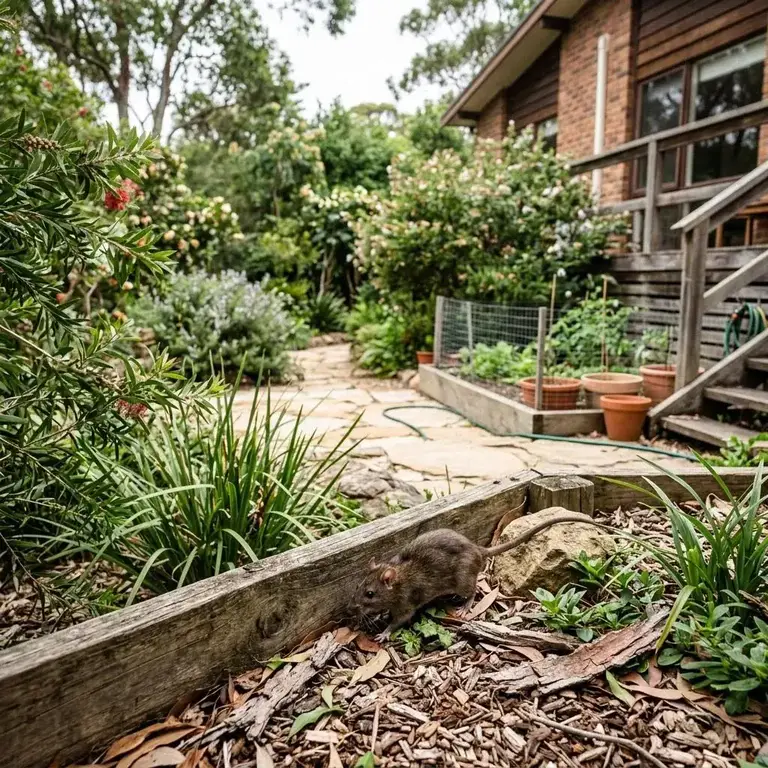
Hearing light scratching or scurrying behind your plasterboard? Chances are you have mice in walls. The house mouse squeezes through gaps the width of a pencil, nests inside wall cavities and breeds fast — and across Australia, from brick veneer suburbs to raised Queenslanders, wall cavities are one of the most common hiding spots our technicians find. If you’re asking yourself, “how do i get them out?”, this guide walks you through the signs, the risks and the safest removal options.
Mice in walls are rodents (typically the house mouse, Mus musculus) that have entered a home through gaps as small as six millimetres and established nests inside wall cavities, where they contaminate surfaces, gnaw wiring and multiply quickly if left untreated. Below, we cover how to confirm the problem, what it can cost, and when DIY stops being enough.
- Night-time scratching, small dark droppings (3–8 mm) and greasy rub marks are the classic signs of mice in wall cavities.
- A female house mouse can produce five to ten litters a year — a minor issue in autumn can become an infestation by winter.
- Mice gnaw electrical cabling inside walls, creating a genuine fire risk that costs far more to repair than early treatment.
- Avoid loose rodenticide in wall cavities; snap traps plus proper exclusion are the safest first line of attack.
- Professional mouse treatment in Australia typically costs $150–$350, with proofing quoted separately.
Why Mice in Walls Are Such a Common Problem in Australian Homes
Australian housing stock is unusually inviting to mice: wall cavities connect directly to roof voids and subfloors, giving rodents hidden highways through the entire home. Cooling autumn weather then drives them indoors in large numbers.
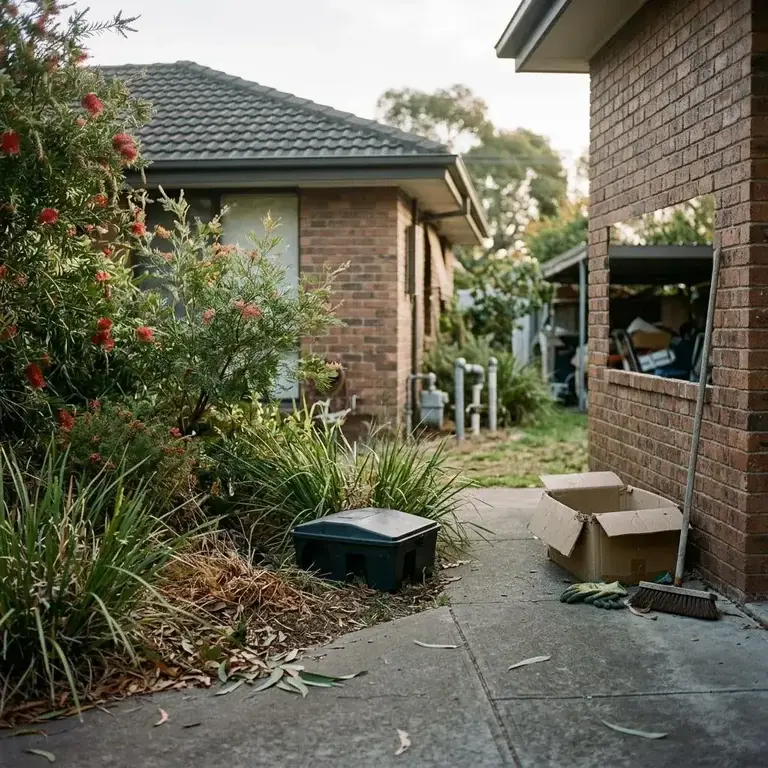
Construction style matters. Brick veneer homes have weep holes mice walk straight through; older weatherboard and Queenslander-style houses on stumps offer open subfloors and unscreened vents; even modern slab homes have gaps around plumbing penetrations and air-conditioning pipework. The house mouse climbs brick, render and timber with ease, so no wall is truly out of reach.
Activity peaks from March to June in most states. Homes near paddocks, grain storage or new estates in New South Wales, Victoria, South Australia and Western Australia are especially prone during mouse plague years, when health authorities also warn about leptospirosis. If you suspect broader rodent activity, our full checklist of signs of rats or mice in your home will help you tell the two apart — and our guide to roof rats in Australia covers the other common cavity-dweller.
Warning Signs: How Do I Know There Are Mice in My Walls?
The short answer: you hear them before you see them. Mice are nocturnal, so sound — light scratching, scurrying or gnawing between dusk and dawn — is almost always the first clue, and because cavities connect, the noise can seem to move around the house.
- Scratching, squeaking or scurrying at night — most noticeable in walls and ceilings during the cooler months, when mice move indoors.
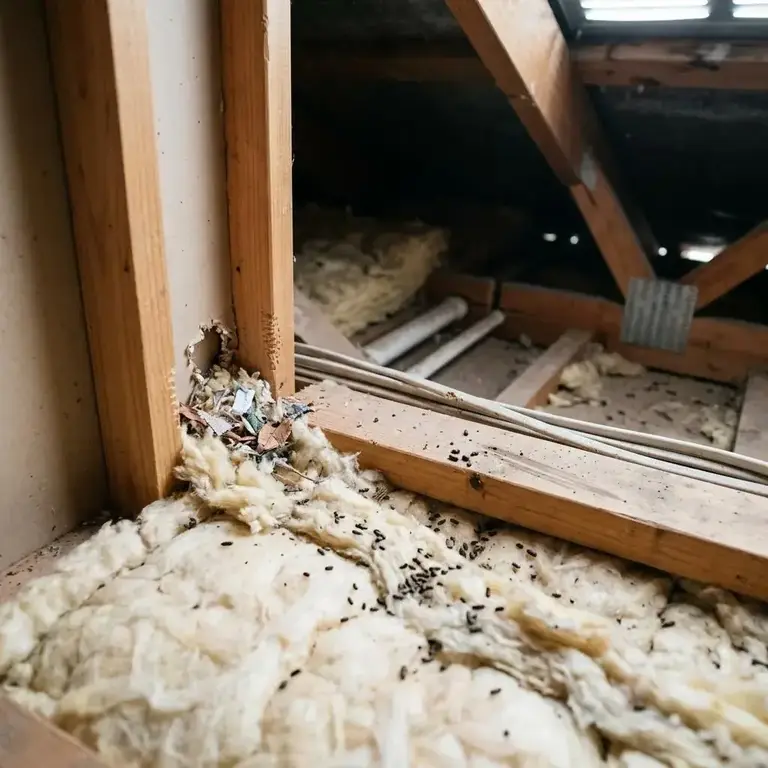
- Small dark droppings (3–8 mm) — found along skirtings, in pantries, under sinks or inside cupboards near wall junctions.
- Greasy rub marks — dark smears along walls and skirtings where mice run the same route repeatedly.
- A stale, ammonia-like smell — particularly in enclosed spaces such as built-in wardrobes or under-stair cupboards.
- Unusual pet behaviour — dogs or cats staring at, sniffing or pawing one particular wall or corner.
- Nesting debris — shredded paper, fabric or insulation, plus gnaw marks on pantry packaging.
One or two signs can be ambiguous; three or more together almost always confirm an active infestation rather than a passing visitor.
The Real Risks of Leaving Mice in Your Walls
Mice in walls are a health hazard and a fire hazard, not just a nuisance. Left untreated, a small autumn problem compounds into a full infestation within months.
Health risks. Mice spread bacteria such as Salmonella and Leptospira through droppings and urine, and their dander can trigger asthma and allergies, especially in children. Always wear gloves and ventilate the area when cleaning up droppings.
Property and fire damage. Mice gnaw constantly to keep their ever-growing incisors short. Inside wall cavities they chew electrical cabling — a recognised cause of house fires in Australia — as well as plastic pipes, plasterboard and insulation. Repairing wiring inside a wall cavity costs far more than dealing with the mice early. Rodents also ruin insulation batts, which then need replacing on top of everything else.
DIY vs Professional Pest Control: Which Approach Works?
Snap traps and basic proofing can clear a small, early-stage mouse problem, but established infestations inside wall cavities almost always need a licensed pest control technician with tamper-resistant bait stations and proper exclusion work. Here’s how the two approaches compare.
| Factor | DIY | Professional |
|---|---|---|
| Best for | One or two mice, caught early | Recurring noise, multiple rooms, established nests |
| Methods | Snap traps, steel wool, food storage | Tamper-resistant bait stations, tracking, full proofing |
| Upfront cost | $20–$80 in materials | $150–$350 typical treatment |
| Risk | Dead mice in walls if poison is misused; entry points missed | Low — licensed technicians use APVMA-registered products to label directions |
| Long-term result | Often temporary | Removal plus exclusion stops re-entry |
If you go DIY, bait snap traps with peanut butter or chocolate and place them along skirting boards near suspected entry points, checking daily. Never toss loose rodenticide into wall cavities — poisoned mice frequently die inside the wall and smell for weeks, and second-generation anticoagulant baits are tightly regulated in Australia because they kill owls, tawny frogmouths and other native predators. If noises persist after a fortnight of trapping, it’s time to call in professional rodent control and removal. For larger rodents, see how professionals actually eliminate rats — many of the same principles apply.
How Much Does Mouse Removal Cost in Australia?
Across the Australian pest control industry, a typical residential mouse treatment generally runs between $150 and $350 in 2025–26, with exclusion and proofing work usually quoted separately based on the number of entry points. Market rates vary with property size, access and how severe the infestation is.
| Service | Typical market rate (AUD) | What’s included / notes |
|---|---|---|
| Inspection and quote | Free–$99 | Identifies entry points, nesting areas and species |
| Standard mouse treatment | $150–$350 | Tamper-resistant bait stations, trapping, one follow-up visit |
| Heavy infestation treatment | $350–$600 | Multiple visits, roof void and subfloor treatment |
| Rodent proofing / exclusion | $250–$900+ | Mesh over weep holes and vents, door seals, pipe penetration sealing |
| Insulation removal/replacement | Quoted on inspection | Only where nesting has contaminated batts |
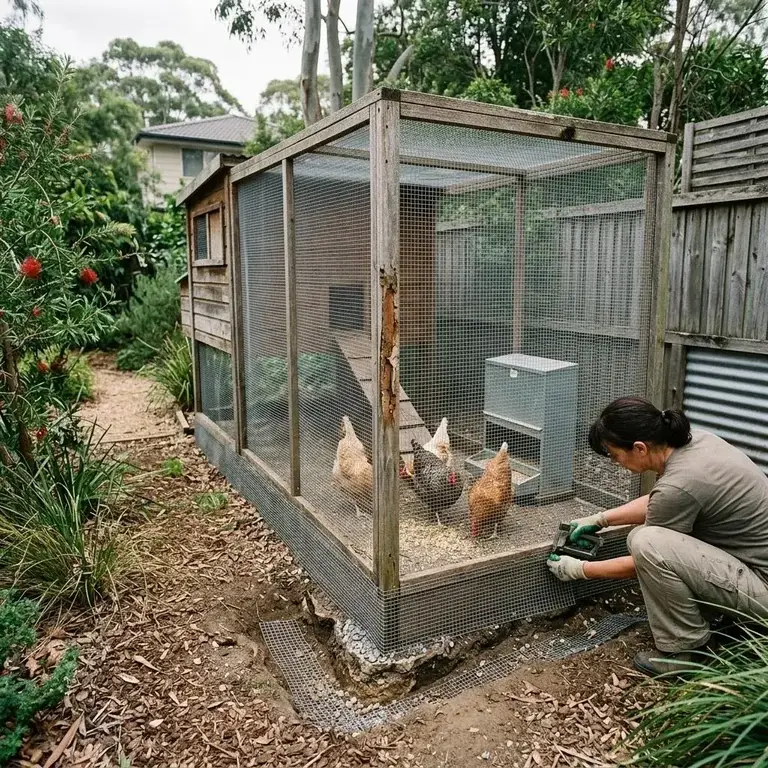
Proofing is where the real value lies — removal without exclusion just resets the clock. Our rodent proofing and exclusion service seals the six-millimetre gaps most homeowners never find.
The figures above reflect typical Australian market rates — Aussie Pest Strike typically comes in well under them. For an exact quote tailored to your property, call us on [aps_phone].
When Are Mice Most Active in Australia?
Mouse activity indoors peaks from March to June, when cooling weather drives rodents inside, and stays elevated through winter as they nest in warm wall cavities. Activity dips over summer, though plague years in grain-growing regions can push numbers up at any time.
Jan
Feb
Mar
Apr
May
Jun
Jul
Aug
Sep
Oct
Nov
Dec
Indoor mouse activity climbs sharply from March as temperatures fall, peaks in late autumn and early winter, then eases as conditions warm in spring. Treating in early autumn — before breeding kicks off — delivers the best results.
Nine times out of ten, the noise in the wall started at a gap the owner walked past every day — a weep hole, a worn garage door seal, a pipe penetration. Trap the mice you have, sure, but if you don’t close the door behind them, you’ll be doing it all again next autumn.
Set snap traps along skirtings near the noise for up to two weeks, store pantry and pet food in sealed hard containers, and note every gap you can find. If scratching continues, droppings keep appearing, or you suspect chewed wiring, book a licensed technician for treatment plus full exclusion — it’s the only approach that actually lasts. Have any suspect wiring checked by a licensed electrician.
Frequently Asked Questions
How do I know if the scratching in my walls is mice?
Mice are nocturnal, so light scratching, scurrying or gnawing between dusk and dawn is usually the first clue. Look for supporting signs: small dark droppings 3–8 mm long along skirtings, greasy rub marks on walls, a stale ammonia-like smell in enclosed spaces, shredded nesting debris, and pets staring at or pawing one particular wall. One sign alone can be ambiguous, but three or more together almost always confirm an active infestation.
How do mice get inside wall cavities?
A house mouse can squeeze through gaps as small as six millimetres — about the width of a pencil. In Australian homes, common entry points include weep holes in brick veneer walls, unscreened vents and open subfloors under weatherboard and Queenslander-style houses, and gaps around plumbing penetrations and air-conditioning pipework in slab homes. Because wall cavities connect to roof voids and subfloors, mice can then travel throughout the entire house unseen.
What risks do mice in walls pose to my home?
The biggest danger is fire. Mice gnaw constantly to keep their incisors short, and inside wall cavities they chew electrical cabling — a recognised cause of house fires in Australia. They also damage plastic pipes, plasterboard and insulation batts, which may need replacing. Repairing wiring inside a wall cavity costs far more than dealing with the mice early, which is why prompt treatment matters.
Can mice in walls make my family sick?
Yes. Mice spread bacteria such as Salmonella and Leptospira through their droppings and urine, contaminating surfaces near wall junctions, pantries and cupboards. Their dander can also trigger asthma and allergies, particularly in children. If you clean up droppings yourself, always wear gloves and ventilate the area first. During mouse plague years, health authorities have specifically warned about leptospirosis in affected regions.
When are mice most active in Australian homes?
Indoor mouse activity peaks from March to June, when cooling autumn weather drives rodents indoors to nest in warm wall cavities, and stays elevated through winter. Activity dips over summer, though plague years in grain-growing regions of New South Wales, Victoria, South Australia and Western Australia can push numbers up at any time. Treating in early autumn, before breeding ramps up, delivers the best results.
Can I get rid of mice in walls myself?
For one or two mice caught early, yes. Bait snap traps with peanut butter or chocolate, place them along skirting boards near suspected entry points, and check them daily for up to two weeks. Store pantry and pet food in sealed hard containers, and note every gap you find. However, established infestations with recurring noise across multiple rooms almost always need a licensed technician with bait stations and proper exclusion work.
Why shouldn't I put poison into wall cavities?
Loose rodenticide in wall cavities is a bad idea because poisoned mice frequently die inside the wall, causing a smell that lingers for weeks. Second-generation anticoagulant baits are also tightly regulated in Australia because they kill owls, tawny frogmouths and other native predators that eat poisoned rodents. Snap traps combined with proper exclusion work are the safer first line of attack for mice inside walls.
How fast can a small mouse problem become an infestation?
Very quickly. A female house mouse can produce five to ten litters a year, so a minor issue noticed in autumn can become a full infestation by winter if left untreated. Because wall cavities give mice shelter, warmth and hidden travel routes through the whole house, breeding often goes unnoticed until scratching, droppings and rub marks appear in multiple rooms. Early treatment before breeding kicks off is far easier than clearing an established nest.
What happens during an Aussie Pest Strike inspection for mice in walls?
An inspection identifies the entry points, nesting areas and rodent species involved — confirming whether you are dealing with house mice or another cavity-dweller such as roof rats. The technician checks weep holes, vents, subfloor access points and pipe penetrations, and assesses how severe the infestation is before recommending treatment plus exclusion work. Inspections may be free or attract a small fee depending on the property, and you receive a quote tailored to your situation.
Should I book Aussie Pest Strike for proofing after trapping the mice?
Yes — proofing is where the real value lies, because removal without exclusion just resets the clock. Aussie Pest Strike's rodent proofing and exclusion service seals the six-millimetre gaps most homeowners never find, using mesh over weep holes and vents, door seals and pipe penetration sealing. If your snap traps have quietened things down but you want to stop re-entry next autumn, booking an inspection to identify and seal entry points is the practical next step.
Sources & further reading
Found Something
Dangerous?
Don’t touch it. Don’t spray it. Keep kids and pets clear, take a photo from a safe distance, and call us — or book a free inspection and we’ll come to you.
02 7235 0050