Blocked Gutters andMosquitoes: TheHidden Breeding Ground
Blocked gutters and — blocked gutters are one of the most productive mosquito breeding grounds on any Australian property, quietly holding stagnant water...
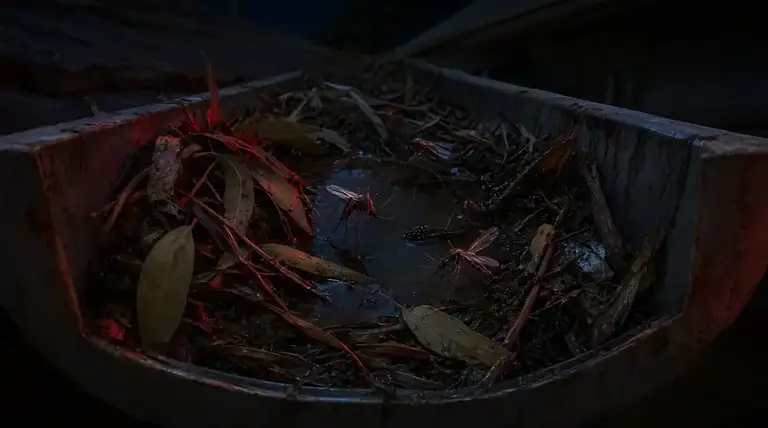
Blocked gutters and gutter mosquitoes go hand in hand on Australian properties, and the letter u barely scratches the surface of how underestimated this problem is — a clogged gutter run is one of the most productive mosquito breeding grounds on any home, quietly holding stagnant water metres above your head. Leaves and silt create shallow, nutrient-rich pools that container-breeding mosquitoes colonise within days, and because the water is out of sight, it is rarely emptied.
In simple terms: a blocked gutter is a hidden, elevated mosquito nursery — any section of guttering that cannot drain becomes standing water, and standing water in warm Australian weather becomes biting adult mosquitoes in as little as a week. Clearing your gutters is one of the simplest, highest-value steps in any mosquito control plan, and this guide explains why it matters, how to spot the problem, what it costs, and when to call in a licensed pest control technician.
- Blocked gutters hold stagnant water for weeks and are one of the most overlooked mosquito breeding sites on Australian homes.
- Species such as Aedes notoscriptus and Culex quinquefasciatus can complete their lifecycle in about a week in warm weather.
- Clean gutters at least twice a year — more often under gum trees — and flush downpipes with every clean.
- Gutter guards help but are not set-and-forget; fine silt still traps water and needs an annual check.
- Professional gutter cleaning typically costs $150–$450, and pairing it with professional mosquito treatment gives the best results.
Why blocked gutters and gutter mosquitoes are a major problem across Australia
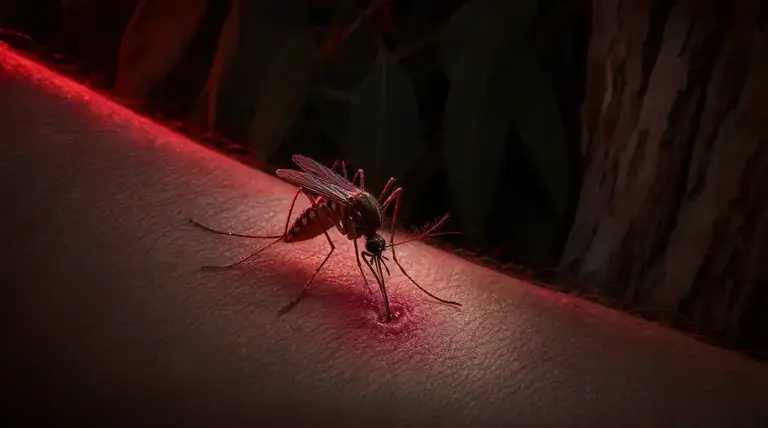
Blocked gutters breed mosquitoes so effectively because they combine stagnant water, warm temperatures and shelter in a spot nobody checks. When leaf litter dams a gutter, water pools and sits for weeks in warm weather — exactly the stagnant, nutrient-rich habitat that container-breeding species prefer.
Two of the most common culprits in Australian backyards are Aedes notoscriptus, the backyard container breeder found across most of the country, and Culex quinquefasciatus, which thrives in polluted, nutrient-rich water. In summer, larvae can develop into biting adults in as little as a week, and one clogged gutter run can produce thousands of mosquitoes over a season.
Australian housing makes this worse. Single-storey brick veneer homes on slabs often have long, low-pitched gutter runs that sag over time, while elevated Queenslanders and older homes with subfloors frequently have ageing gutters hidden behind established trees. Homes ringed by native gums are the highest priority: eucalypts shed leaves, bark and hard nuts throughout the year rather than in a single autumn drop, so gutters refill with debris almost continuously.
The health stakes are real. Mosquitoes in Australia are not just a nuisance — they transmit diseases such as Ross River virus, which causes debilitating joint pain and fatigue. Our guide on Ross River Virus: What Australian Families Should Know covers the symptoms and prevention steps in detail. Cutting breeding sites at the source, starting with the roofline, is the single most effective defence you have.
Warning signs your gutters are breeding mosquitoes
You can usually tell your gutters are the problem from ground level, without climbing a ladder. Look for these tell-tale signs after rain or at dusk.
- Water stains or overflow marks down exterior walls after rain, showing the gutter is spilling instead of draining.
- Plants or moss growing out of the gutter line, a clear sign of long-term moisture and built-up silt.
- Sagging gutter sections holding visible water, even days after the last rainfall.
- Mosquito activity concentrated near the roofline at dusk, particularly along one side of the house.
- Blocked downpipes that gurgle or drain slowly after rain, indicating a dam of compacted leaf litter inside.
- Birds or possums investigating the gutter edge, often attracted to the water and insects living there.
Because the water sits above head height and out of sight, most homeowners never think to check it. A single clogged run along one side of the house can quietly out-produce every other breeding source in the yard combined — which is why people sometimes swat mosquitoes all summer despite emptying every pot plant and bird bath they own.
DIY gutter clearing vs professional pest control
Most homeowners can handle basic gutter maintenance themselves with a ladder, gloves and a hose, but safety, roof height and stubborn infestations often make professional help the smarter option. Here is how the two approaches compare.
| Factor | DIY approach | Professional service |
|---|---|---|
| Safety | Ladder risk, especially on two-storey or steep roofs | Trained, insured technicians with harnesses and equipment |
| Thoroughness | Easy to miss downpipe blockages and sagging sections | Full clear, flush and inspection of gutter fall and drainage |
| Mosquito treatment | Removing water only — no residual control of adult mosquitoes | Licensed technicians can apply APVMA-approved treatments to resting and breeding areas |
| Cost | Time plus basic equipment | Typically $150–$450 for cleaning; treatment quoted separately |
| Best for | Single-storey homes, light debris, confident DIYers | Two-storey homes, heavy tree cover, persistent mosquito problems |
If you do tackle it yourself, aim to clean gutters at least twice a year and more often under overhanging gums. Fit a coarse leaf guard over downpipe openings, flush downpipes with every clean, and after any big summer storm do a quick visual check from the ground — a single blockage only needs to hold water for about a week for gutter mosquitoes to complete their lifecycle. For wider protection, combine site removal with the steps in our guide to Mosquito Control for Your Backyard: What Actually Works.
What does gutter cleaning and mosquito treatment cost in Australia?
Looking at typical Australian market rates for 2025-26, the industry generally charges roughly $150–$450 for professional gutter cleaning depending on house size, height and access, while a professional mosquito yard treatment typically runs $180–$350 per visit across the market. Industry pricing varies with roofline length, storeys, tree cover and region, so treat these figures as typical Australian market ranges — not fixed quotes from any one provider.
| Service | Typical market rate (AUD) | What’s included/notes |
|---|---|---|
| Gutter clean, single-storey home | $150–$250 (typical market rate) | Debris removal, downpipe flush, basic visual inspection |
| Gutter clean, two-storey or difficult access | $250–$450 (typical market rate) | Height equipment, safety gear, full clear and flush |
| Gutter guard supply and installation | $600–$2,500 (typical market rate) | Varies by roofline length and guard type; still needs annual inspection |
| Professional mosquito barrier treatment | $180–$350 per visit (typical market rate) | Applied by licensed technicians using APVMA-approved products to resting and breeding areas |
| Comprehensive mosquito inspection | Often free with treatment quote (typical market practice) | Identifies all breeding sources, including hidden sites like gutters and subfloor pooling |
Bear in mind that no chemical treatment is a set-and-forget fix, and any residual product should only be applied by a licensed pest control technician in line with APVMA label directions. Source reduction — actually removing the standing water — always comes first.
One final point worth knowing: the figures above reflect what the Australian industry generally charges, but Aussie Pest Strike typically comes in well under these market rates for the same licensed, professional-standard work. For an exact quote tailored to your property, give the team a call on [aps_phone].
Seasonal mosquito activity in Australia
Mosquito pressure from blocked gutters peaks in the warm, wet months and drops sharply through winter, though in northern Australia activity can persist year-round. The chart below shows typical relative activity across the calendar year for southern and temperate regions.
Jan
Feb
Mar
Apr
May
Jun
Jul
Aug
Sep
Oct
Nov
Dec
Typical mosquito activity peaks from December to March when heat speeds up larval development and summer storms fill blocked gutters. Activity eases through the cooler months in southern states, but in Queensland and the Top End it can stay high all year — clean your gutters in late spring before the peak, and again in autumn.
Gutters are one piece of the puzzle
Even spotless gutters will not solve a mosquito problem if other water sits nearby. Source reduction only works when you find and empty every container holding water on the property.
Cross-check your yard using our Standing Water: The Complete Mosquito Breeding Checklist, which covers everything from pot plant saucers and bird baths to tarps, tyre swings and subfloor pooling. Keeping gutters draining freely also protects your home in other ways — dry fascia timber is less prone to decay and less attractive to termites, and well-drained eaves reduce the damp conditions that draw other pests.
Where mosquitoes are already well established, combining gutter maintenance with a professional treatment delivers the best outcome. Our Mosquito & Midge Control service targets adult resting sites and breeding areas together, which is far more effective than tackling either one alone.
Nine times out of ten, when a customer swears they’ve emptied everything in the yard, we find the source up on the roofline. A blocked gutter tucked behind a gum tree can pump out mosquitoes all summer without anyone noticing. Clean the gutters first — it’s the cheapest fix in mosquito control, and it makes every other treatment work better.
Book a gutter clean in late spring before peak mosquito season, flush downpipes with every clean, and fit a coarse guard over downpipe openings if you live under gums. If mosquitoes persist after your gutters are clean, arrange a professional inspection to find hidden breeding sources and discuss a licensed treatment plan.
Frequently Asked Questions
Why do blocked gutters breed mosquitoes so effectively?
A blocked gutter combines stagnant water, warm temperatures and shelter in a spot nobody checks. When leaf litter dams the run, water pools and sits for weeks, creating the shallow, nutrient-rich habitat that container-breeding species prefer. Because it sits above head height and out of sight, the water is rarely emptied, and a single clogged run can quietly out-produce every other breeding source in the yard combined.
How quickly can mosquitoes develop in a blocked gutter?
In warm Australian weather, species such as Aedes notoscriptus and Culex quinquefasciatus can complete their lifecycle from larva to biting adult in as little as a week. That means any section of guttering that holds water after rain only needs to stay blocked for about seven days before it starts producing adult mosquitoes. Over a full season, one clogged gutter run can produce thousands of mosquitoes.
Which mosquito species breed in blocked gutters in Australia?
Two of the most common culprits are Aedes notoscriptus, the backyard container breeder found across most of the country, and Culex quinquefasciatus, which thrives in polluted, nutrient-rich water. Both favour exactly the conditions a clogged gutter provides: shallow, stagnant water enriched with leaf litter and silt. Larvae of these species can develop into biting adults within about a week during warm weather.
What warning signs suggest my gutters are breeding mosquitoes?
Look for water stains or overflow marks down exterior walls after rain, plants or moss growing out of the gutter line, sagging sections holding visible water days after rainfall, and mosquito activity concentrated near the roofline at dusk. Blocked downpipes that gurgle or drain slowly, plus birds or possums investigating the gutter edge, are also tell-tale signs. Most of these can be spotted from ground level without climbing a ladder.
How often should I clean my gutters to prevent mosquitoes?
Clean gutters at least twice a year — once in late spring before the peak breeding season and again in autumn. If your home sits under overhanging gum trees, clean more often, because eucalypts shed leaves, bark and hard nuts throughout the year rather than in a single autumn drop. Flush downpipes with every clean, and do a quick visual check from the ground after big summer storms.
Do gutter guards stop mosquitoes breeding in gutters?
Gutter guards help but are not set-and-forget. Fine silt can still build up on top of or beneath guards and trap shallow pools of water, which is all container-breeding mosquitoes need. Guards should be paired with an annual inspection to check for trapped debris and standing water. Source reduction — actually removing the standing water — always comes first, with guards as a supporting measure rather than a complete fix.
Can I clear blocked gutters myself, or should I hire a professional?
Most homeowners can handle basic gutter maintenance on a single-storey home with light debris using a ladder, gloves and a hose. Professional help is often smarter for two-storey homes, steep roofs, heavy tree cover or persistent mosquito problems, because trained technicians provide a full clear, flush and inspection of gutter fall and drainage, and can apply APVMA-approved treatments to resting and breeding areas.
Why does clearing gutters matter beyond just stopping bites?
Mosquitoes in Australia transmit diseases such as Ross River virus, which causes debilitating joint pain and fatigue, so cutting breeding sites at the source is a genuine health measure. Keeping gutters draining freely also protects the home itself: dry fascia timber is less prone to decay and less attractive to termites. Clearing the roofline is one of the simplest, highest-value steps in any mosquito control plan.
Is a property-specific inspection useful if I suspect my gutters are breeding mosquitoes?
Yes. A comprehensive inspection identifies every breeding source on the property, including hidden sites like blocked gutters, sagging sections and subfloor pooling that are easy to miss from ground level. Aussie Pest Strike can assess your roofline, drainage and surrounding yard together, since spotless gutters alone will not solve a problem if other containers hold water nearby. An inspection also confirms whether residual treatment is warranted alongside source reduction.
What is a practical next step after noticing mosquito activity near my roofline?
Start by checking the visible signs from ground level — overflow marks, sagging sections holding water, plants growing from the gutter line — then arrange a professional gutter clear and flush before peak season. Aussie Pest Strike can combine cleaning with a licensed mosquito treatment of resting and breeding areas, which delivers better results than removing water alone. Pair this with emptying every other water-holding container in the yard for lasting control.
Sources & further reading
Found Something
Dangerous?
Don’t touch it. Don’t spray it. Keep kids and pets clear, take a photo from a safe distance, and call us — or book a free inspection and we’ll come to you.
02 7235 0050