Preparing Your Homefor Bed Bug Treatment:The Full Checklist
Preparing your home — Preparing home bed — bed bug treatment preparation means laundering all fabrics on high heat, decluttering rooms, moving furniture...
Proper bed bug treatment preparation is the single biggest factor you control in whether a professional treatment works first time or drags on for months. Across Australia — from Sydney apartments to Brisbane Queenslanders and Melbourne brick veneer homes — technicians report the same thing: the jobs that fail are almost always the ones where the home wasn’t prepared.
Bed bug treatment preparation means laundering all fabrics on high heat, decluttering rooms, moving furniture away from walls and vacuuming thoroughly before your technician arrives. It is not optional busywork. Insecticides and steam only kill what they can reach, and a cluttered home gives bugs hundreds of untreated hiding spots. This checklist walks you through exactly what to do, when to do it, and the mistakes that undo an otherwise professional job.
- Bed bug treatment preparation directly decides whether one treatment works or the infestation drags on for months.
- Wash all fabrics at 60 °C or higher and dry on hot for at least 30 minutes — heat above 50 °C kills all life stages.
- Pull beds and lounges 30–40 cm off walls so skirting boards and bed frames can be treated.
- Never spray supermarket products beforehand — it scatters bugs deeper into wall voids.
- Don’t re-clean treated zones for two weeks; residual product keeps killing newly hatched nymphs.
Why Bed Bug Treatment Preparation Matters in Australian Homes
Preparation matters because the common bed bug (Cimex lectularius) is only 4–5 mm long as an adult and can squeeze into a gap the width of a credit card — and Australian housing gives it plenty of those gaps. Older Queenslanders have timber VJ walls and subfloor voids, brick veneer homes have wall cavities and skirting gaps, and slab-on-ground homes concentrate harbourages along carpet edges and bed frames.
Australia’s warm climate works in the bug’s favour too. In typical Australian indoor conditions, eggs hatch in 6–10 days, so any egg left in an untreated harbourage restarts the cycle within a fortnight. Heated homes in winter and year-round warmth in Queensland and the Northern Territory mean bed bugs breed continuously — unlike in colder climates where winter slows them down. Insecticides and steam only work on surfaces they can actually reach, so clutter, packed wardrobes and undisturbed piles translate directly into surviving bugs. Understanding how bed bugs actually spread (and how they don’t) also matters during prep, because moving the wrong item to a clean room is the fastest way to seed a second infestation.
Warning Signs You Need to Start Preparing
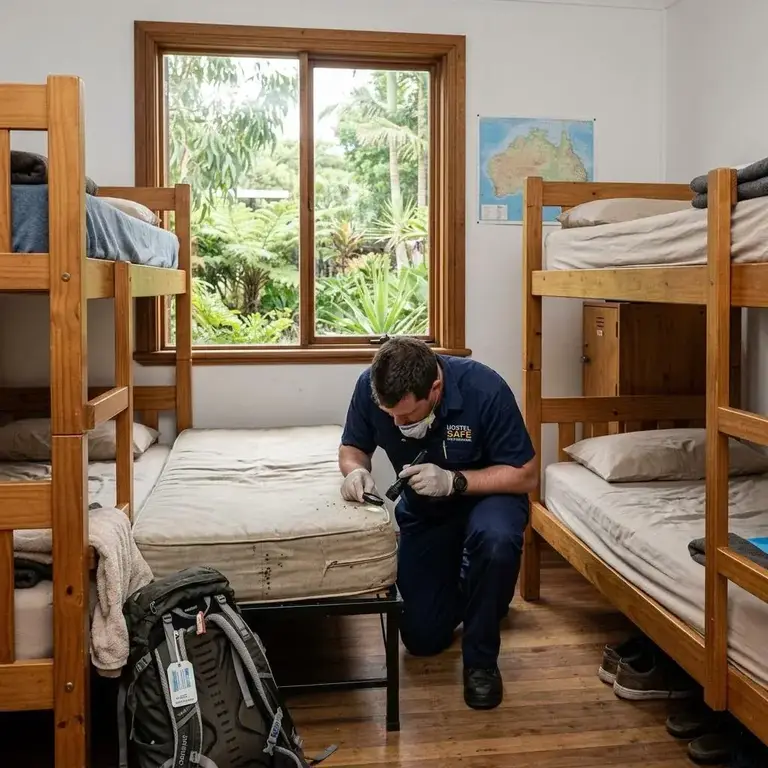
The clearest signs of bed bugs are bites in lines or clusters, dark spotting on mattress seams, and live bugs or shed skins in bed frame joints. If you spot any of the following, book an inspection and begin preparing immediately.
- Bite patterns: itchy welts in rows or clusters on skin exposed overnight — check our guide to bed bug bites: identification and your first steps to confirm.
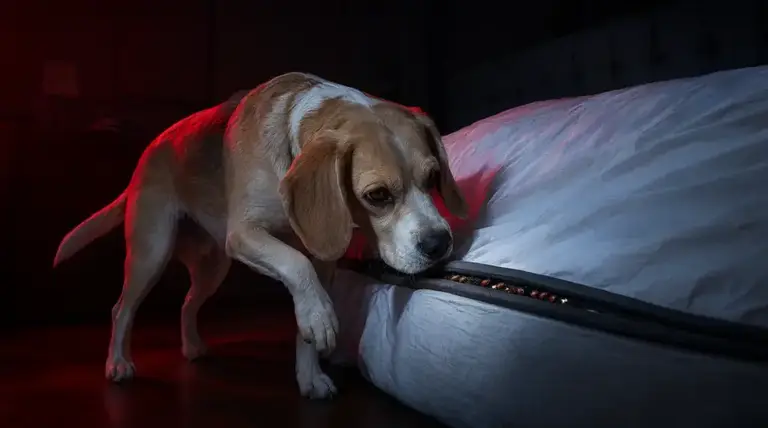
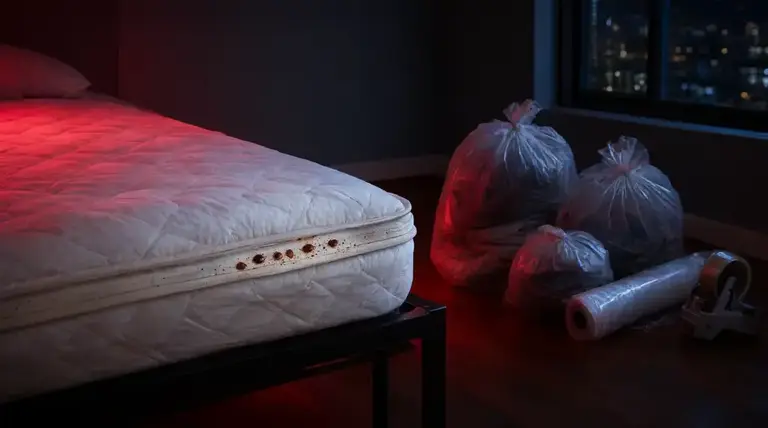
- Faecal spotting: small black or rust-coloured dots on mattress seams, bed slats, skirting boards or behind headboards.
- Shed skins and eggs: translucent cast skins and pinhead-sized white eggs in bed frame joints and furniture crevices.
- Live bugs: flat, apple-seed-sized reddish-brown insects, usually hiding within two metres of where you sleep.
- Musty odour: a sweet, musty smell in heavy infestations, often noticed in the bedroom first.
The Room-by-Room Preparation Checklist
The core of bed bug treatment preparation is stripping and heat-treating every fabric, decluttering without spreading bugs, and giving the technician clear access to every skirting board, bed frame and carpet edge. Work through it in this order.
Bedrooms and living areas
- Strip all bedding, cushion covers and curtains, and bag them at the point of removal — don’t carry loose linen through the house.
- Wash everything at 60 °C or higher, then dry on hot for at least 30 minutes; heat above 50 °C kills all stages including eggs.
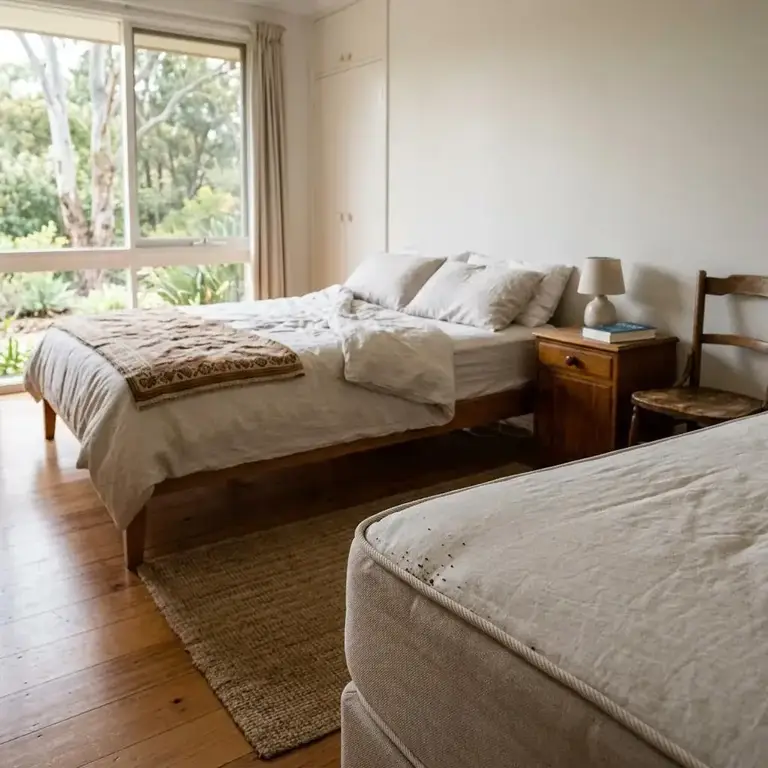
- Pull beds and lounges 30–40 cm off the walls so skirting and bed frames are fully accessible.
- Vacuum mattress seams, bed slats, carpet edges and skirting, then seal and bin the vacuum bag outside the house.
Storage and clutter
- Empty bedside tables and wardrobe floors; declutter but do not move items into another room.
- Store treated, sealed items in plastic tubs — never cardboard, which harbours bugs.
Preparation timeline
| When | Task |
|---|---|
| 3 days before | Launder and heat-dry all fabrics; store sealed |
| 1 day before | Declutter, vacuum, move furniture off walls |
| Treatment day | Remove pets; keep people out for the specified dwell time |
| After treatment | Wait the advised re-entry period; do not re-clean treated zones for 2 weeks |
DIY Preparation vs Professional Pest Control
Your preparation is always your job, but the treatment itself should be done by a licensed pest control technician. DIY sprays and foggers scatter bugs deeper into walls and rarely touch eggs, while professional treatment combines preparation guidance, targeted products and a scheduled follow-up.
| Factor | DIY approach | Professional treatment |
|---|---|---|
| Effect on bugs | Kills exposed bugs; scatters the rest deeper | Targets all life stages in harbourages |
| Eggs | Usually survive; infestation rebounds | Residual products catch newly hatched nymphs |
| Products | Supermarket aerosols and foggers | APVMA-registered professional-grade products applied by licensed technicians |
| Follow-up | None; repeated spending on sprays | Scheduled follow-up 10–14 days later and service warranty |
| Typical outcome | Infestation persists or spreads | Full elimination when preparation is thorough |
If you’re weighing up treatment methods, our comparison of bed bug treatment: heat vs chemical — which works? explains the trade-offs, and our bed bug treatment & removal page covers what a professional service includes.
How Much Does Bed Bug Treatment Cost in Australia?
Across the Australian market, professional bed bug treatment generally sits between $300 and $1,500 AUD in 2025-26, depending on the number of rooms, the treatment method and the size of the home. Industry-wide, whole-of-house heat treatment sits at the top of the range, while targeted chemical treatment of one or two bedrooms sits at the lower end. Rates vary by city and infestation severity, so treat the figures below as typical industry ranges across Australia — not as any one company’s quote.
| Service | Typical Australian market rate (AUD) | What’s included/notes |
|---|---|---|
| Inspection and quote | $0–$150 | Often free across the industry; identifies harbourages and treatment scope |
| Chemical treatment (1–2 bedrooms) | $300–$600 | Residual spray to beds, skirting, furniture; follow-up usually extra |
| Chemical treatment (whole house) | $600–$1,000 | All rooms treated; follow-up visit 10–14 days later |
| Heat treatment (whole house) | $1,000–$1,500+ | Single-visit kill of all stages; minimal chemical use |
| Mattress encasements (each) | $50–$120 | Cheaper than replacing a mattress; traps bugs inside |
A word of caution: the cheapest quote on the market isn’t always the best value. A low price without a follow-up visit or warranty often means paying twice when the infestation rebounds.
Here’s the good news: Aussie Pest Strike typically comes in well under these typical Australian market rates, without cutting corners on follow-ups or warranty. For an exact quote tailored to your home, give us a call on [aps_phone] today.
Do Bed Bugs Have a Season in Australia?
Bed bugs breed year-round in heated Australian homes, but reported activity peaks through the warmer months and the summer travel season, roughly October to March. Heat speeds up their breeding cycle, and holiday travel spreads bugs between accommodation and homes. Winter brings a modest dip in cooler southern states, but never a true off-season.
Jan
Feb
Mar
Apr
May
Jun
Jul
Aug
Sep
Oct
Nov
Dec
Indicative activity pattern: bed bug reports peak over summer and the December–January holiday travel period, with a mild dip through the southern winter. Indoor heating means infestations never fully stop.
Preparing People and Pets
Bed bug treatment preparation isn’t only about the furniture. Plan for everyone in the home to be out during the treatment and the dwell time your technician specifies — usually a few hours. Fish tanks should be covered and their air pumps switched off, and birds, which are sensitive to airborne products, moved well away. Cats and dogs must leave with you. Confirm any medical or asthma concerns with your technician beforehand so products and re-entry times can be adjusted.
Label the sealed tubs of laundered clothing so you don’t accidentally reintroduce untreated items after the job. If you sleep elsewhere in the days before treatment, don’t drag doonas and pillows to a clean bed in another room — that’s the fastest way to seed a fresh infestation across your home.
Common Bed Bug Treatment Preparation Mistakes
The worst mistakes are spraying supermarket products beforehand, moving infested items into clean rooms, throwing out the mattress unnecessarily, and over-cleaning after treatment. Each one either scatters bugs, relocates them, or strips the residual product before it finishes its job.
Do not spray supermarket products before your visit — this scatters bugs deeper into walls and makes them harder to reach. Don’t throw out your mattress unless advised; a treated encasement is usually enough and far cheaper. Avoid moving belongings from an infested bedroom into an untreated living area. And resist over-cleaning afterwards: mopping, steam-cleaning or wiping treated skirting and bed frames strips the residual product before it finishes killing newly hatched nymphs over the following fortnight. Finally, keep records. Note where you first saw bites or live bugs, photograph any spotting on mattress seams, and tell your technician — this pinpoints the harbourage and sharpens the treatment.
Nine times out of ten, when a treatment “fails”, the product did its job — the preparation didn’t. If we can reach the skirting, the bed frame and every seam, we can eliminate the infestation. Give us a well-prepared room and we’ll give you a result.
Start laundering and decluttering at least three days before your booking, and ask your pest control technician for a written preparation list tailored to your home. Follow it to the letter, keep everyone and every pet out for the full dwell time, and don’t clean treated areas for two weeks. That combination gives a professional treatment the best possible chance of full elimination in one or two visits.
Frequently Asked Questions
Why is preparation so important before a bed bug treatment?
Preparation directly decides whether a professional treatment works first time or drags on for months. Insecticides and steam only kill what they can reach, so clutter, packed wardrobes and undisturbed piles give bugs hundreds of untreated hiding spots. Technicians consistently report that failed jobs are almost always the ones where the home was not properly prepared beforehand.
How should I wash fabrics before bed bug treatment?
Strip all bedding, cushion covers and curtains, bagging them at the point of removal rather than carrying loose linen through the house. Wash everything at 60 °C or higher, then dry on hot for at least 30 minutes. Heat above 50 °C kills all life stages of bed bugs, including eggs, so high-heat laundering is essential.
How far should I move furniture away from walls before treatment?
Pull beds and lounges 30–40 cm off the walls so skirting boards and bed frames are fully accessible to your technician. Bed bugs hide in gaps as narrow as a credit card, including along skirting boards, carpet edges and bed frame joints, so clear access to these areas is critical for effective treatment.
Should I spray supermarket insecticides before professional treatment?
No. Spraying supermarket products beforehand scatters bed bugs deeper into wall voids and other harbourages, making professional treatment harder. DIY sprays and foggers rarely touch eggs either, so exposed bugs may die but the rest survive and the infestation rebounds. Leave all treatment to licensed technicians using APVMA-registered products.
What should I do with vacuumed material after cleaning?
Vacuum mattress seams, bed slats, carpet edges and skirting boards thoroughly before treatment day. Once finished, seal the vacuum bag inside a bag and bin it outside the house so any live bugs or eggs you collected cannot escape back into the home. This simple step prevents re-infestation from your own vacuum.
What should I do with my pets and household members on treatment day?
Everyone in the home should be out during the treatment and the dwell time your technician specifies, usually a few hours. Cats and dogs must leave with you, fish tanks should be covered with air pumps switched off, and birds moved well away because they are sensitive to airborne products.
Can I clean treated areas after the bed bug treatment?
Do not re-clean treated zones for two weeks after treatment. The residual product keeps killing newly hatched nymphs as they emerge from eggs, and washing or wiping those surfaces removes the product before it can finish the job. Wait until your technician advises it is safe to resume normal cleaning in those areas.
Where should I store laundered items during bed bug preparation?
Store washed, heat-dried items in sealed plastic tubs, never cardboard boxes, which can themselves harbour bugs. Label each sealed tub clearly so you do not accidentally reintroduce untreated items into clean areas after the job. Keep tubs away from infested rooms until the technician confirms treatment is complete.
When should I ask Aussie Pest Strike for an on-site assessment before treatment?
If you have noticed bites in lines or clusters, dark spotting on mattress seams, shed skins or live bugs near where you sleep, an on-site assessment helps identify every harbourage and the true scope of the problem. Aussie Pest Strike can inspect your home, confirm whether bed bugs are present, and give you a tailored preparation checklist and quote before treatment begins.
What is a practical next step once I have finished preparing my home for bed bug treatment?
Once your fabrics are laundered, rooms decluttered and furniture pulled off the walls, contact Aussie Pest Strike to book your treatment and confirm the timeline, including the follow-up visit typically scheduled 10–14 days later. They can also advise on mattress encasements and answer questions about re-entry times so your preparation pays off.
Sources & further reading
Found Something
Dangerous?
Don’t touch it. Don’t spray it. Keep kids and pets clear, take a photo from a safe distance, and call us — or book a free inspection and we’ll come to you.
02 7235 0050