Selling a HouseWith TermiteHistory: Disclosure Rules
Selling a house with termite history means knowing your state's disclosure rules. Learn what to declare and how to sell with confidence. Book a report today.
Selling a house with termite history is legal across Australia, but the disclosure rules vary by state and regularly trip up unprepared sellers. If you’re researching selling house termites obligations before listing, the short answer is this: you cannot actively conceal a known problem, and a properly treated, well-documented infestation is far easier to sell than one you try to hide.
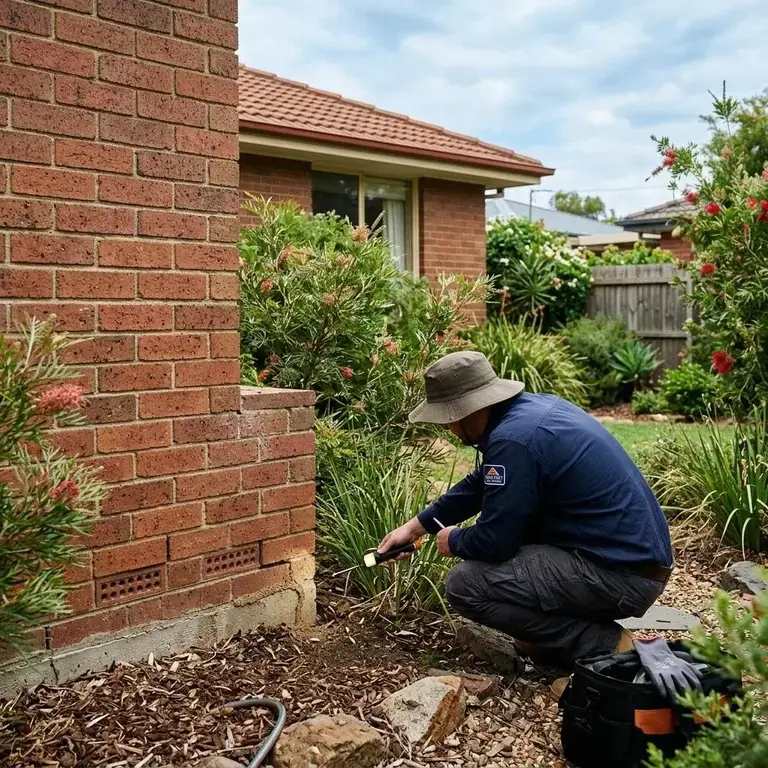
Put simply, selling house termites disclosure means being upfront about any known past or present termite activity and backing it up with treatment records, repair receipts and a current inspection report. Whether you’re selling a Queenslander in Brisbane, a brick veneer in Melbourne or a slab-on-ground home in Perth, buyers will almost always commission their own building and pest report — so the smart move is to control the narrative with a clean paper trail. A licensed pest control inspection before you list is the foundation of that strategy.
- Selling house termites history is legal nationwide, but concealing known damage can trigger misrepresentation claims under the Australian Consumer Law after settlement.
- Disclosure obligations differ by state — Victoria’s Section 32 and South Australia’s Form 1 require material facts to be declared, while NSW, QLD and WA lean on buyer-beware rules that still prohibit active concealment.
- A current termite inspection and clearance report, plus AS 3660 treatment certificates, turns a red flag into proof of a well-managed property.
- Standard home insurance excludes gradual termite damage, so buyers will scrutinise repair documentation closely.
- Budget roughly $250–$450 for a pre-sale inspection and $2,000–$5,000+ if a new barrier or treatment is needed before listing.
Why selling house termites history matters in the Australian market
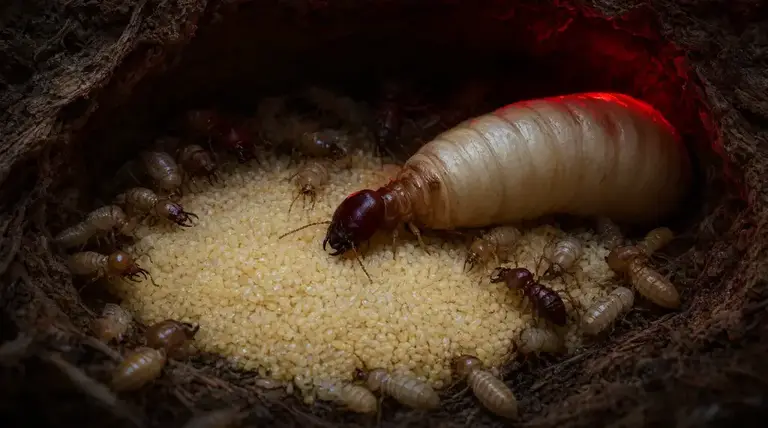
Termites are a genuine national risk, and Australian buyers — and their inspectors — treat any termite history seriously. Australia’s warm, humid climate, particularly across Queensland, northern NSW and the Top End, supports aggressive species like Coptotermes acinaciformis, which causes the bulk of structural damage in Australian homes. Even in cooler southern states, subterranean termites remain active year-round.
Housing style shapes the risk profile. Older Queenslanders on stumps offer easy subfloor access for termites and buyers know it. Brick veneer homes on concrete slabs — the dominant build type in new estates — can hide mud leads around slab edges and weep holes. Homes with timber subfloors, garden beds against walls or poor drainage attract extra scrutiny during pre-purchase inspections. Because the burden of discovery usually falls on the buyer’s inspector, almost every purchaser commissions a report. Understanding what a thorough termite inspection includes and why it matters helps you anticipate exactly what will be found before the buyer does.
Warning signs buyers and inspectors look for
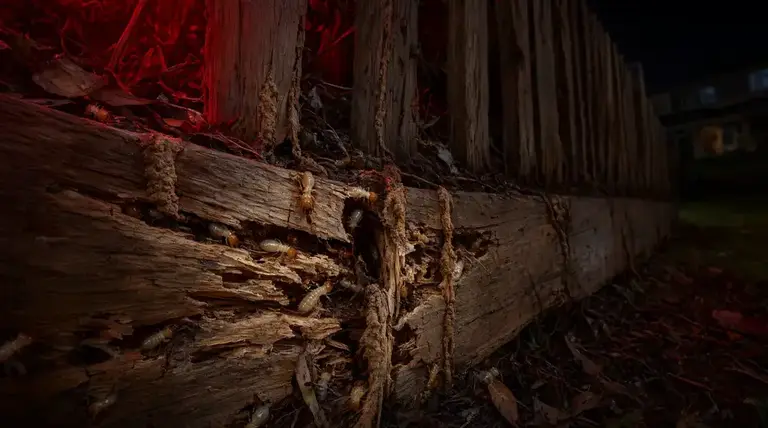
The quickest way a sale falls over is a buyer’s inspector finding live activity or concealed damage you didn’t mention. Before you list, walk your property and check for these common red flags — our detailed guide to the warning signs of termites in Australian homes covers each in depth:
- Mud tubes or leads: Pencil-width earthen tunnels on foundations, piers, walls or in the subfloor — a sign of active subterranean termites.
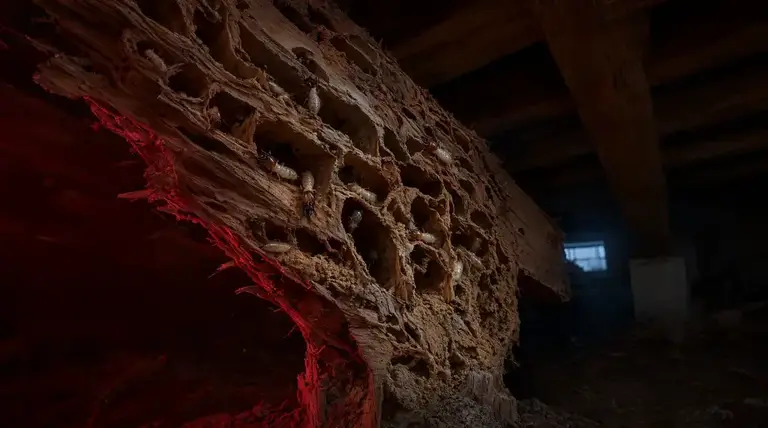
- Hollow-sounding timber: Skirting boards, door frames and floorboards that sound papery or crumble when tapped.
- Discarded wings: Piles of papery wings near windowsills or light fittings after an alate (flying termite) swarm, typically in spring and summer.
- Buckling paint or plaster: Blistered, rippled or water-stain-like patches caused by tunnelling behind surfaces.
- Tight-fitting doors and windows: Warped frames caused by termite moisture and internal tunnelling.
- Frass (droppings): Fine, sand-like pellets near skirtings or in roof voids, more typical of drywood termites.
- Sagging floors or ceilings: Evidence of advanced structural damage — a serious disclosure issue.
- Patched or painted-over areas: Cosmetic cover-ups are exactly what inspectors flag and what can expose you to misrepresentation claims.
If you spot any of these, arrange professional termite inspections and reports before going to market — not after the buyer finds them.
DIY checks vs professional pest control: what sellers actually need
DIY checks are useful for your own awareness, but they carry no weight with buyers, solicitors or inspectors. Only a report from a licensed pest control technician is accepted as credible evidence in a sale negotiation, and chemical treatments must legally be carried out by licensed operators using APVMA-registered products.
| Factor | DIY approach | Professional pest control |
|---|---|---|
| Detection | Visual check of accessible areas only; hidden activity easily missed | Moisture meters, thermal imaging and trained inspection of subfloor, roof void and slab edges |
| Documentation | No formal record; worthless to buyers | Written report to AS 3660.2 standard — accepted by conveyancers and buyers |
| Treatment | Hardware-store sprays kill surface termites only and can scatter the colony | Licensed application of registered chemicals, barriers or baiting with warranty certificates |
| Legal risk | Cover-ups or failed DIY fixes can support misrepresentation claims | Certified paperwork demonstrates honest disclosure and proper remediation |
| Cost | Cheap upfront, expensive if the sale collapses | Modest fee that typically protects far more in sale price |
Costs of pre-sale termite work in Australia (2025–26)
Across the Australian market, sellers typically spend anywhere from a few hundred to a few thousand dollars getting termite-ready for market, depending on whether treatment or repairs are needed. Below are the typical industry rates charged across Australia — actual market quotes vary with property size, construction type and the extent of activity.
| Service | Typical market rate (AUD) | What’s included / notes |
|---|---|---|
| Pre-sale termite inspection & report | $250–$450 is the typical Australian market rate | Full inspection to AS 3660.2 with written clearance or findings report for buyers |
| Spot treatment of localised activity | $300–$800 is the typical Australian market rate | Direct chemical treatment of an identified nest or workings by a licensed technician |
| Chemical soil barrier installation | $2,000–$5,000 is the typical Australian market rate | Trench-and-treat perimeter barrier with certificate; learn more in our guide to what a termite barrier is and how it protects your home |
| Termite baiting & monitoring system | Typical market rates are $1,800–$4,000 installed, plus $300–$600/year monitoring | Stations around the perimeter; transferable service records reassure buyers |
| Structural timber repairs | $1,500–$10,000+ is the typical Australian market rate | Builder or carpenter replacement of damaged bearers, joists or frames with certification |
| Ongoing barrier management | Typical market rates start from $250/year | Annual inspections; see our termite treatment and barrier systems for long-term protection options |
These figures reflect what the Australian industry generally charges — and Aussie Pest Strike typically comes in well under these market rates while delivering the same licensed, standards-compliant work. For an exact quote tailored to your property, give us a call on [aps_phone] today.
Seasonal termite activity across Australia
Termites are active year-round in Australia, but visible swarming and inspection detections peak in the warm, humid months from October to March. Flying alates swarm after rain and warm evenings, which is when many homeowners — and buyers’ inspectors — first notice a problem. In tropical Queensland and the NT the season runs longer; in cooler southern states activity dips over winter but never stops entirely.
Jan
Feb
Mar
Apr
May
Jun
Jul
Aug
Sep
Oct
Nov
Dec
Indicative relative termite activity across Australia. Swarming and detections peak from late spring through summer; activity persists year-round, especially in northern states. If you’re listing between October and March, expect buyers’ inspectors to be especially vigilant.
How to sell confidently with termite history
The most effective strategy is a complete, upfront disclosure pack. Rather than fielding questions piecemeal, assemble a single folder for prospective buyers containing the original pest report that identified the problem, the treatment proposal and invoice, any AS 3660.2-compliant barrier or bait certificate, structural repair receipts and, ideally, a recent clearance inspection dated within the last few months.
Keep every record — treatment invoices and warranty certificates carry real weight. Repair properly, with damaged structural timber replaced and certified rather than cosmetically patched. And be upfront: disclosing treated history builds trust and dramatically reduces the risk of a collapsed sale after the buyer’s own report. Buyers frequently ask whether past damage was claimable on insurance — standard policies exclude gradual termite damage, so having a straight answer ready helps. A well-documented history often reassures buyers more than a home with no records at all, because it proves the risk was found and professionally managed. For active protection going forward, our termite treatment and barrier systems page explains the options a new owner can inherit.
After twenty years inspecting homes, I can tell you the sales that fall over aren’t the ones with termite history — they’re the ones where the seller tried to hide it. A fresh clearance report and a folder of treatment certificates turns nervous buyers into confident ones. Get the inspection done before you list, not after the buyer’s inspector calls.
Book a licensed termite inspection 4–8 weeks before listing. If activity is found, treat it through a licensed pest control operator, complete certified repairs, and compile the full disclosure pack. Never patch or paint over damage — the legal and financial risk of concealment far outweighs the cost of doing it properly.
Frequently Asked Questions
Is it legal to sell a house with a termite history in Australia?
Yes, selling a house with termite history is legal across Australia. However, you cannot actively conceal a known problem, and disclosure obligations differ by state. Victoria's Section 32 and South Australia's Form 1 require material facts to be declared, while NSW, QLD and WA lean on buyer-beware rules that still prohibit active concealment. Concealing known damage can trigger misrepresentation claims under the Australian Consumer Law after settlement.
What should be included in a disclosure pack when selling a house with termites?
Assemble a single folder for prospective buyers containing the original pest report that identified the problem, the treatment proposal and invoice, any AS 3660.2-compliant barrier or bait certificate, structural repair receipts and, ideally, a recent clearance inspection dated within the last few months.
Do buyers always get their own building and pest inspection?
Almost every purchaser commissions their own building and pest report, because the burden of discovery usually falls on the buyer's inspector. This means any live activity or concealed damage you didn't mention is likely to be found before settlement. The smart move is to control the narrative by arranging your own licensed inspection before listing so you know exactly what will be found.
Why does a pre-sale termite inspection matter more than a DIY check?
DIY checks are useful for your own awareness but carry no weight with buyers, solicitors or inspectors. Only a report from a licensed pest control technician is accepted as credible evidence in a sale negotiation. Professional inspections use moisture meters, thermal imaging and trained inspection of the subfloor, roof void and slab edges, and produce written reports to AS 3660.2 that conveyancers and buyers accept.
Can I treat termites myself before selling my house?
No. Chemical treatments must legally be carried out by licensed operators using APVMA-registered products. Hardware-store sprays kill only surface termites and can scatter the colony, making the problem harder to detect later. Cover-ups or failed DIY fixes can also support misrepresentation claims after settlement, whereas certified paperwork from a licensed technician demonstrates honest disclosure and proper remediation to buyers.
Does home coverage cover termite damage when selling a house?
Proper documentation of professional treatment and certified structural repairs reassures buyers that the property's termite history has been well managed. The practical next step is to note the signs, inspect the relevant area carefully, and seek property-specific advice if the issue continues.
How does season affect selling a house with termite history?
Termites are active year-round in Australia, but visible swarming and inspection detections peak from October to March, when flying alates swarm after rain and warm evenings. In tropical Queensland and the NT the season runs longer, while cooler southern states see activity dip over winter without stopping entirely. If you're listing between October and March, expect buyers' inspectors to be especially vigilant.
Which Australian homes attract the most scrutiny over termite risk?
Housing style shapes the risk profile. Older Queenslanders on stumps offer easy subfloor access for termites, while brick veneer homes on concrete slabs can hide mud leads around slab edges and weep holes. Homes with timber subfloors, garden beds against walls or poor drainage attract extra scrutiny during pre-purchase inspections. Species like Coptotermes acinaciformis cause the bulk of structural damage nationally.
How can Aussie Pest Strike help me prepare my house for sale with termite history?
Aussie Pest Strike can help you build the disclosure strategy this article describes: arranging a licensed pre-sale inspection to AS 3660.2, treating any active findings with registered products, installing or certifying barriers where needed, and providing the written reports and certificates buyers and conveyancers expect. Getting an exact quote tailored to your property is the practical first step before listing.
What is the first step if I find warning signs of termites before listing my house?
If you spot mud tubes, hollow-sounding timber, discarded wings or buckling paint before going to market, arrange professional termite inspections and reports straight away — not after the buyer finds them. Aussie Pest Strike can inspect the property, document any activity, and recommend appropriate treatment or repairs so you enter negotiations with a clean paper trail rather than a surprise discovered during the buyer's inspection.
Sources & further reading
Found Something
Dangerous?
Don’t touch it. Don’t spray it. Keep kids and pets clear, take a photo from a safe distance, and call us — or book a free inspection and we’ll come to you.
02 7235 0050