Termites in Furniture: HowThey Get Thereand What to Do
Termites in furniture arrive via soil or infested timber. Learn the signs, the frass to look for, and the safe steps to take. Book a free inspection today.
Finding termites in furniture is one of the most common ways Australian homeowners first realise they have a problem — and one of the most urgent. A termite-infested bookshelf, wardrobe or antique chair is rarely an isolated issue; it’s often a warning flare for a colony already working through your walls or subfloor. Whether you’re in a Queenslander on stumps, a brick veneer on a slab, or a unit in the suburbs, timber furniture sitting against walls or floors is prime territory.
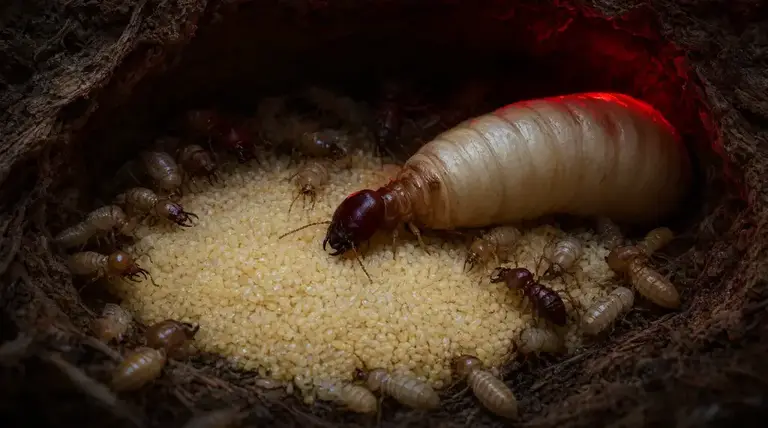
Termites in furniture are active timber pests — either subterranean species tunnelling up from the soil into a piece, or drywood termites living entirely inside dry timber — and they will keep eating until the timber is structurally compromised. The good news: with fast action and the right pest control approach, most infestations can be contained before they spread. This guide covers how termites get into furniture, the warning signs, what treatment costs in 2025–26, and when to call a licensed technician.
- Termites reach furniture two ways: subterranean termites bridge up from infested walls or floors, or drywood termites arrive inside second-hand or imported timber.
- Key signs are tiny six-sided frass pellets, pin-sized kick-out holes, a hollow papery sound when tapped, and mud packed into joints.
- Never spray surface insecticide — it kills a few workers and drives the colony deeper into your home.
- Professional treatment typically costs $250–$650 for a single item, but a full inspection is essential to check whether the house itself is infested.
- Valuable or antique pieces can often be saved through fumigation or heat treatment; cheap items are usually cheaper to replace.
Why termites in furniture are such a big problem across Australia
Australia has some of the most aggressive termite species on earth, and our climate and housing styles make furniture an easy target. Warm, humid conditions across Queensland, New South Wales and the northern coastline keep subterranean colonies active for most of the year, while even southern states see heavy foraging through spring and summer.
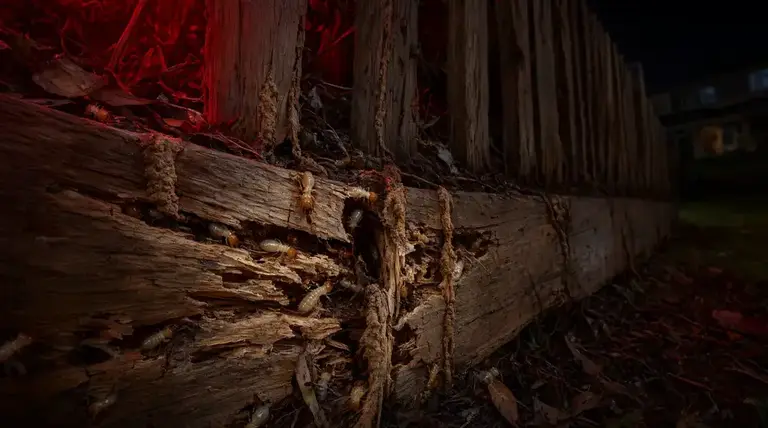
Housing construction plays a major role. Queenslanders and older weatherboard homes on stumps have abundant subfloor timber and hidden voids, giving Coptotermes — Australia’s most destructive genus — covered runways into skirting boards and anything pressed against them. Slab-on-ground brick veneer homes aren’t immune either: termites enter through slab cracks, plumbing penetrations and weep holes, then travel up inside wall cavities. A wardrobe or bookcase sitting flush against that wall becomes an extension of the colony’s feeding zone.
The financial stakes are high. Termite damage is excluded from standard home insurance policies across Australia, and industry estimates consistently put repair bills in the thousands once structural timber is involved. That’s why discovering termites in furniture should always trigger a wider check of the property — our guide to the 10 warning signs of termites in Australian homes is a good place to start cross-checking. Understanding what termite damage looks like elsewhere in the home helps you judge how far the problem has spread.
Warning signs of termites in furniture
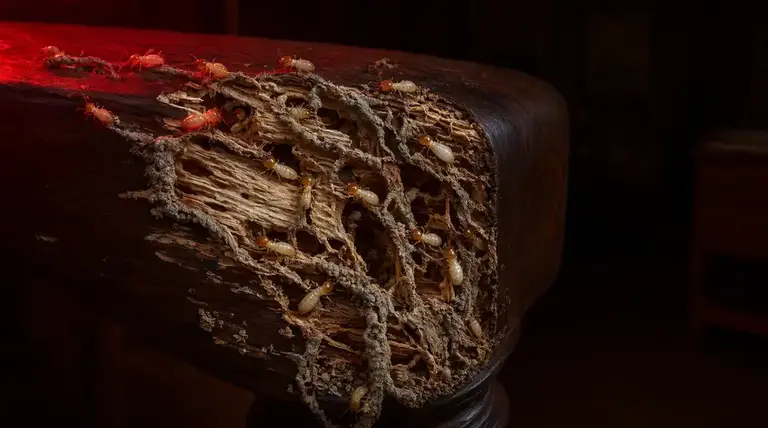
The clearest signs of termites in furniture are frass pellets, pin-holes, hollow-sounding timber, mud in joints and blistered surfaces. Any one of these warrants immediate action — don’t wait for all five.
- Frass pellets: Drywood termites push out tiny six-sided droppings roughly 1 mm long that gather in small mounds beneath or beside the piece. This is the single most distinctive clue.
- Hollow sound: Tap the timber with your knuckle or a screwdriver handle. Galleried wood sounds papery, thin and hollow compared to solid sections.
- Pin-holes: Small round kick-out holes about 1–2 mm across on the surface, where drywood termites eject frass from their galleries.
- Mud in joints: Damp soil packed into crevices, drawer runners or leg joints points to subterranean termites, which must maintain moisture contact with the ground.
- Blistered veneer: Surfaces that bubble, peel or feel soft as galleries widen directly underneath the skin of the timber.
These clues overlap heavily with structural attack, so if you spot them on a piece of furniture, inspect the nearest skirting boards, door frames and floorboards as well.
DIY vs professional treatment for furniture termites
DIY options for termites in furniture are limited to isolation, identification and monitoring — actual eradication almost always requires a licensed pest control technician. The wrong DIY move, especially spraying surface insecticide, scatters the colony and makes professional treatment harder and more expensive.
| Factor | DIY approach | Professional treatment |
|---|---|---|
| Species identification | Guesswork from photos; easy to confuse drywood and subterranean signs | Confirmed on site; frass, mud and gallery patterns identify the culprit |
| Scope of treatment | Only the visible piece; colony untouched | Whole-property assessment; nest and entry points targeted |
| Risk of spread | High — sprays drive termites into walls and floors | Low — dusts, foams and baits transfer back to the colony |
| Antique/valuable items | Risk of timber damage from hardware-store products | Controlled fumigation or heat treatment preserves the piece |
| Long-term protection | None | Barriers and warranties available for the whole home |
If you suspect termites, the correct first steps are: move the piece away from walls and ideally outdoors, photograph any frass or holes to help the technician identify the species, and book a professional inspection. Our article on termite inspections: what they include and why they matter explains exactly what the technician will check. Chemical treatments should only be applied by licensed technicians using APVMA-registered products.
How much does treating termites in furniture cost in Australia?
In 2025–26, the typical Australian market rate for professional pest control of furniture termites sits around $250–$650 per item, with whole-home inspections generally charged at $250–$400 and full colony treatments running into the thousands across the industry. Market rates vary with species, property size and construction type.
| Service | Typical market rate (AUD) | What’s included / notes |
|---|---|---|
| Termite inspection (visual + moisture meter) | $250–$400 | Full property check with written report; see our Termite Inspections & Reports |
| Single-item spot treatment (injection/dusting) | $250–$650 | Suits drywood termites confined to one piece of furniture |
| Whole-piece fumigation (antiques/valuables) | $800–$2,000+ | Item sealed and gassed off-site; best for irreplaceable pieces |
| Chemical soil barrier (whole home) | $2,500–$5,000 | Treated zone around the perimeter; see Termite Treatment & Barrier Systems |
| Baiting and monitoring system | $2,000–$4,000 installed + annual servicing | Eliminates the colony over time; ideal for subterranean species |
Remember: if subterranean termites are involved, treating the furniture alone achieves nothing while the nest under or beside your home stays alive. Our explainer on what a termite barrier is and how it protects your home covers the long-term defence options.
These figures reflect what the pest control industry generally charges across Australia — not what you’ll pay with us. Aussie Pest Strike typically comes in well under these market rates, so call [aps_phone] today for an exact quote tailored to your situation.
When are termites most active in Australia?
Termites forage year-round in warm Australian conditions, but activity peaks from October through March when heat and humidity drive swarming and colony expansion. Furniture infestations are most often discovered during these months, or when people move house or bring second-hand timber indoors.
Jan
Feb
Mar
Apr
May
Jun
Jul
Aug
Sep
Oct
Nov
Dec
Typical termite activity pattern across most of Australia: swarming and foraging peak in late spring and summer, easing through the cooler months but never fully stopping — especially in Queensland and northern regions.
Nine times out of ten, when a customer calls about termites in a bookshelf or wardrobe, the furniture isn’t the real problem — it’s the wall behind it. The first thing I check is whether there’s mud in the joints, because that tells me there’s a colony in the soil and the piece is just a snack on the way to the frame. Identify the species first, then treat the source, not just the symptom.
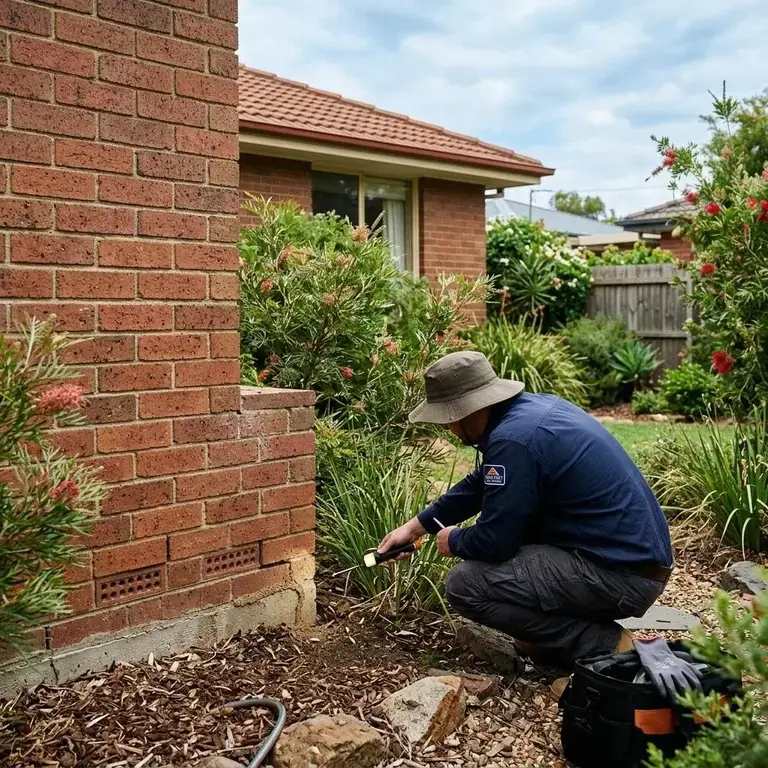
Isolate the suspect piece away from walls, photograph any frass or holes, and book a professional termite inspection before touching anything. If drywood termites are confirmed and the item is valuable, ask about fumigation or heat treatment. If subterranean termites are involved, get the whole property assessed and consider a chemical barrier or baiting system — otherwise the colony will simply find the next piece of timber.
Frequently Asked Questions
How do termites get into furniture in the first place?
Termites reach furniture by two main routes. Subterranean termites tunnel up from the soil and bridge into pieces sitting against infested walls, skirting boards or floors — the furniture is often an extension of a colony already inside the home. Drywood termites live entirely inside dry timber and typically arrive hidden within second-hand or imported wooden items brought indoors.
What are the warning signs of termites in furniture?
The clearest signs are tiny six-sided frass pellets about 1 mm long gathering beneath or beside the piece, pin-sized kick-out holes roughly 1–2 mm across on the surface, a hollow papery sound when you tap the timber, damp mud packed into joints or drawer runners, and blistered or bubbling veneer where galleries sit just under the surface. Any one of these warrants immediate action.
How can I tell whether subterranean or drywood termites are in my furniture?
Mud packed into joints, drawer runners or leg crevices points to subterranean termites, which must maintain moisture contact with the ground and usually indicate a colony in the soil nearby. Tiny six-sided frass pellets and clean kick-out holes suggest drywood termites living entirely inside the timber. A licensed technician can confirm the species on site using frass, mud and gallery patterns.
Why should I never spray insecticide directly onto termite-infested furniture?
Spraying surface insecticide kills only a few exposed workers and drives the rest of the colony deeper into your walls or floors, scattering it and making professional treatment harder and more expensive. The correct first steps are to move the piece away from walls, photograph any frass or holes for identification, and book a professional inspection before applying anything.
Can termites in furniture mean my house is also infested?
Yes — an infested bookshelf, wardrobe or chair is rarely an isolated issue. It is often a warning flare for a colony already working through wall cavities, skirting boards or the subfloor. If you spot signs on a piece of furniture, inspect the nearest skirting boards, door frames and floorboards as well, and arrange a full property inspection rather than treating the item alone.
Can valuable or antique furniture with termites be saved?
Often, yes. Valuable or antique pieces can frequently be saved through controlled fumigation or heat treatment, which preserves the item while eliminating the colony inside it. Cheap items are usually cheaper to replace than treat. A technician can assess the piece and advise which option suits its value and condition before any treatment begins.
What should I do first if I find termites in a piece of furniture?
Move the piece away from walls and ideally outdoors so it cannot act as a bridge into the home, then photograph any frass pellets or kick-out holes to help the technician identify the species. Book a professional termite inspection promptly, and avoid spraying or disturbing the timber, as this can drive termites deeper into the property.
When are termites most likely to be found in furniture?
Termites forage year-round in warm Australian conditions, but activity peaks from October through March when heat and humidity drive swarming and colony expansion. Furniture infestations are most often discovered during these months, or when people move house or bring second-hand timber items indoors, which can introduce drywood termites hidden inside the wood.
How would Aussie Pest Strike assess signs like frass, mud and hollow-sounding timber in my furniture?
A technician will inspect the piece closely, checking whether frass pellets are present, whether mud has been packed into joints or runners, and whether tapped timber sounds hollow compared with solid sections. These clues help distinguish drywood termites living inside the piece from subterranean termites bridging up from soil. Because mud in joints usually signals a colony in the ground, the assessment extends to nearby skirting boards, door frames and floorboards before treatment is recommended.
Should I book a full property inspection through Aussie Pest Strike if I find termites in one piece of furniture?
Yes. Treating the furniture alone achieves nothing if subterranean termites are involved, because the nest under or beside your home stays alive and will simply move to the next piece of timber. A full inspection checks whether the house itself is infested and identifies entry points such as slab cracks, plumbing penetrations and weep holes. Isolate the suspect piece, photograph any frass or holes, and arrange the inspection before touching anything else.
Sources & further reading
Found Something
Dangerous?
Don’t touch it. Don’t spray it. Keep kids and pets clear, take a photo from a safe distance, and call us — or book a free inspection and we’ll come to you.
02 7235 0050