Slugs andSnails: ProtectingYour Garden
Slugs and snails wrecking your garden? Learn safe, step-by-step control with pet-friendly baits and barriers for Australian gardens. Free quote available.
Slugs and snails can strip a vegetable patch overnight, rasping holes through seedlings, leafy greens and soft fruit while you sleep. If you’ve spotted silvery slime trails across your pavers or found half your lettuce gone by morning, you’re dealing with one of Australia’s most persistent garden pests — and you’ll need more than a sprinkle of salt to win. Use the checklist below, marked from a to l, to work through control step by step.
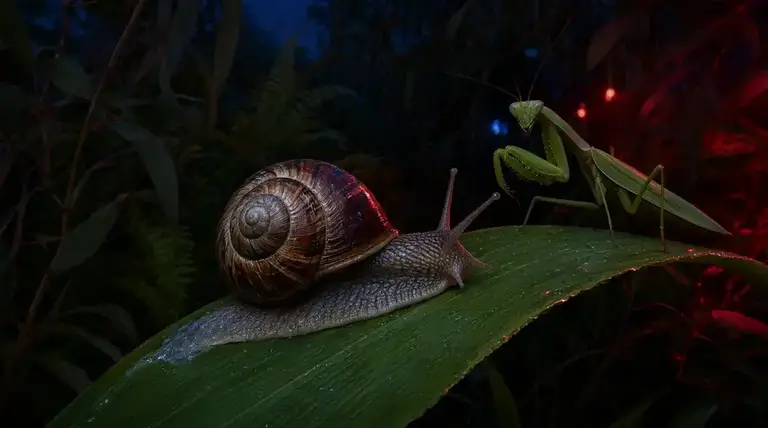
Slugs and snails are soft-bodied molluscs that feed on plant tissue at night, sheltering by day under pots, mulch, timber and dense foliage, and leaving characteristic slime trails and ragged holes in leaves. The main culprit in Australian gardens is the introduced common garden snail (Cornu aspersum), which can lay up to 400 eggs a year and thrives in the cool, wet conditions of a southern winter and spring. The good news: with moisture control, barriers and targeted baiting, you can protect your garden without nuking everything that moves.
- Slugs and snails are molluscs, not insects — most insect sprays won’t touch them, so control needs a mollusc-specific approach.
- The common garden snail (Cornu aspersum) can lay up to 400 eggs a year, and populations explode after autumn and spring rain.
- Layered control works best: reduce shelter, water in the morning, add copper barriers, trap, then bait selectively.
- Iron-based baits (iron EDTA or ferric phosphate) are far safer around pets and wildlife than older metaldehyde pellets.
- Professional garden pest treatment typically costs $150–$450 AUD and makes sense when DIY efforts keep failing.
Why Slugs and Snails Are Such a Problem Across Australia
Slugs and snails matter because they can destroy a season’s seedlings in a single night, and Australia’s climate gives them ideal breeding conditions for much of the year. Populations surge after autumn rain across Victoria, Tasmania, South Australia and coastal New South Wales, where cool, damp winters let them feed and lay eggs almost continuously.
Housing styles play a role too. Homes on concrete slabs with irrigated garden beds hard against the walls create permanently moist refuges, while older Queenslanders and subfloor homes offer cool, shaded voids where molluscs shelter by day. Well-mulched native gardens — beautiful as they are — can harbour thousands of eggs in the top few centimetres of soil. And while you’re managing snails above ground, don’t forget what’s happening below: lawn pests like those covered in our guide to lawn grubs and curl grubs often thrive in the same moist conditions. A single garden snail can travel several metres a night, so a problem in one garden bed quickly becomes a whole-yard problem.
Warning Signs: How to Confirm Slugs and Snails Are the Culprit
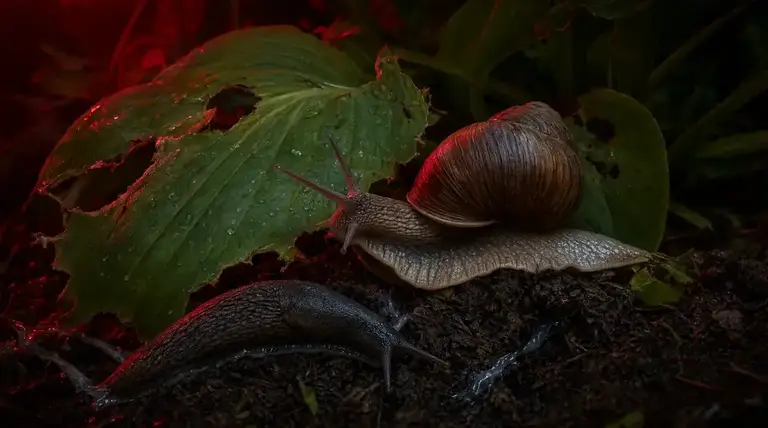
The clearest signs of slug and snail activity are silvery slime trails, smooth-edged holes in soft leaves, and damage that appears overnight. Because these pests feed after dark, you rarely catch them in the act — so you need to read the evidence they leave behind.
- Silvery slime trails: dried, glistening tracks on soil, paths, pots and leaves visible in the morning light.
- Irregular holes with smooth edges: chewed into soft leaves, seedlings, strawberries and ripening fruit — unlike the skeletonised leaves left by caterpillars or armyworm.
- Pearly egg clusters: small, translucent eggs in the top few centimetres of moist soil, under mulch or beneath pots.
- Seedlings vanishing overnight: entire rows of lettuce or brassica transplants mowed down in one feeding session.
- Daytime shelters: lift boards, bricks, pots and dense groundcover — clusters of snails hiding underneath confirm an established population.
If you’re also noticing swarms of small dark invaders after rain, check whether you’re dealing with Portuguese millipedes, which boom in the same wet conditions but need different treatment.
DIY vs Professional Slug and Snail Control
Most light to moderate infestations respond well to a disciplined DIY program, but heavy, recurring pressure — especially in large gardens or where baits alone aren’t keeping up — justifies calling a licensed pest control technician. The most reliable DIY results come from layering methods rather than relying on one fix: clear boards, bricks and debris to reduce shelter; water in the morning so soil surfaces dry by dusk; add copper tape around pots and raised beds; trap with shallow dishes of beer sunk to soil level; then bait selectively with iron-based pellets scattered thinly, always following the APVMA-approved label.
| Factor | DIY approach | Professional treatment |
|---|---|---|
| Best for | Small beds, light pressure, ongoing maintenance | Large yards, heavy infestations, recurring problems |
| Upfront cost | $20–$80 in baits, tape and traps | $150–$450 per visit |
| Effectiveness | Good with consistent effort over weeks | Fast knockdown plus whole-garden assessment |
| Safety | Safe if iron-based baits used per label | Licensed technician selects and applies products correctly |
| Scope | Molluscs only | Can bundle snails with grubs, millipedes and other garden pests |
Where your lawn is also suffering, a bundled Lawn Grub & Garden Pest Treatment often works out cheaper than tackling each pest separately.
How Much Does Slug and Snail Pest Control Cost in Australia?
Across the Australian market in 2025–26, professional slug and snail treatment generally runs between $150 and $450 AUD, depending on garden size, severity and whether it’s bundled with other pest services. DIY supplies typically sit well under $100 for most suburban gardens.
| Service | Typical market rate (AUD) | What’s included/notes |
|---|---|---|
| DIY kit (baits, copper tape, traps) | $20–$80 | Iron-based pellets, copper barrier tape, beer traps; covers a standard veggie patch |
| Single professional garden treatment | $150–$280 | Inspection, targeted baiting, harbourage advice for an average suburban block |
| Large or severe infestation treatment | $280–$450 | Acreage or heavily planted gardens; may include follow-up visit |
| Bundled garden pest program | $300–$600/year | Seasonal visits covering snails, grubs, millipedes and other outdoor pests |
These are typical industry rates across Australia — actual quotes vary by region and property layout, with subfloor access, steep blocks and dense landscaping all adding time. Always ask for an itemised quote before work begins.
Here’s the good news: Aussie Pest Strike typically comes in well under these market rates. For an exact quote tailored to your property, give us a call on [aps_phone] today.
Seasonal Activity: When Slugs and Snails Peak in Australia
Slug and snail activity peaks through the cool, wet months — late autumn, winter and spring in southern Australia — and drops sharply during hot, dry summers. In tropical northern regions, activity instead follows the wet season from November to March.
Jan
Feb
Mar
Apr
May
Jun
Jul
Aug
Sep
Oct
Nov
Dec
Typical slug and snail activity across southern Australia (Vic, Tas, SA, coastal NSW): pressure builds with autumn rain, peaks through winter and early spring, then falls away as summer heat dries the soil surface.
Use this pattern to time your defences. Protect seedlings hardest during the wettest weeks — ring individual plants with copper collars or cut-down bottle cloches, and harden transplants off so they outgrow damage faster. Wherever possible, schedule planting so tender crops establish during a drier spell, because molluscs feed far less when the soil surface dries between waterings.
“Nine times out of ten, a snail problem is really a moisture and shelter problem. Fix the overwatering and clear the hiding spots first, and the baiting actually works. Skip that step and you’ll be buying pellets forever.”
Start with habitat control and morning watering this week, add copper barriers around your most vulnerable beds, and use iron-based bait thinly and per the label. If numbers haven’t dropped noticeably within three to four weeks — or your whole yard is under pressure — book a professional assessment. A licensed technician can treat the molluscs and check for companion pests like curl grubs and millipedes in the same visit.
Frequently Asked Questions
How do I know if slugs and snails are damaging my garden?
Look for silvery slime trails on soil, paths, pots and leaves in the morning light, and irregular holes with smooth edges chewed into soft leaves, seedlings, strawberries and ripening fruit. Other signs include pearly translucent egg clusters in the top few centimetres of moist soil, entire rows of seedlings vanishing overnight, and clusters of snails sheltering under boards, bricks, pots or dense groundcover during the day.
Why don't regular insect sprays work on slugs and snails?
Slugs and snails are molluscs, not insects, so most insect sprays simply won't affect them. Control needs a mollusc-specific approach: reduce shelter such as boards and debris, water in the morning so surfaces dry by dusk, add copper barriers around pots and beds, trap with beer dishes sunk to soil level, and bait selectively with iron-based pellets applied thinly according to the APVMA-approved label.
Which slug and snail baits are safest around pets and wildlife?
Iron-based baits containing iron EDTA or ferric phosphate are far safer around pets and wildlife than older metaldehyde pellets. Whichever product you choose, scatter the pellets thinly rather than in piles, and always follow the APVMA-approved label directions. Bait selectively after you have reduced moisture and cleared hiding spots, because baiting works far better once habitat conditions are under control.
When are slugs and snails most active in Australia?
In southern Australia, including Victoria, Tasmania, South Australia and coastal New South Wales, activity peaks through late autumn, winter and spring, surging after autumn rain and dropping sharply as hot, dry summer weather dries the soil surface. In tropical northern regions, activity instead follows the wet season from November to March. Time your defences to protect seedlings hardest during the wettest weeks.
How can I make my garden less attractive to slugs and snails?
Focus on moisture and shelter. Clear boards, bricks, pots and debris where molluscs hide by day, and water in the morning so soil surfaces dry by dusk. Avoid overwatering and dense mulch against vulnerable beds, since mulch can harbour thousands of eggs in the top few centimetres of soil. Schedule tender crops to establish during a drier spell, because molluscs feed far less when the surface dries between waterings.
Do copper barriers actually stop slugs and snails?
Copper barriers are part of a layered control program recommended for protecting vulnerable plants. Add copper tape around pots and raised beds, and ring individual seedlings with copper collars or cut-down bottle cloches during the wettest weeks. Barriers work best alongside habitat control, morning watering, trapping with shallow beer dishes, and selective iron-based baiting, rather than as a standalone fix.
When should I call a professional for slugs and snails?
Most light to moderate infestations respond well to a disciplined DIY program, but heavy, recurring pressure justifies calling a licensed pest control technician. This is especially true in large gardens or where baits alone aren't keeping up. If numbers haven't dropped noticeably within three to four weeks of consistent effort, or your whole yard is under pressure, book a professional assessment that can also check for companion pests like curl grubs and millipedes.
What is the common garden snail and why does it spread so quickly?
The main culprit in Australian gardens is the introduced common garden snail (Cornu aspersum), a soft-bodied mollusc that feeds on plant tissue at night and shelters by day under pots, mulch, timber and dense foliage. A single snail can lay up to 400 eggs a year and travel several metres each night, so populations explode after autumn and spring rain and a problem in one bed quickly becomes a whole-yard problem.
How can Aussie Pest Strike help me plan my next steps against slugs and snails?
Aussie Pest Strike can assess your garden's moisture, shelter and planting layout, then recommend a layered plan covering habitat control, copper barriers, trapping and selective iron-based baiting suited to your seasonal pressure. A technician can also identify whether companion pests such as curl grubs or Portuguese millipedes are thriving in the same damp conditions, so your treatment program addresses every pest present rather than just the visible damage.
Should I get a garden assessment before starting slug and snail treatment?
A property-specific assessment is a sensible first step if damage keeps returning despite your own efforts. Aussie Pest Strike technicians can inspect beds, mulch layers, subfloor voids and irrigated areas hard against walls to find where molluscs are breeding and sheltering by day. That inspection shapes a targeted treatment plan and timing around peak activity, and lets you bundle snail control with checks for other garden pests in one visit.
Sources & further reading
Found Something
Dangerous?
Don’t touch it. Don’t spray it. Keep kids and pets clear, take a photo from a safe distance, and call us — or book a free inspection and we’ll come to you.
02 7235 0050