Do MattressEncasements Work forBed Bugs?
Do mattress encasements work for bed bugs? Yes, as part of a plan. See how a bed bug mattress cover traps and prevents bugs, and its limits. Book a free quote.
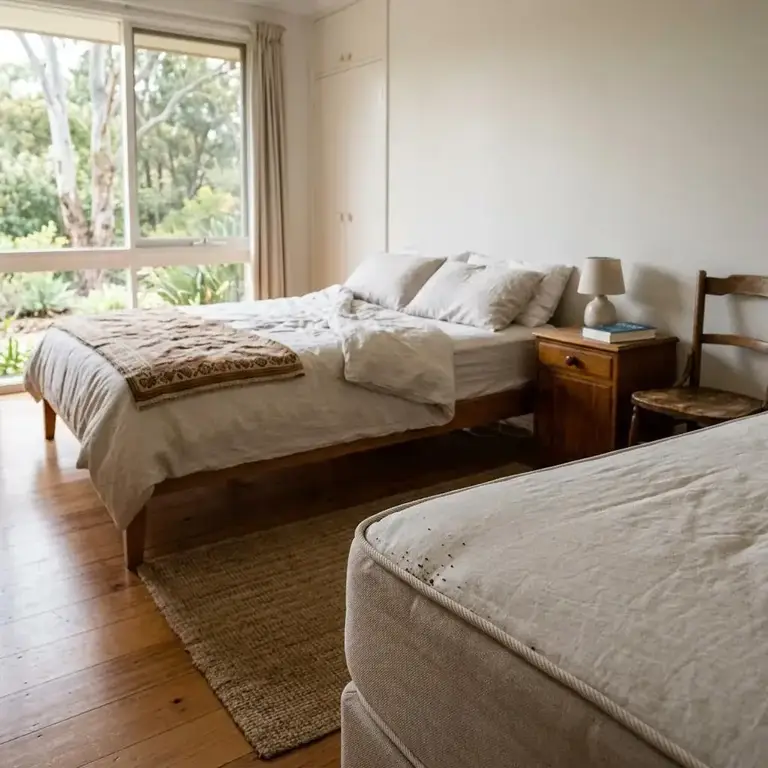
Do mattress encasements work for bed bugs? The short answer is yes — a quality encasement genuinely works, but only as one part of a wider treatment plan, never as a cure on its own. Across Australia, from humid Queenslander homes in Brisbane to brick-veneer units in Melbourne’s suburbs, bed bugs are a growing pest control problem, and a properly fitted mattress cover is one of the most useful tools a household can add. Put simply: a bed bug mattress encasement is a fully zippered, bite-proof cover that seals the mattress or base, trapping bugs inside so they starve and stopping new bugs from harbouring in the mattress.
What an encasement cannot do is eliminate an infestation by itself. Bed bugs don’t only live in mattresses — they shelter in bed frames, skirting boards, bedside tables, curtain folds and carpet edges. Understanding how bed bugs actually spread (and how they don’t) makes it clear why sealing one item of furniture never finishes the job. This article explains exactly what a mattress encasement can and can’t do, what to buy, how long to leave it on, what it costs in Australia in 2025–26, and when you need a licensed technician instead.
- Mattress encasements work by trapping bugs and eggs inside the mattress so they starve, and by removing the seams and tufts new bugs would otherwise hide in.
- A true bed bug encasement must have a bite-proof zippered seal, a zip-end flap or lock, and fabric tough enough to last 12+ months without tearing.
- Leave the cover sealed for at least 12 months — encased adults can survive many months without a blood meal.
- Encasements are a containment and monitoring tool, not a treatment; frame, skirting and furniture bugs still need professional work.
- Fit encasements before or during professional treatment for the best containment benefit, and encase the base as well as the mattress.
Why bed bugs are a real problem across Australia
Bed bugs are a genuine, Australia-wide pest issue because they hitchhike between homes through luggage, second-hand furniture and shared walls — no climate zone is immune. Warmer northern states see faster breeding cycles, while cooler southern cities still report steady infestations because central heating keeps bedrooms comfortable for bugs all year.
Housing style plays a role too. Older Queenslanders on stumps have plenty of wall and floor gaps where bugs can harbour; brick-veneer homes on concrete slabs hide them behind skirting and power-point plates; and apartments and townhouses allow bugs to move between adjoining units through shared wall cavities. High-density living, frequent domestic travel and a strong market in second-hand furniture all keep bed bug pressure high in Sydney, Melbourne, Brisbane, Perth and regional centres alike. That’s why monitoring tools like encasements matter so much here — in multi-unit housing especially, early detection of a returning bug can be the difference between a spot treatment and a full-blown re-infestation.
Warning signs you need more than a mattress encasement
You need professional treatment — not just a cover — if you’re seeing live activity anywhere beyond the mattress itself. An encasement only manages what’s inside the mattress; everything below is a sign the infestation has spread into the room. Check this list before assuming a cover will solve the problem:
- Bites in lines or clusters — itchy welts appearing overnight, often in rows of two or three. See our guide to bed bug bites: identification and your first steps to confirm what you’re looking at.
- Dark faecal spots — small black or rust-coloured dots on sheets, pillowcases, the bed frame or skirting boards.
- Shed skins and eggs — translucent casings and tiny pearly eggs in frame joints, screw holes and furniture seams.
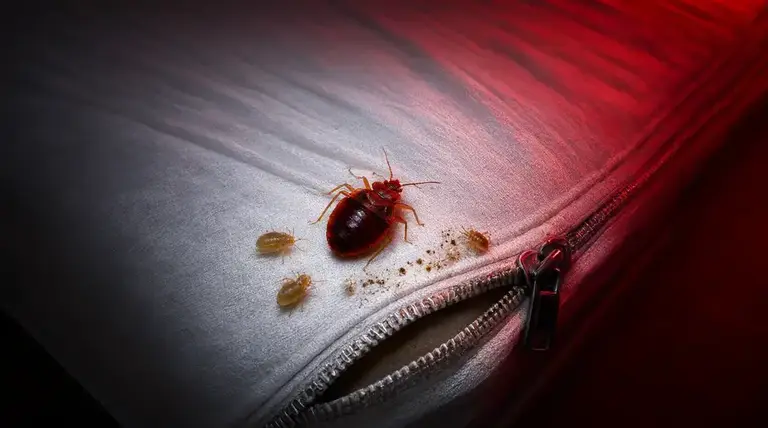
- Live bugs off the bed — apple-seed-sized, reddish-brown insects behind the headboard, in bedside drawers or along carpet edges.
- A musty, sweet odour — a noticeable smell in the room suggests a heavier, established infestation.
- Blood smears on bedding — small spots from engorged bugs crushed during sleep.
If you’re ticking more than one of these boxes, a cover on the mattress is a useful first step, but the real work is in the room itself. Our bed bug lifecycle guide explains why eggs and hidden nymphs are the reason infestations rebound.
How a mattress encasement actually works
A bed bug encasement works in two directions: it traps the bugs already inside the mattress, and it stops new bugs from getting in. Both functions matter, and both only work if the cover stays sealed and undamaged.
Trapping bugs inside. Bed bugs and eggs already living in the mattress are sealed in. Adults can survive several months without feeding, but once encased they cannot reach a host and eventually starve. The cover keeps them contained rather than crawling out to bite.
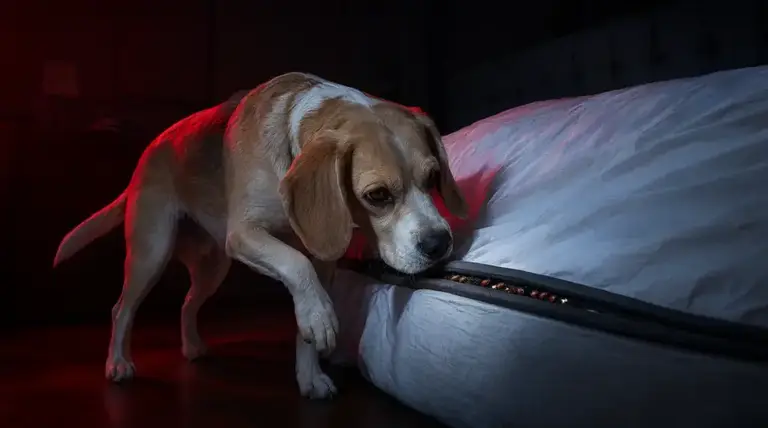
Blocking new bugs. A sealed mattress has none of the seams, tufts and tags that bed bugs love to hide in, so any survivors on the frame have nowhere to harbour on the bed itself. This also makes inspections dramatically faster — instead of probing dozens of mattress seams, you run your eye over a smooth, light-coloured cover where any bug or dark faecal spot shows up instantly. That monitoring value is a big part of why professionals recommend encasements even after a room has been treated.
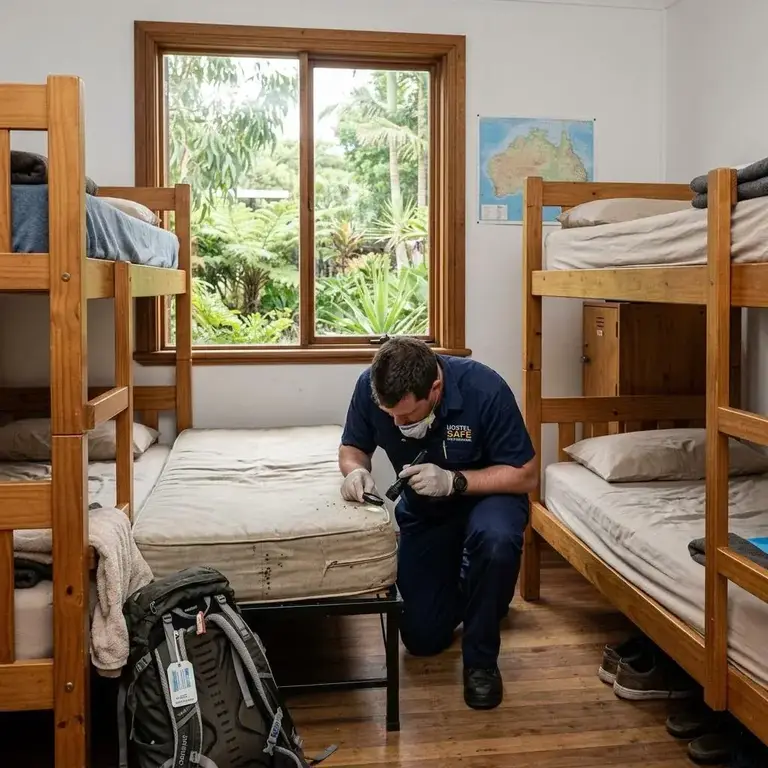
Timing matters. Fitting encasements before or during a professional treatment means bugs sealed inside are counted as dealt with, and the technician can focus on the frame, skirting and surrounds. Slipping a cover on months later still helps with monitoring, but you miss the containment benefit for the mattress population. Our bed bug treatment preparation checklist shows where encasing fits in the sequence.
DIY encasements vs professional bed bug treatment
An encasement is something you can absolutely do yourself — but it should follow or accompany professional work, not replace it. Here’s how the two approaches compare honestly:
| Factor | DIY encasement | Professional treatment |
|---|---|---|
| Upfront cost | $40–$150 per cover | $300–$1,500+ per property |
| Kills bugs in mattress | Yes — by starvation over months | Yes — heat or chemical on the day |
| Treats frame, skirting, furniture | No | Yes — whole-room approach |
| Monitoring value | Excellent — smooth cover shows bugs instantly | Follow-up inspections confirm eradication |
| Risk if done alone | Bugs persist off the mattress and rebound | Low when done by a licensed technician |
Where chemical treatments are needed, they should be applied by a licensed pest control technician using APVMA-registered products — no chemical is “100% safe” or “guaranteed”, and correct application matters as much as product choice. For a rundown of the main professional options, see bed bug treatment: heat vs chemical — which works?
What do mattress encasements and treatment cost in Australia?
Across the Australian pest control industry, a quality encasement typically retails for $40–$150, while professional treatment of a standard Australian home generally runs $300–$1,500 or more, depending on rooms affected and the method used. The figures below are typical Australian market rates for 2025–26 — what the industry generally charges, not a quote from any single provider. Actual pricing varies with property size, infestation severity and location.
| Service | Typical Australian market rate (AUD) | What’s included/notes |
|---|---|---|
| Quality mattress encasement | $40–$100 | Zippered, bite-proof seal with zip-end flap; single to king sizes |
| Base ensemble encasement | $60–$150 | Covers box base where bugs harbour just as readily |
| Inspection (often credited to treatment) | $0–$150 | Room-by-room assessment and treatment plan |
| Chemical treatment, 1–2 bedrooms | $300–$600 | Licensed application, usually 2 visits including follow-up |
| Heat treatment, whole room/home | $800–$1,500+ | Single-visit thermal eradication including eggs |
| Combined heat + chemical program | $1,000–$2,000+ | Heavy infestations, apartments or multi-room jobs |
Whatever you buy, check the label: not every “waterproof” protector qualifies. A genuine bed bug encasement needs a bite-proof zippered seal, a zip-end flap or lock to close the last gap, fabric tested for bed bug entrapment rather than just water resistance, and durability to survive 12-plus months without tearing.
Those figures are the going market rates right across Australia — and here’s the good news: Aussie Pest Strike typically comes in well under these industry rates for the same licensed, thorough and guaranteed work. Every job is different, so for an exact quote tailored to your property and the severity of the problem, call us today on [aps_phone] and we’ll sort it out.
When are bed bugs most active in Australia?
Bed bugs bite year-round indoors, but activity reports typically climb through the warmer months when breeding accelerates and travel peaks, then ease slightly through winter in cooler states. Air-conditioned and heated bedrooms mean there is no true “off season”, but the pattern below reflects typical Australian enquiry volumes:
Jan
Feb
Mar
Apr
May
Jun
Jul
Aug
Sep
Oct
Nov
Dec
Typical bed bug enquiry pattern in Australia: peaking over summer holidays and the festive travel season (December–February), dipping through winter, then building again from spring. Indoor heating keeps infestations alive all year, so winter is no excuse to drop your guard.
The biggest mistake we see is a homeowner fitting a cover and assuming the job’s done. The encasement handles the mattress beautifully — but the bugs in the bed head, the skirting and the bedside drawers keep breeding. Fit the covers early, encase the base as well, and let us treat everything the mattress isn’t.
Buy a quality bite-proof encasement for both the mattress and the base, fit them before or during professional treatment, and leave them sealed for a full 12 months, checking corners and zip ends for tears. Treat the encasement as your monitoring system — and let a licensed technician handle the rest of the room. Encasements support treatment; they rarely finish the job alone.
Frequently Asked Questions
Do mattress encasements actually work for bed bugs?
Yes, a quality encasement genuinely works — but only as one part of a wider treatment plan. A fully zippered, bite-proof cover traps bugs and eggs already inside the mattress so they starve, and removes the seams and tufts where new bugs would otherwise harbour. What it cannot do is eliminate an infestation on its own, because bed bugs also shelter in bed frames, skirting boards, bedside tables, curtain folds and carpet edges.
How does a bed bug mattress encasement work?
It works in two directions. First, it traps bugs and eggs already living inside the mattress, sealing them in so they cannot reach a host and eventually starve. Second, it blocks new bugs from getting in by removing the seams, tufts and tags they love to hide in. The smooth, light-coloured surface also makes inspections much faster, because any bug or dark faecal spot shows up instantly.
What should I look for when buying a bed bug encasement?
A genuine bed bug encasement needs a bite-proof zippered seal, a zip-end flap or lock to close the last gap, fabric tested for bed bug entrapment rather than just water resistance, and durability to survive 12 or more months without tearing. Not every product labelled waterproof qualifies as a true encasement, so check the label carefully before buying. Encase the base as well as the mattress for full benefit.
How long do I need to leave a mattress encasement on?
Leave the cover sealed for at least 12 months. Encased adult bed bugs can survive many months without a blood meal, so removing the cover early risks releasing live bugs back into the room. The cover must also stay undamaged throughout that period — tears or gaps defeat the containment function entirely, which is why durable fabric is such an important feature when choosing one.
Can a mattress encasement get rid of a bed bug infestation by itself?
No. An encasement only manages what is inside the mattress; it does nothing about bugs living elsewhere in the room. Bed bugs shelter in bed frames, skirting boards, power-point plates, carpet edges, bedside drawers and curtain folds, and those populations need professional treatment. If you are seeing live activity anywhere beyond the mattress itself, you need more than a cover to solve the problem.
When should I fit an encasement relative to professional treatment?
Fit encasements before or during a professional treatment for the best containment benefit. Bugs sealed inside the mattress at that point are counted as dealt with, allowing the technician to focus on the frame, skirting and surrounds. Slipping a cover on months later still helps with monitoring, but you miss the containment benefit for the mattress population.
What are the warning signs I need more than just a mattress cover?
Signs the infestation has spread beyond the mattress include bites appearing overnight in lines or clusters, dark faecal spots on sheets, frames or skirting boards, shed skins and pearly eggs in furniture joints, live apple-seed-sized bugs behind headboards or along carpet edges, blood smears on bedding, and a musty, sweet odour suggesting an established infestation. Ticking more than one box means the real work is in the room itself.
How much do mattress encasements cost compared with professional treatment in Australia?
A quality mattress encasement is a modest one-off purchase, typically comparable to a single professional inspection visit. Full encasement sets for a mattress and base cost more but remain far cheaper than multi-visit chemical programs or whole-room heat treatments, which involve equipment and labour. Encasements are best viewed as a low-cost supporting measure that traps existing bugs and protects the bed, rather than a replacement for treating an established infestation throughout a home.
How can Aussie Pest Strike help me plan next steps after fitting a mattress encasement?
Because an encasement only contains what is inside the mattress, Aussie Pest Strike can assess whether bugs have spread into your bed frame, skirting boards, furniture or carpet edges, then recommend the right whole-room approach. They can advise where encasing fits within a treatment preparation sequence, confirm whether chemical or heat treatment suits your situation, and tailor a plan to your property and the severity of the problem.
Should I contact Aussie Pest Strike before or after buying an encasement?
Contacting Aussie Pest Strike first can save money and frustration, since timing matters — encasements deliver their best containment value when fitted before or during professional treatment, not months afterwards. An inspection can establish how far the infestation has spread, whether the mattress alone is affected, and which encasements and treatments make sense together, so you buy the right covers and sequence the work correctly.
Sources & further reading
Found Something
Dangerous?
Don’t touch it. Don’t spray it. Keep kids and pets clear, take a photo from a safe distance, and call us — or book a free inspection and we’ll come to you.
02 7235 0050